
MVP LED / QUALITY ASSURANCE
LED Display Quality Control From Module to Shipment
Project details, module production, cabinet integration, aging, visual inspection and packing are reviewed as connected quality gates—not isolated workshop steps.
SEVEN QUALITY GATES
One Review Path From the Project Brief to Release
The inspection path follows the approved display configuration, so the application, environment and installation method remain connected to what is checked on the production floor.
 01Requirement Review
Application, dimensions, environment and service method.
 02Material Review
Project-relevant components and production details.
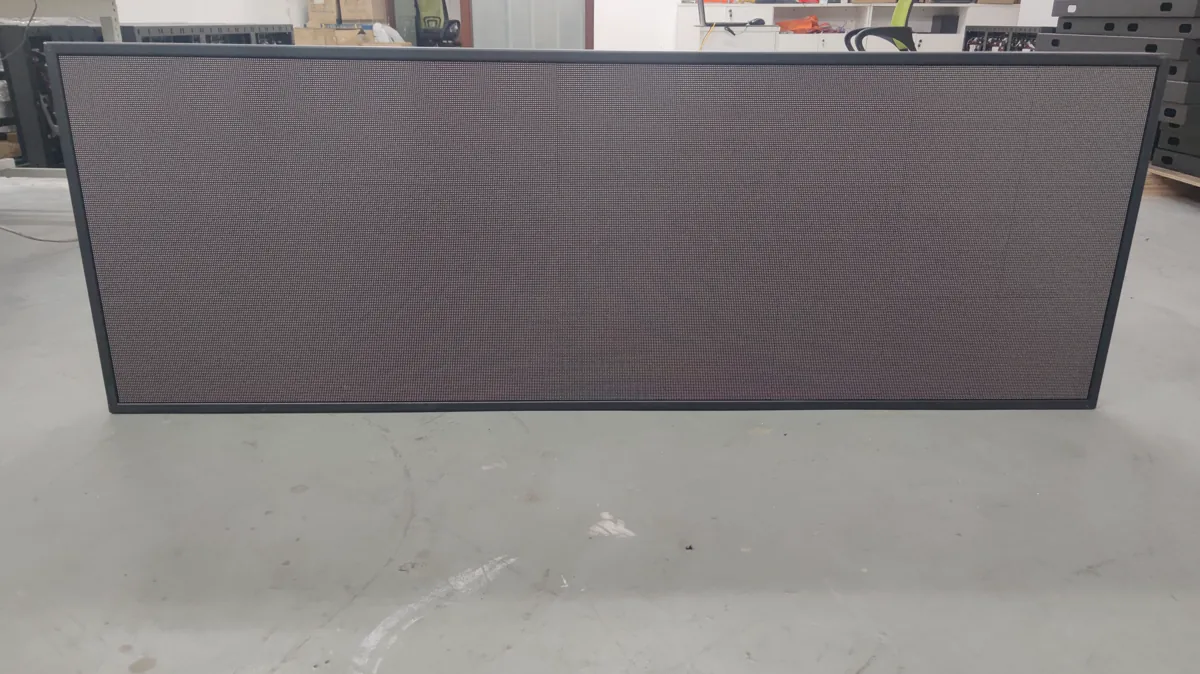
 03Module Production
Placement, handling and module-level checks.
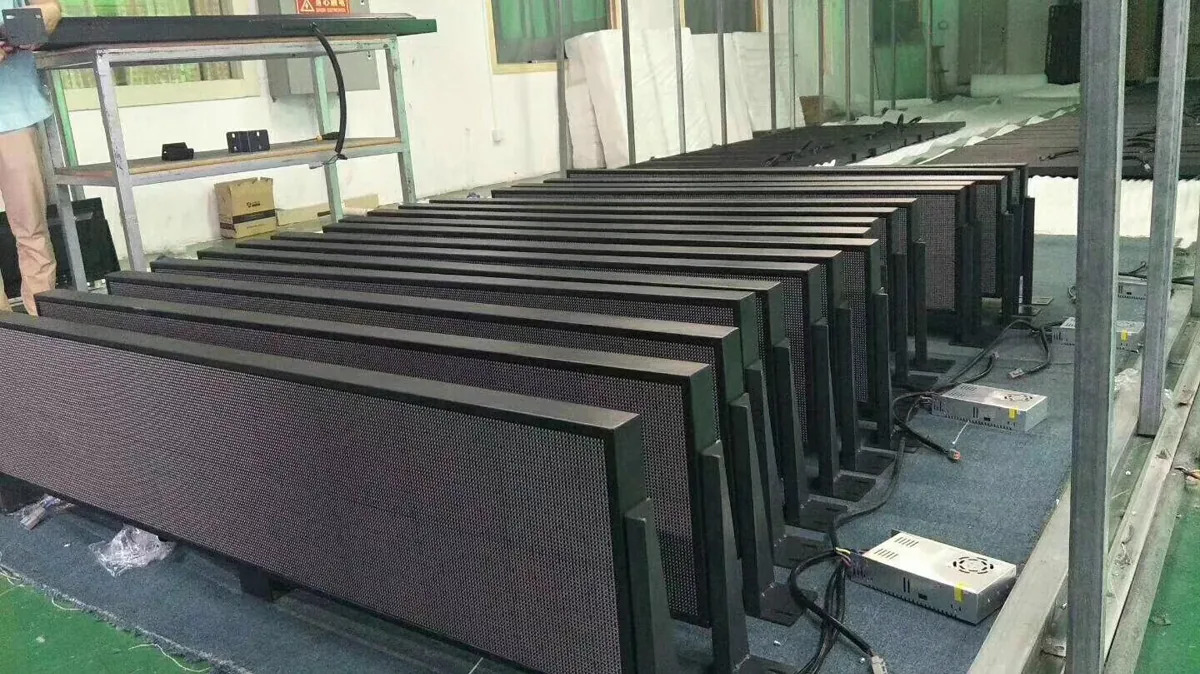
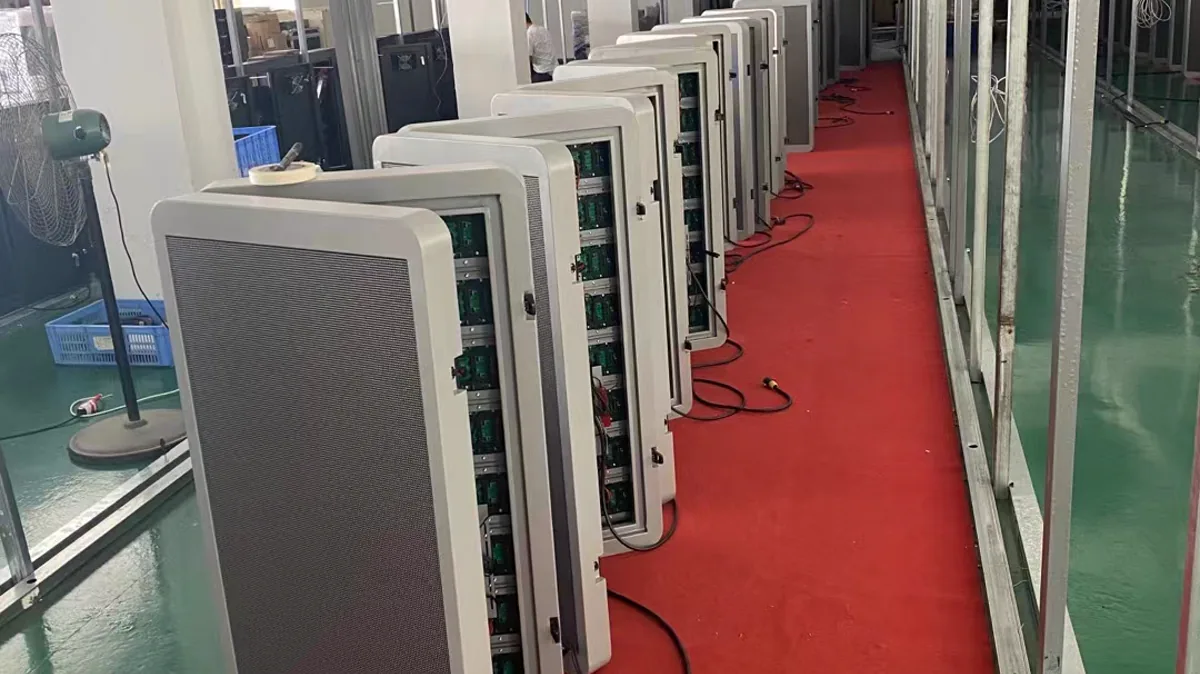 04Cabinet Integration
Modules, power, receiving hardware and cabling.
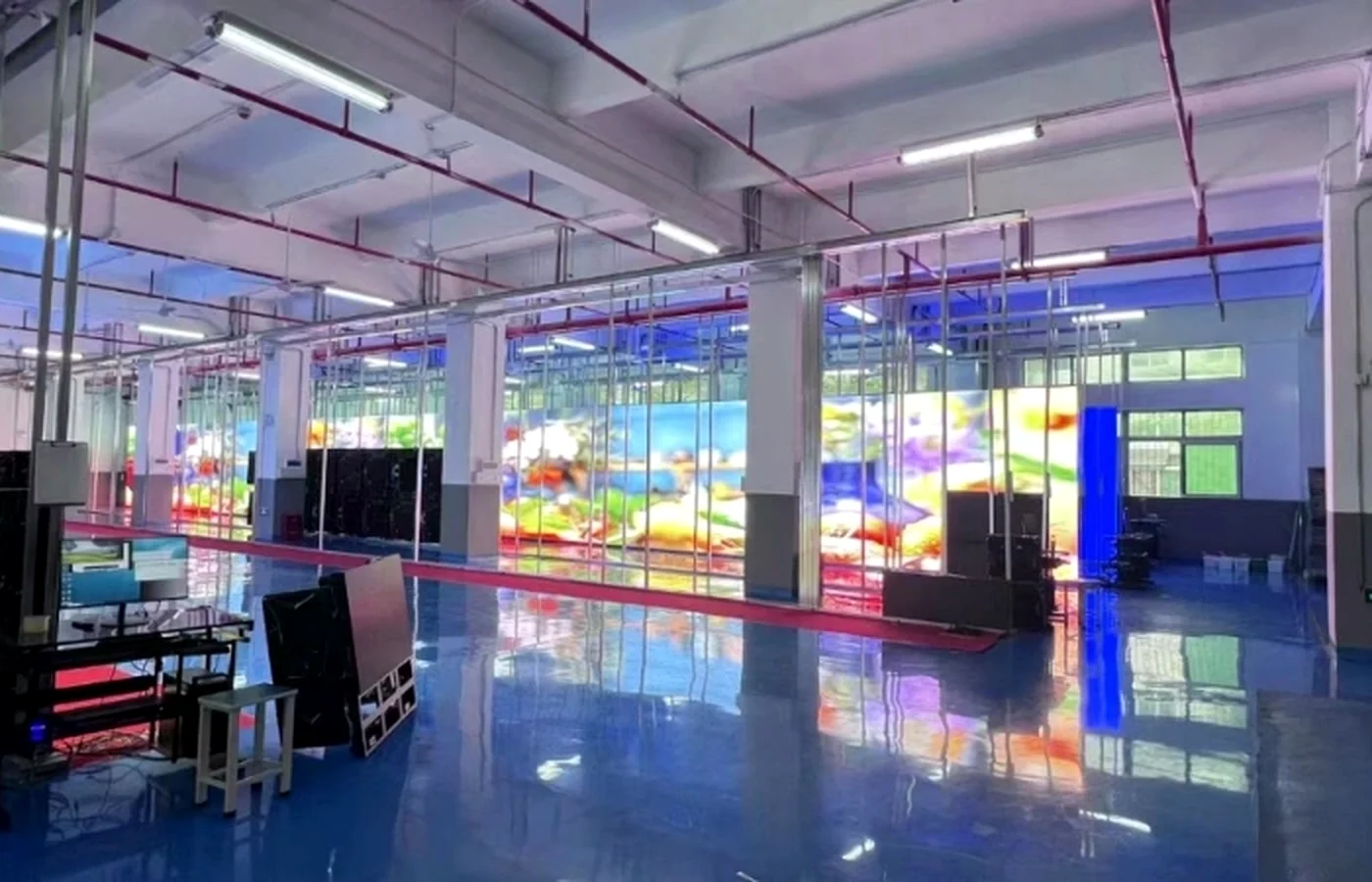 05Aging & Illumination
Stability and illuminated-surface review.
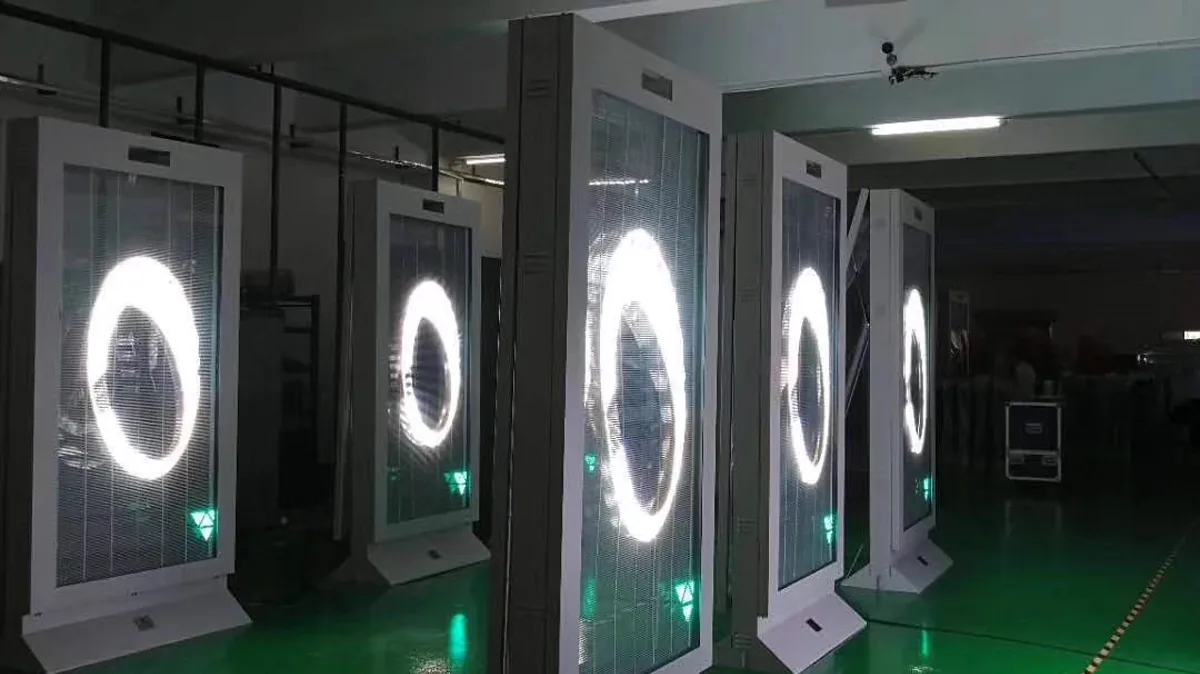 06Final Inspection
Visual, functional and mechanical review.
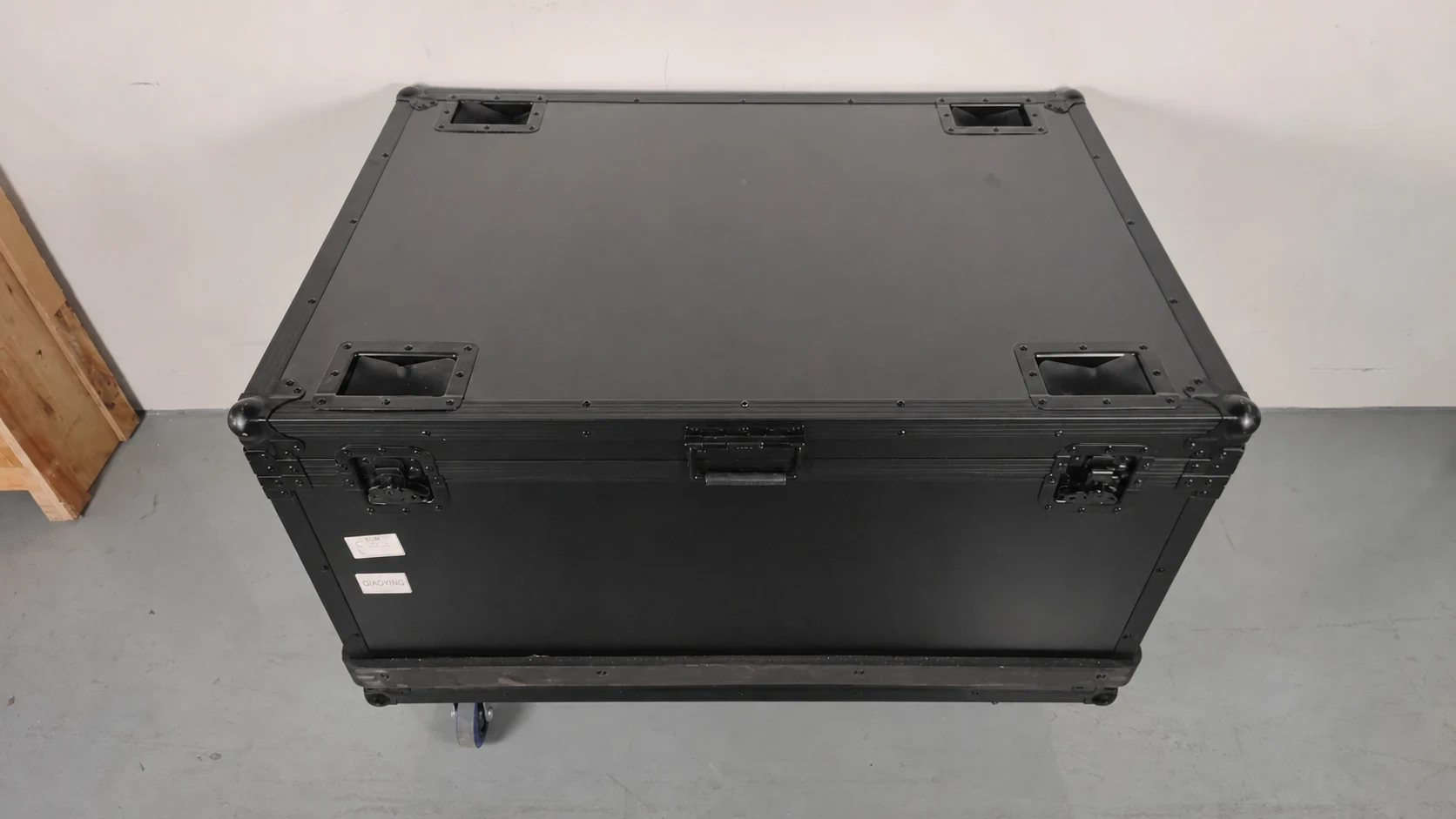 07Packing Release
Protection, identification and shipment preparation.
BEFORE PRODUCTION
Confirm What the Display Must Do Before Building It
Quality control starts with the approved project details. The display type, pixel pitch, dimensions, viewing conditions, installation method, maintenance access and delivery requirements are reviewed before production begins.
Application & Environment
Indoor, outdoor, rental or special-format use changes the protection, structure and service requirements.
Display Configuration
Pixel pitch, cabinet dimensions, viewing distance and content use are checked against the project brief.
Installation & Service
Mounting, front or rear access, cable paths and site constraints are clarified before release to production.
Packing & Delivery
Destination, transport method, installation schedule and packaging responsibility are confirmed early.
DURING PRODUCTION
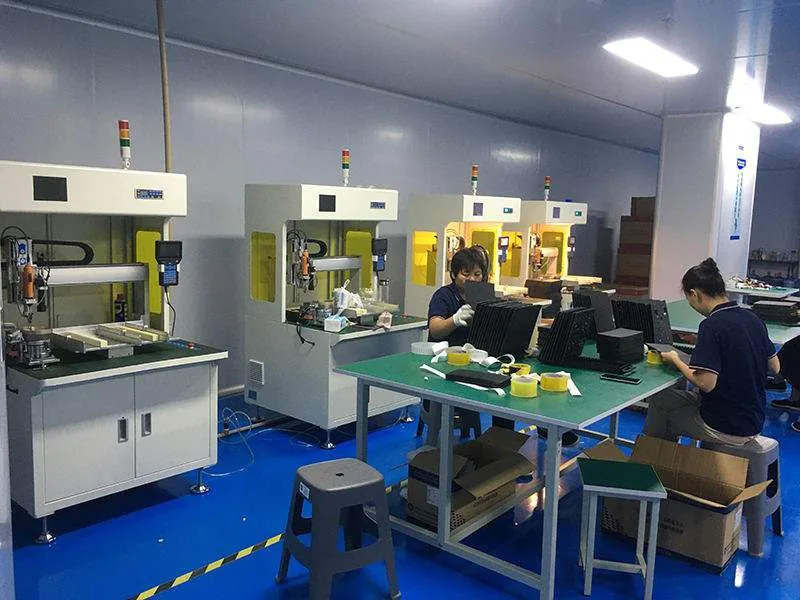
Inspect the Module and Cabinet as the System Takes Shape
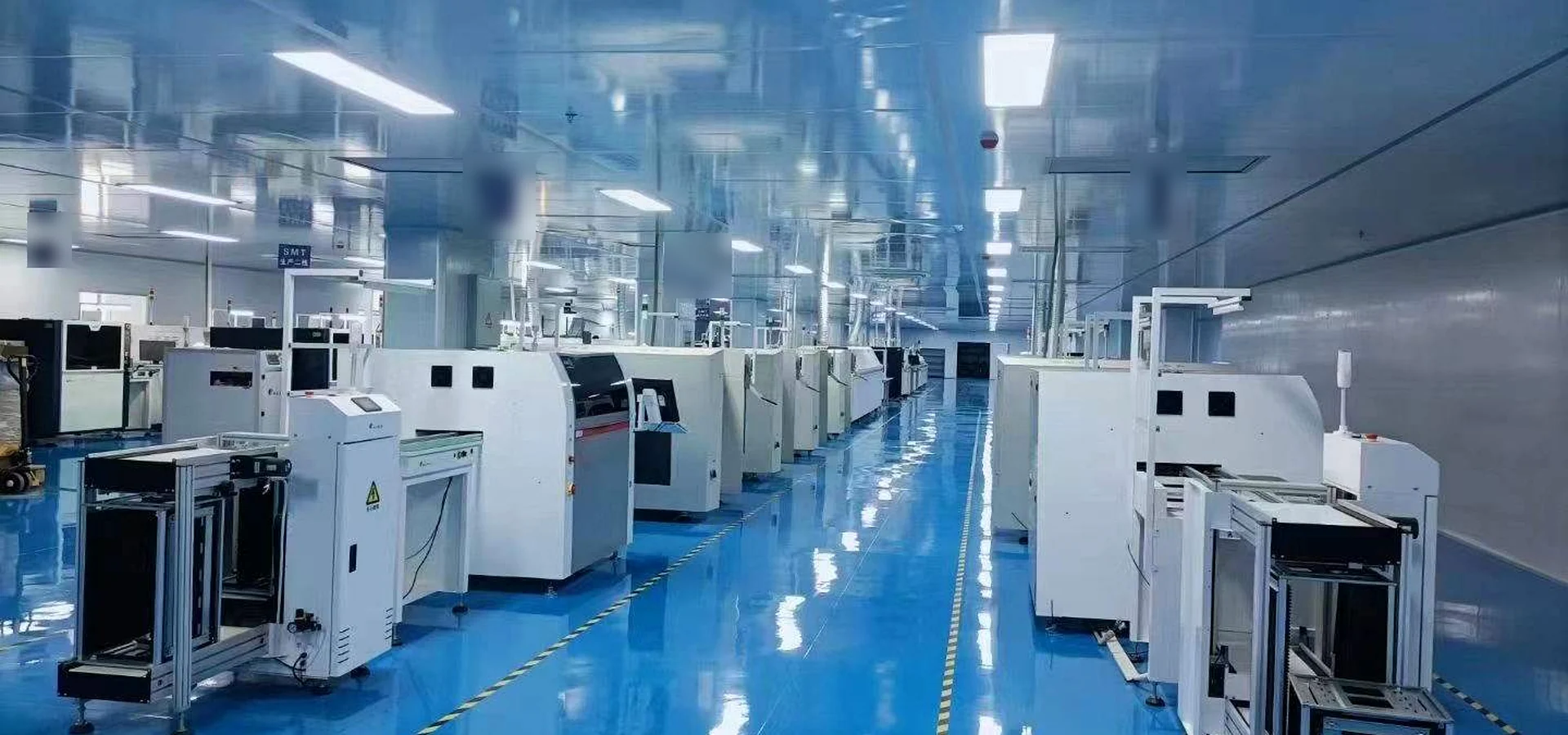
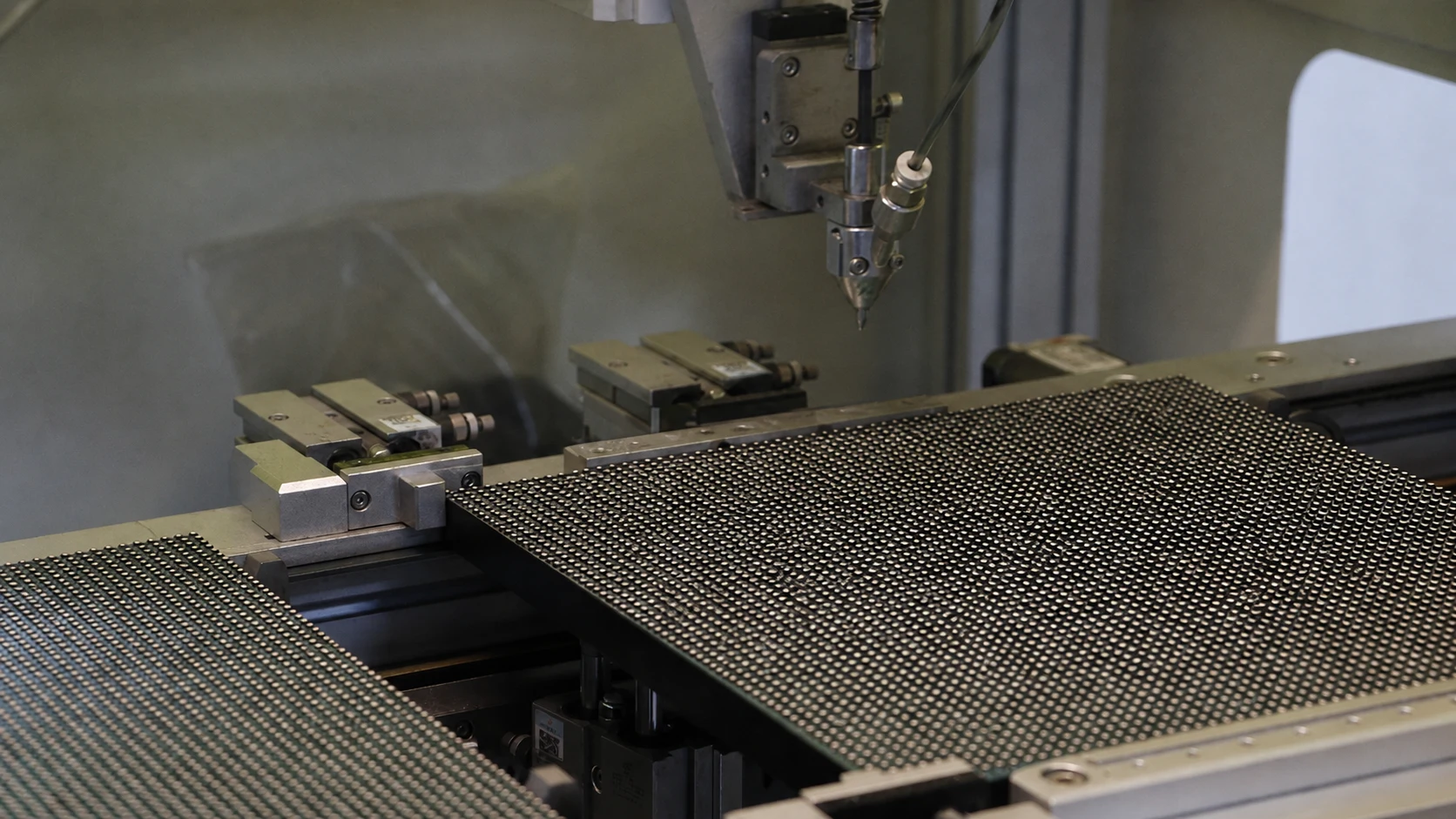
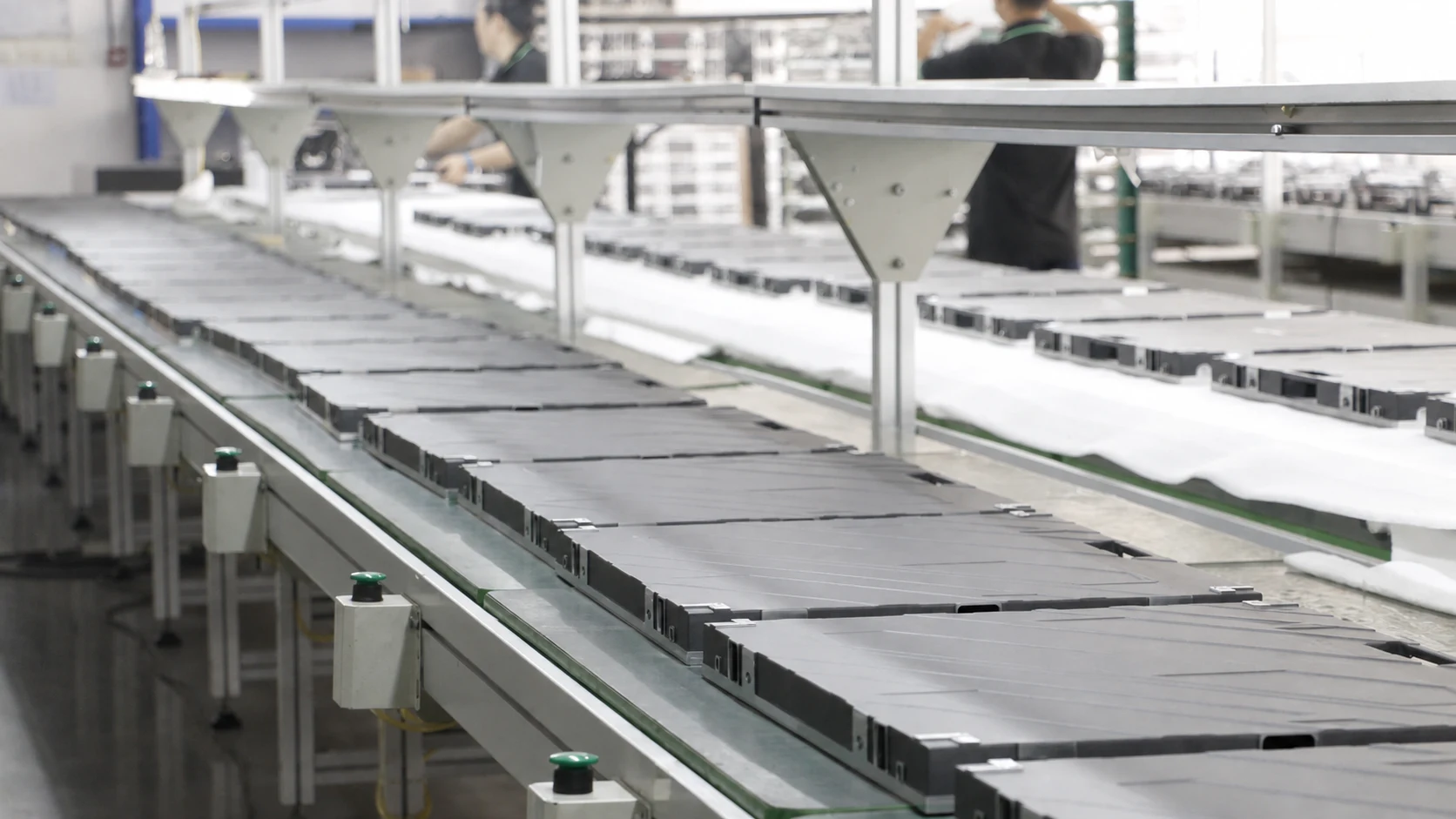
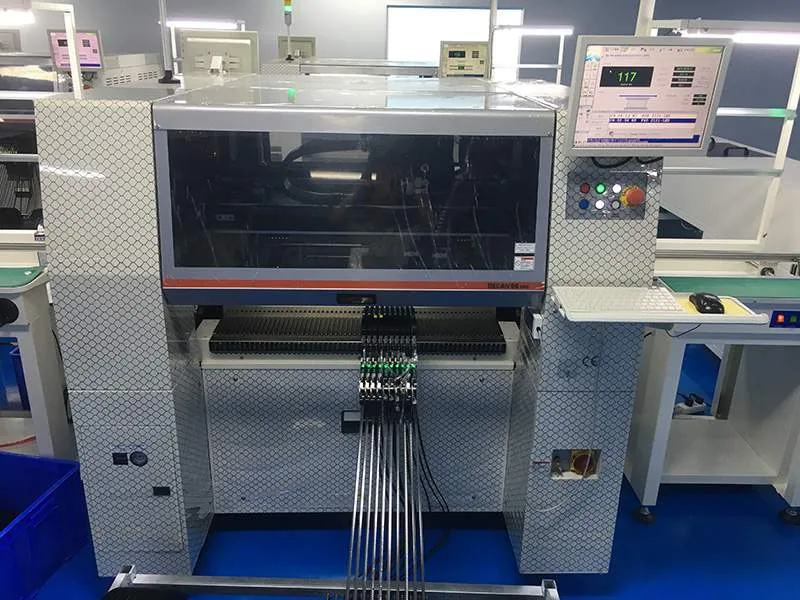
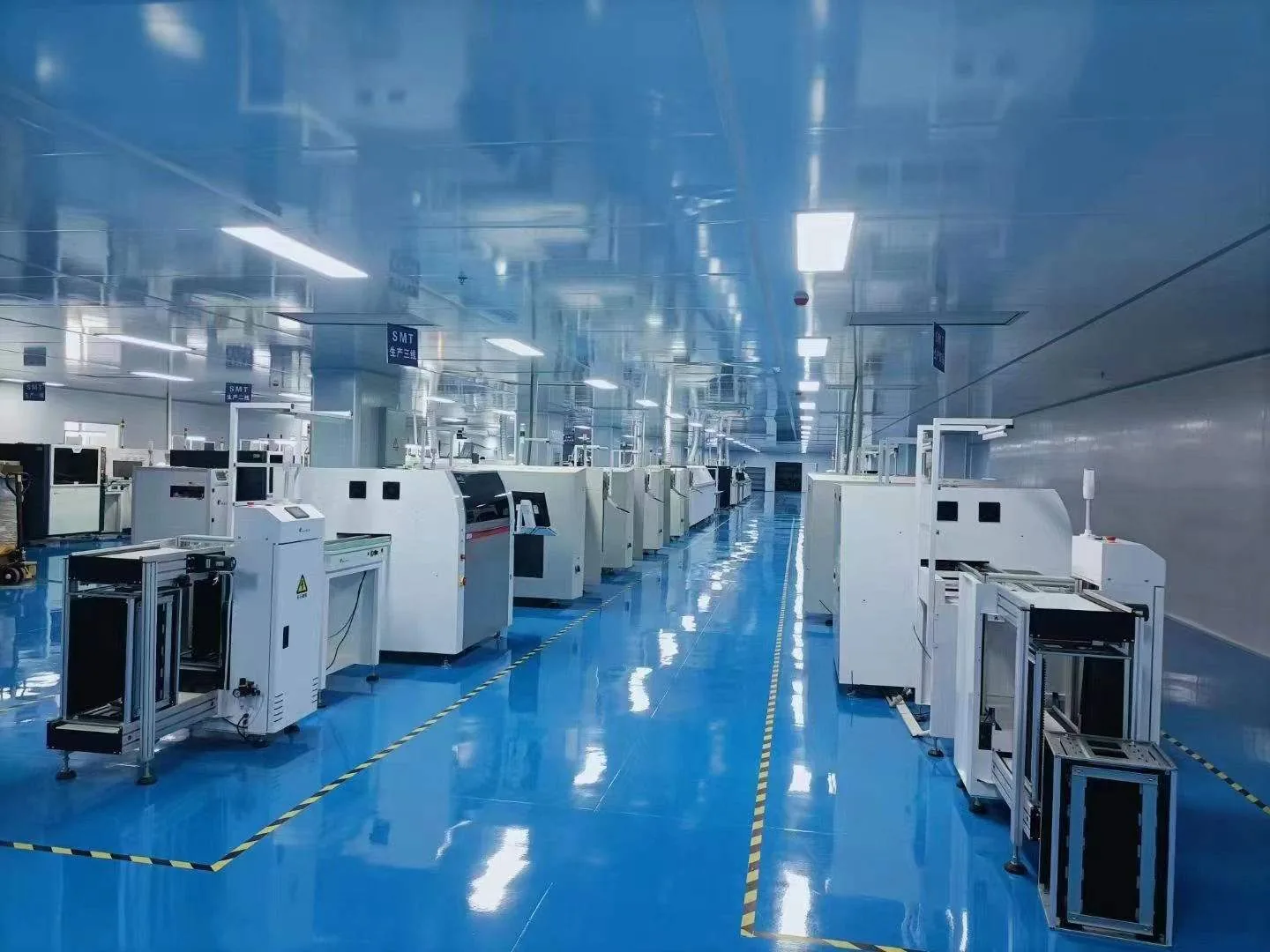
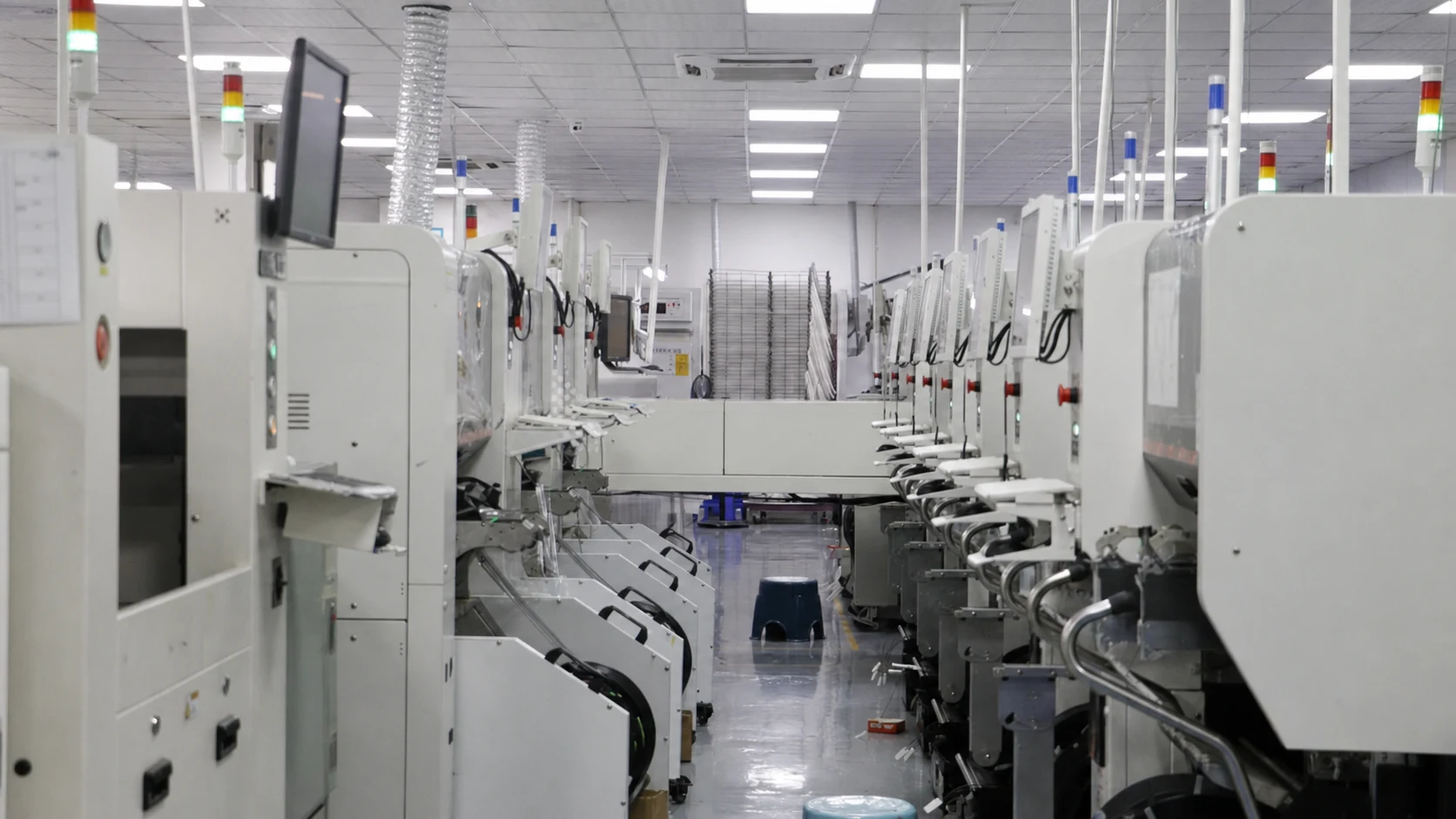
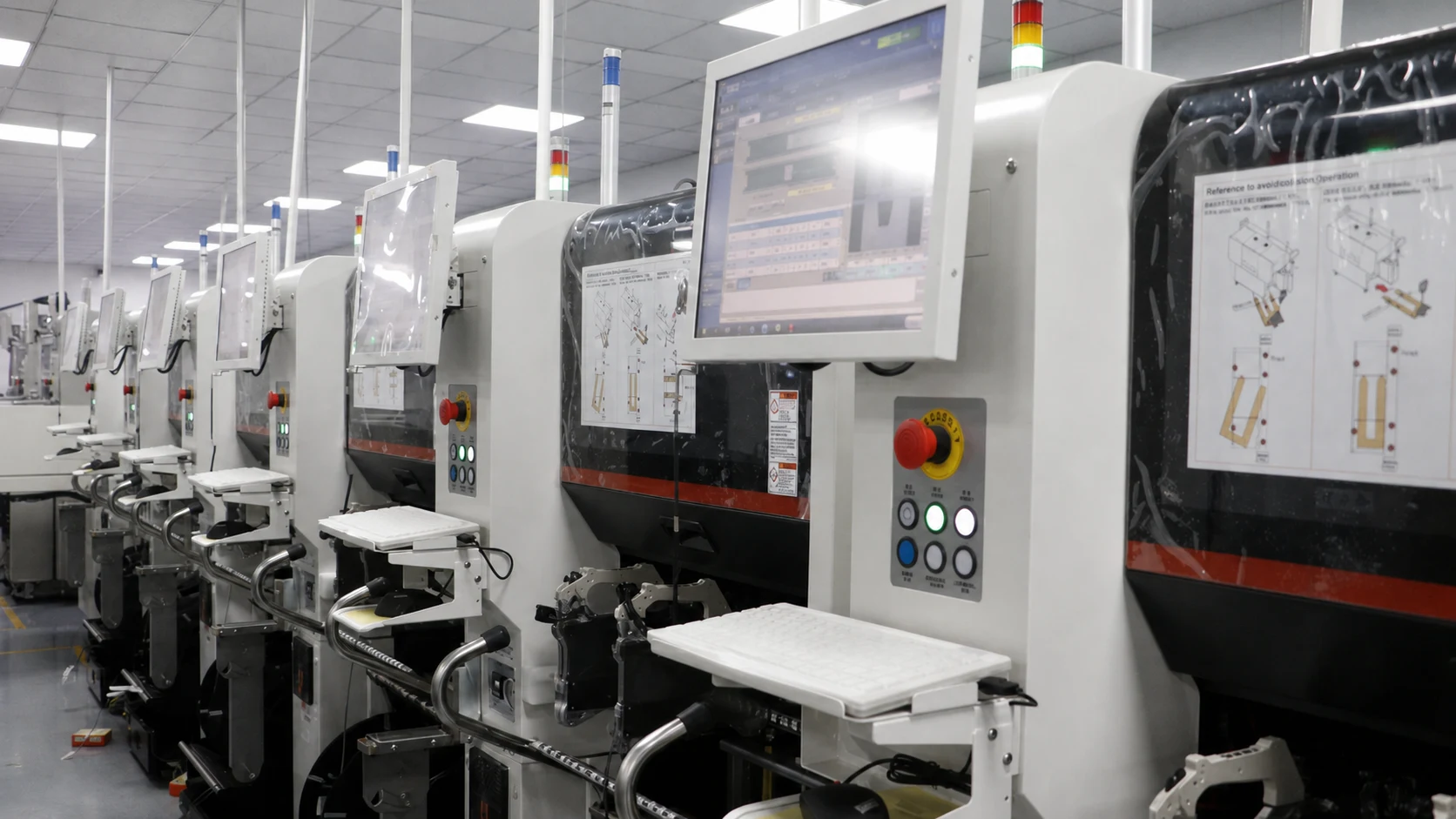
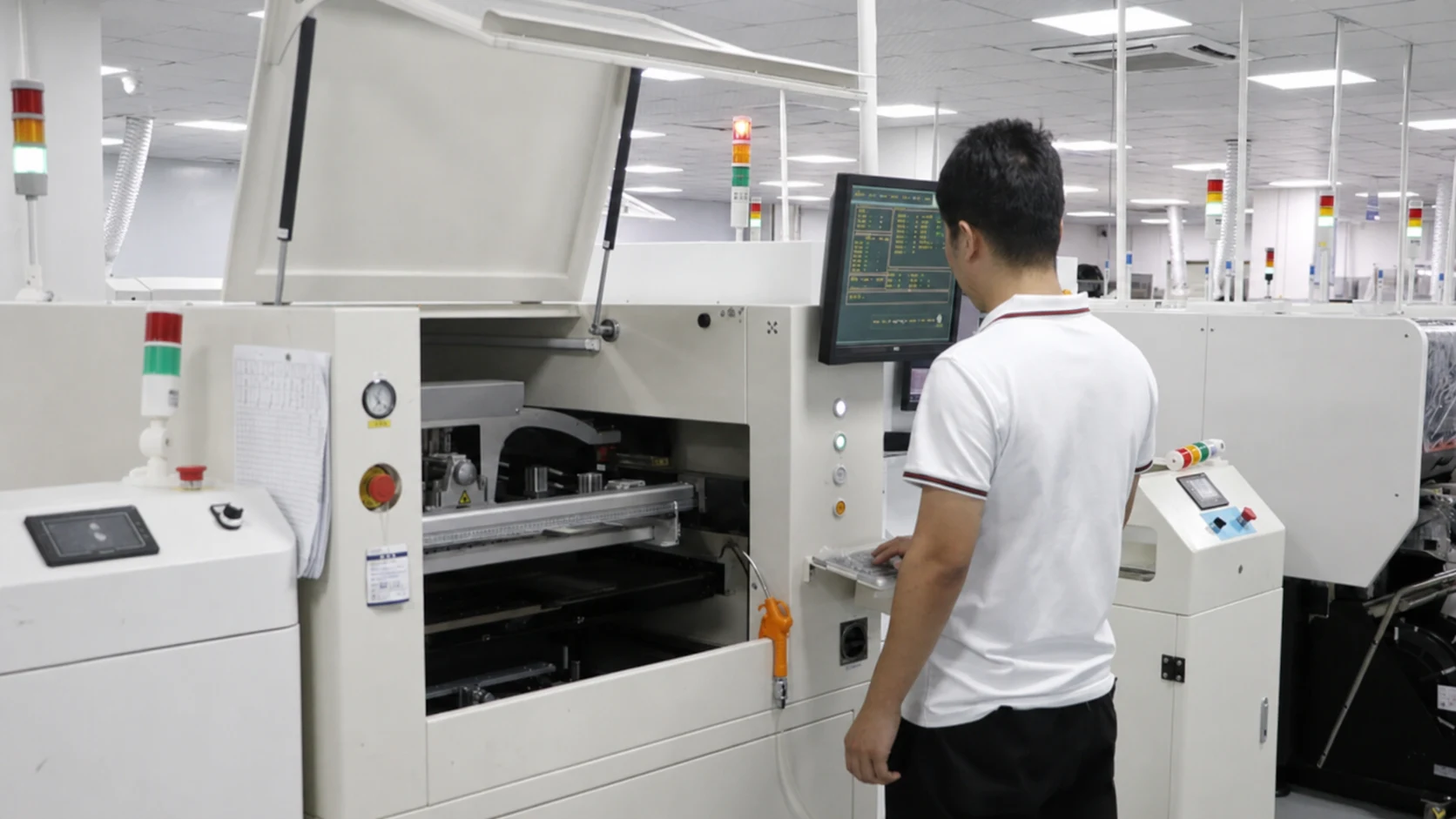
Production equipment matters, but the quality target is the finished LED system. Module handling, component integration, power and data connections, cabinet assembly and illuminated output are reviewed together.
TWO-STAGE AGING REVIEW
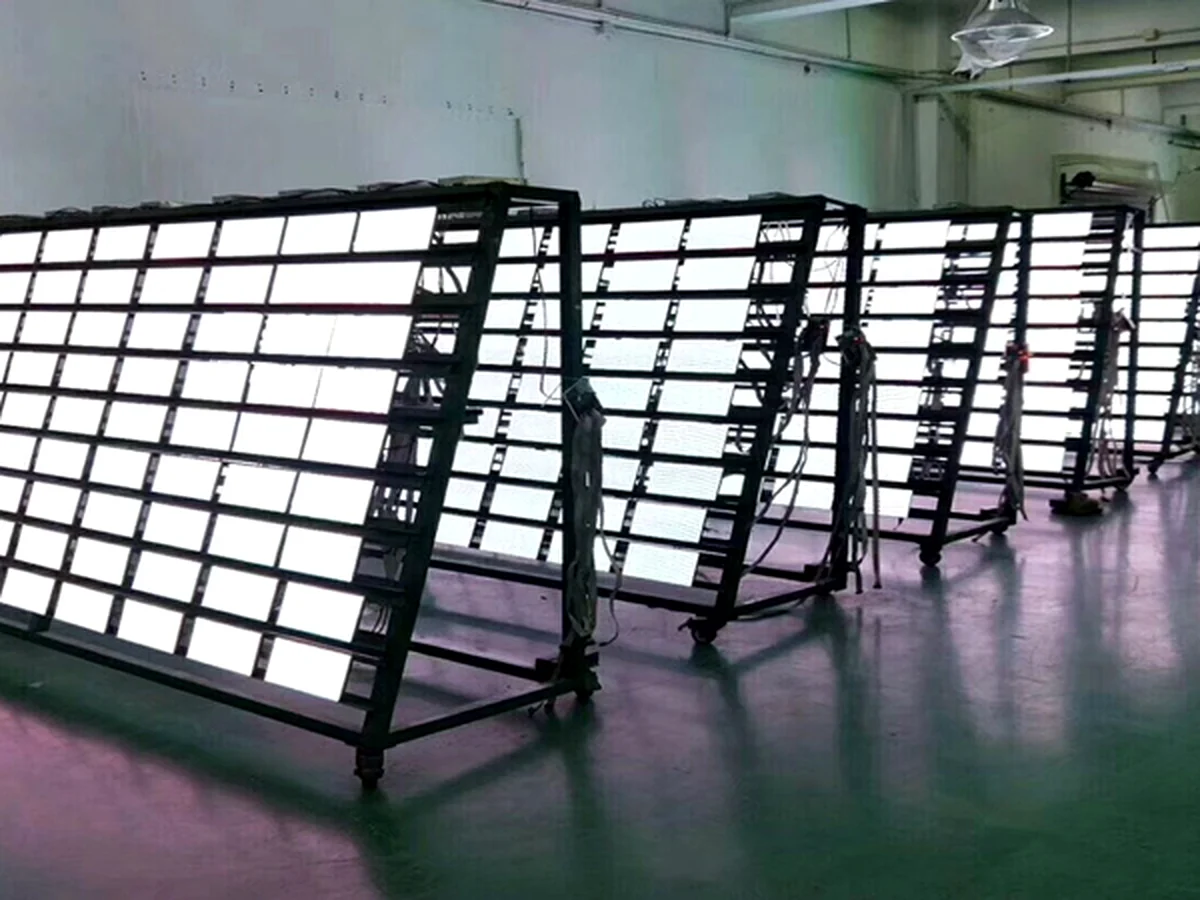
Separate Module Aging From Assembled Display Aging
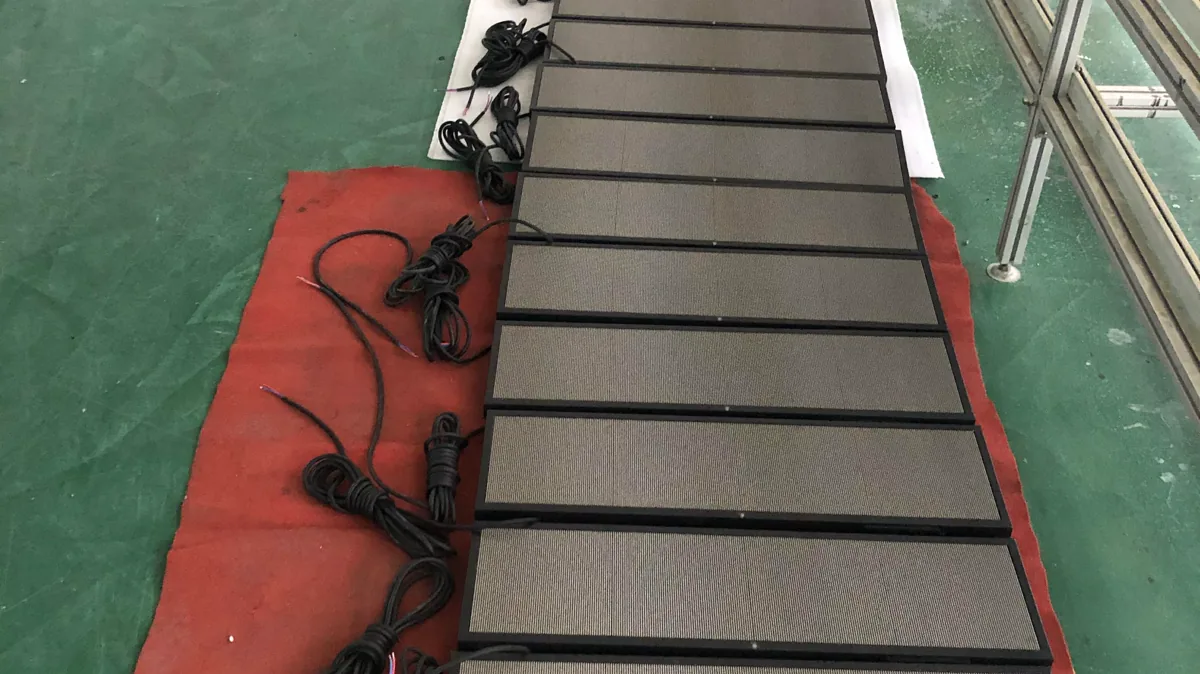
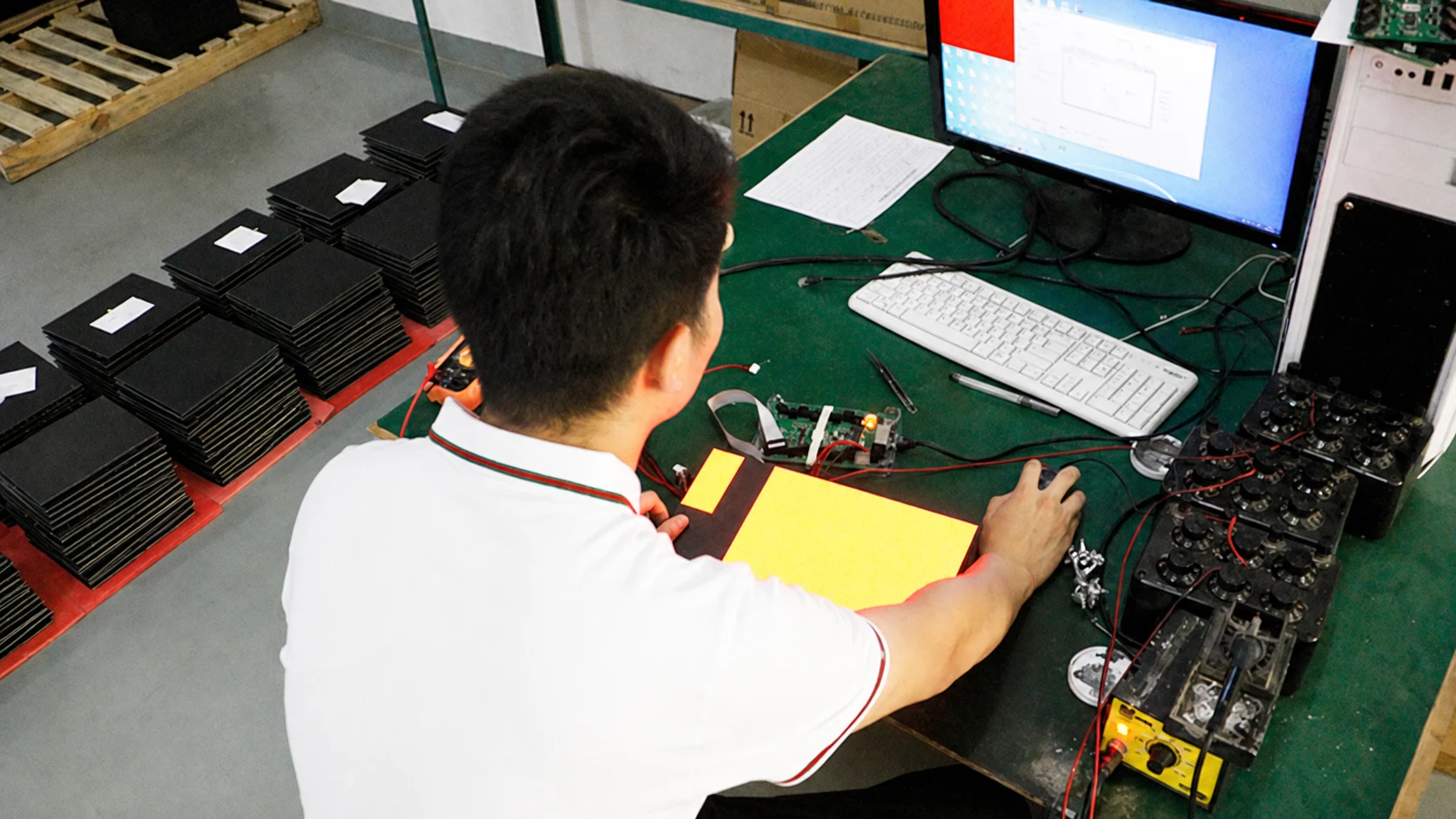
The existing process uses different checkpoints at different assembly stages. Module-level aging and assembled-display aging are presented separately so buyers can understand what is being reviewed.
Modules are illuminated and reviewed before cabinet assembly to identify visible or functional issues at the module stage. Duration is confirmed for the approved production plan.
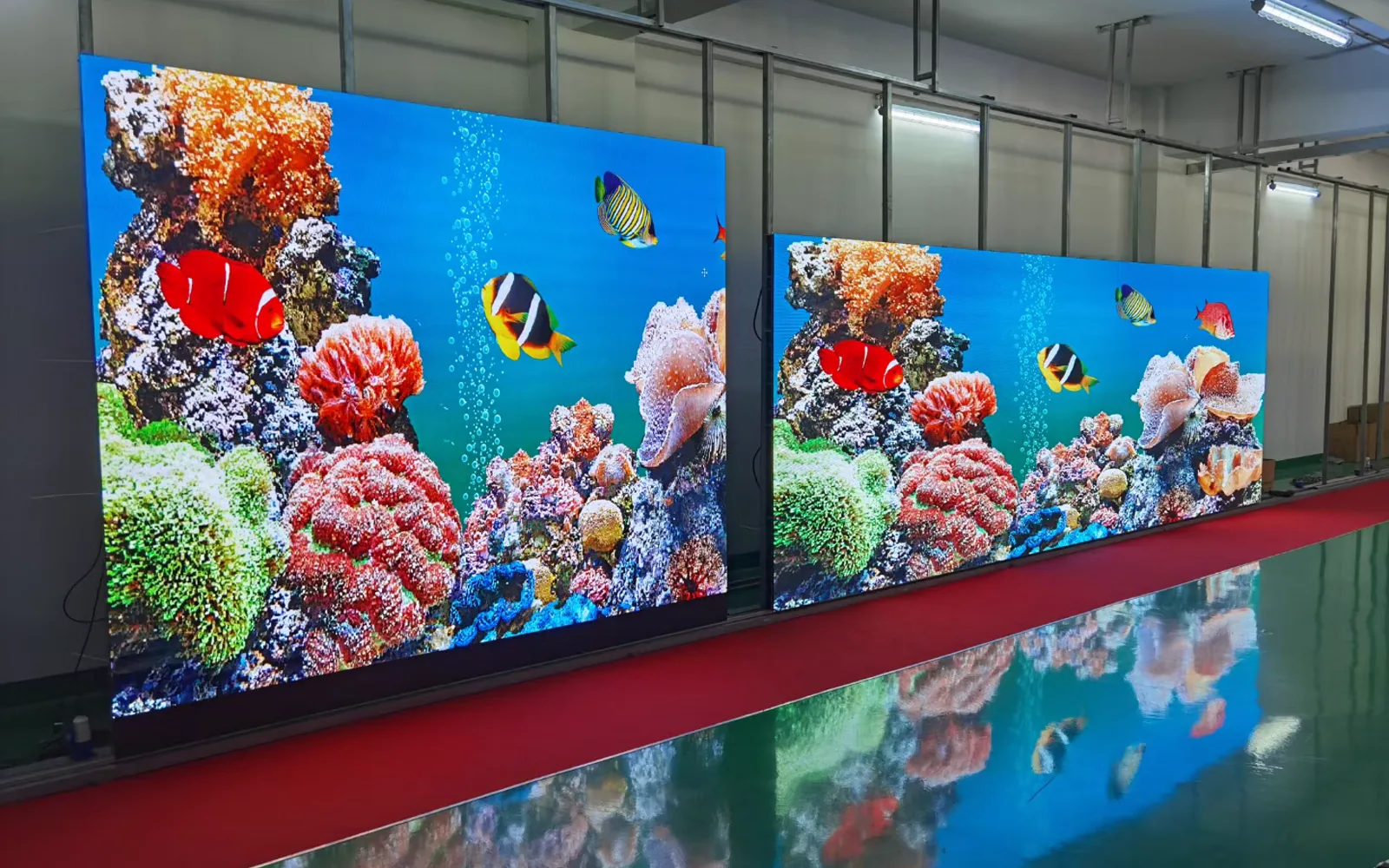
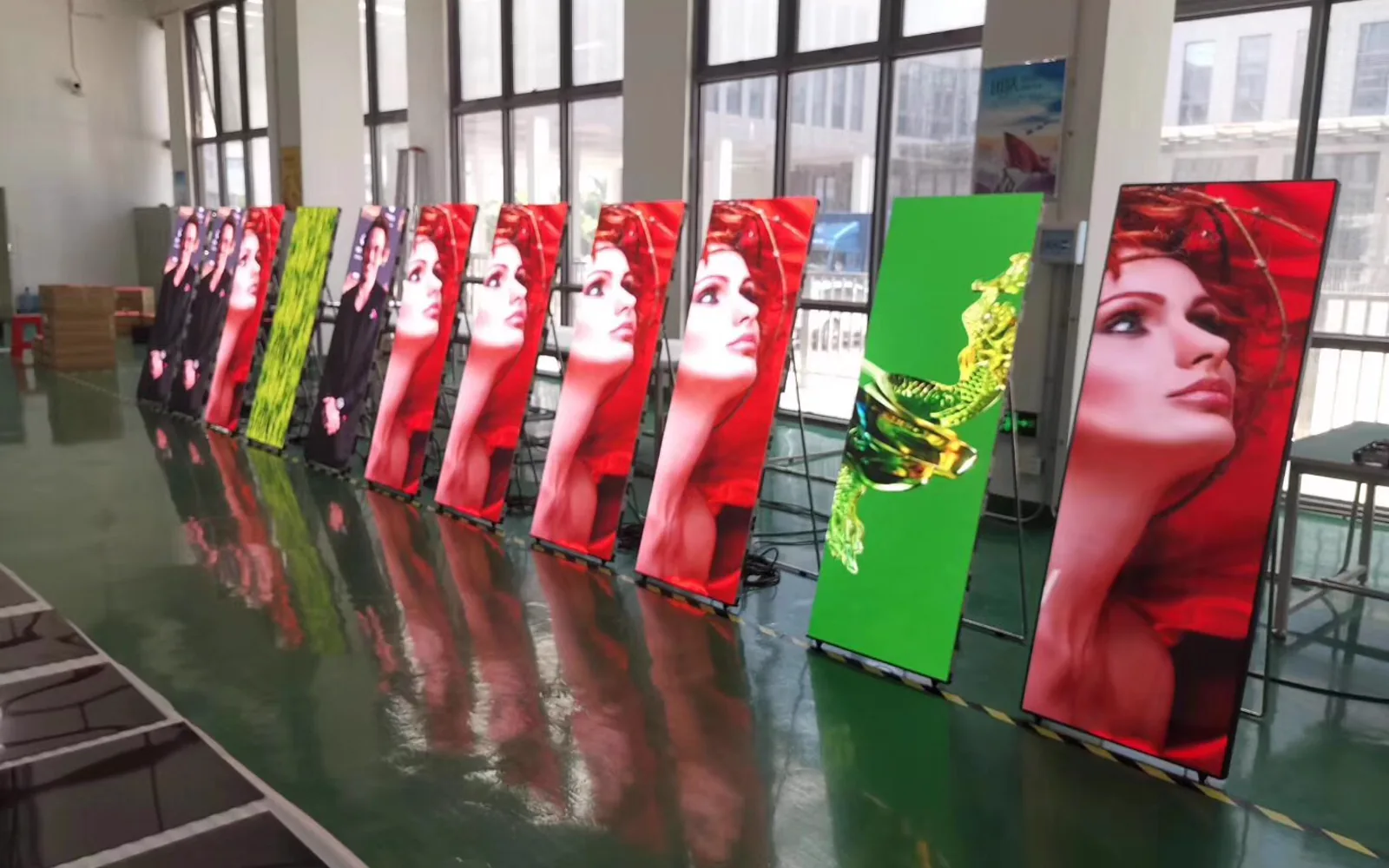
After cabinet and display assembly, the complete illuminated surface is reviewed again before final inspection and packing. Duration is confirmed for the supplied system.
BEFORE PACKING
Review the Complete LED Display, Not Only Individual Components
Final inspection brings the visual surface, cabinet condition, control operation and packing readiness into one release decision.
Pixel & Module Surface
Check visible output, module condition and alignment across the assembled display.
Color & Brightness
Review the visual consistency of the illuminated screen under test content.
Control & Signal
Confirm signal delivery, playback operation and project-specific control requirements.
Cabinet Condition
Review cabinet assembly, connectors, service access and visible mechanical condition.
Accessories
Check applicable cables, spare parts, control hardware and project documentation.
Packing Release
Approve the protection method and identification before the order is dispatched.
PROTECT THE APPROVED DISPLAY
Match the Packing Method to the Product and Transport Plan
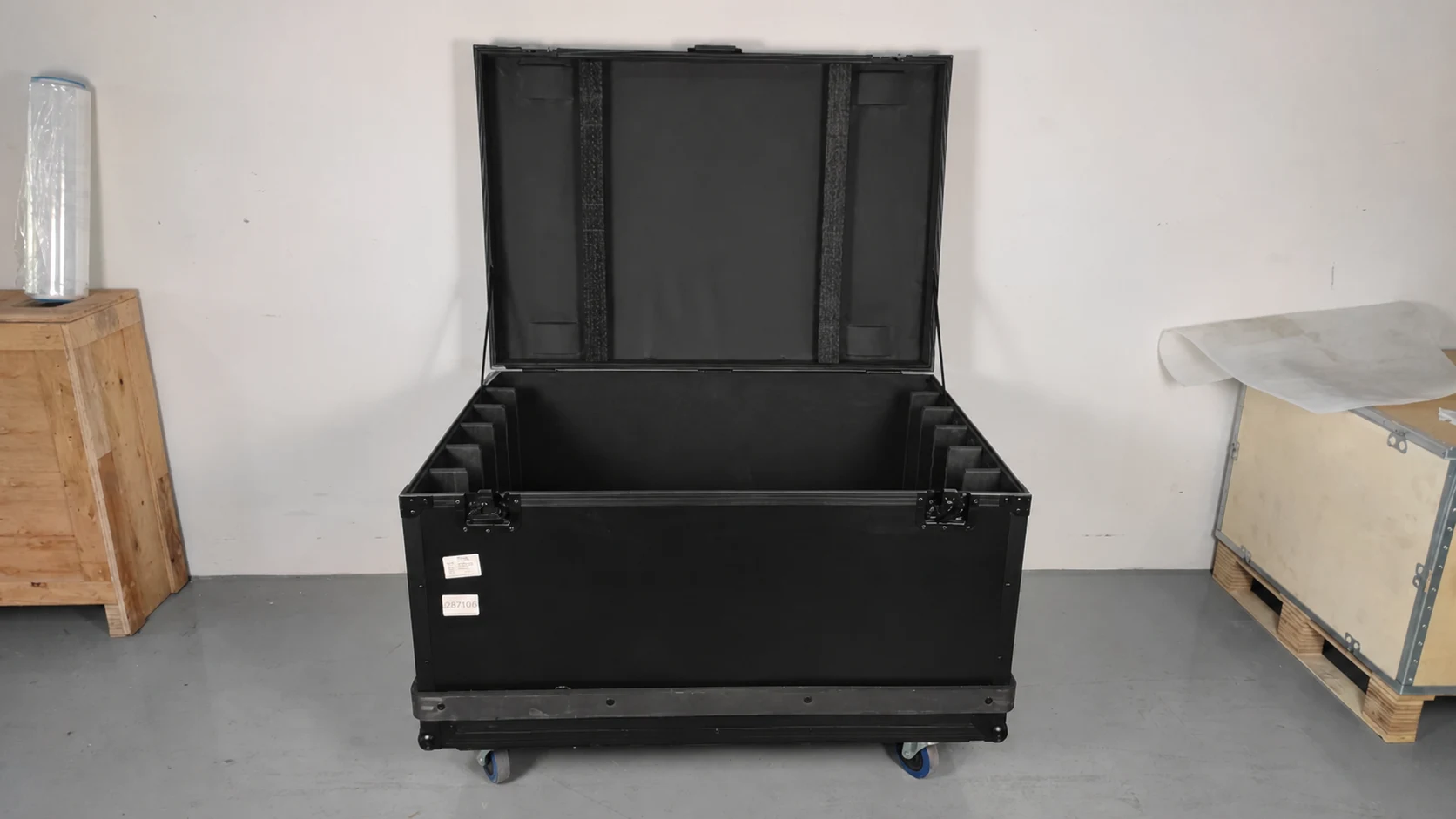
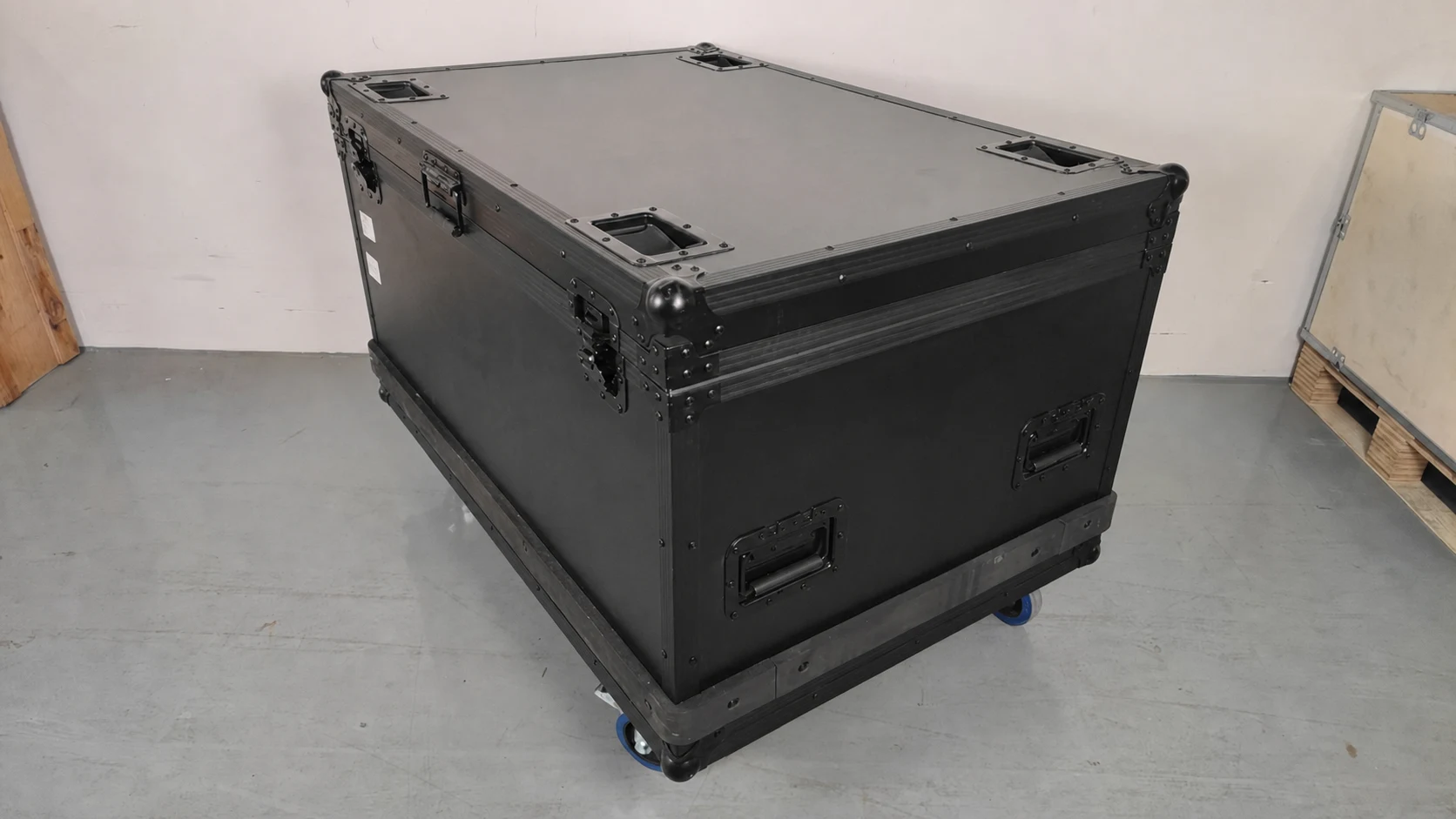
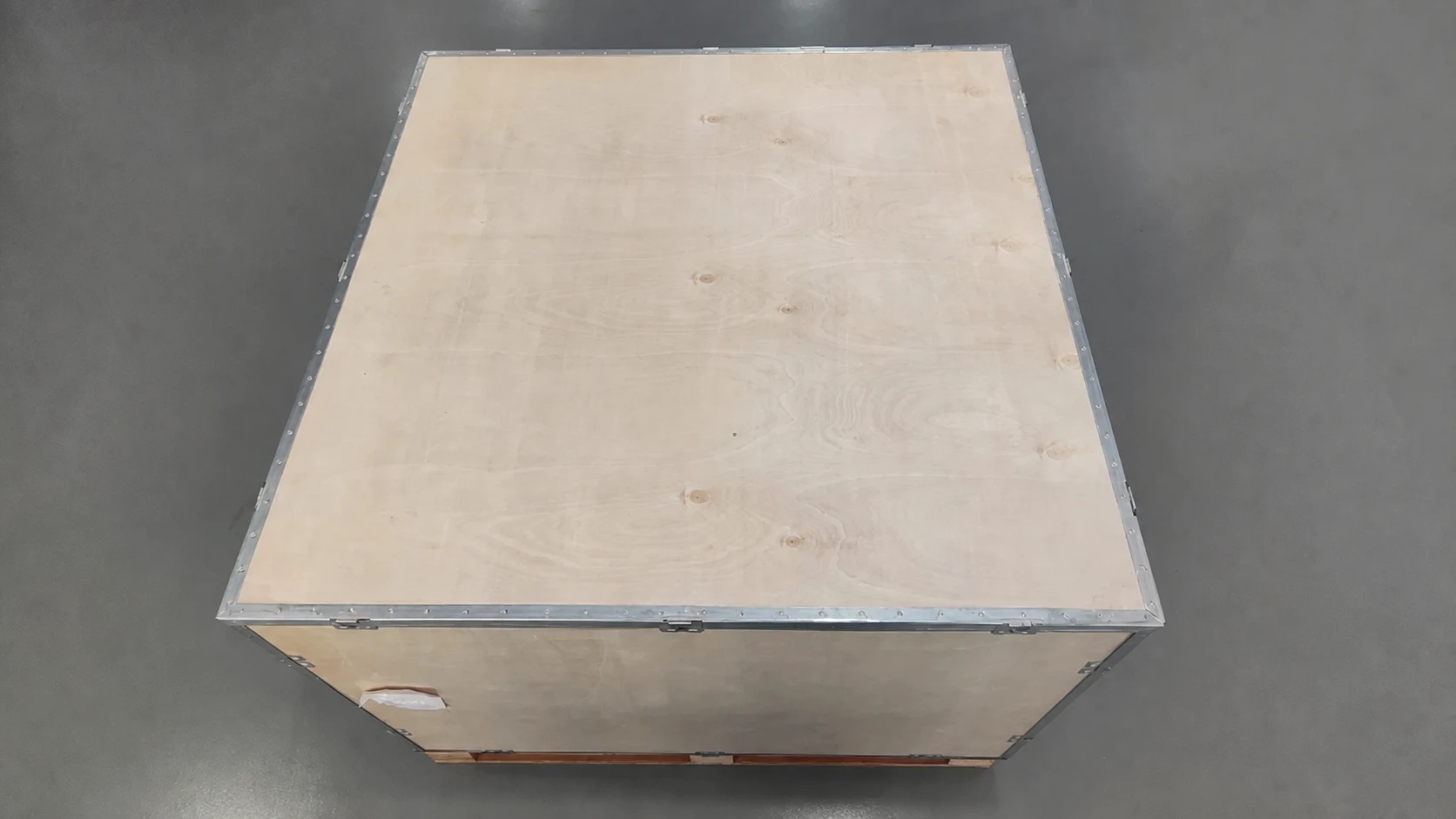
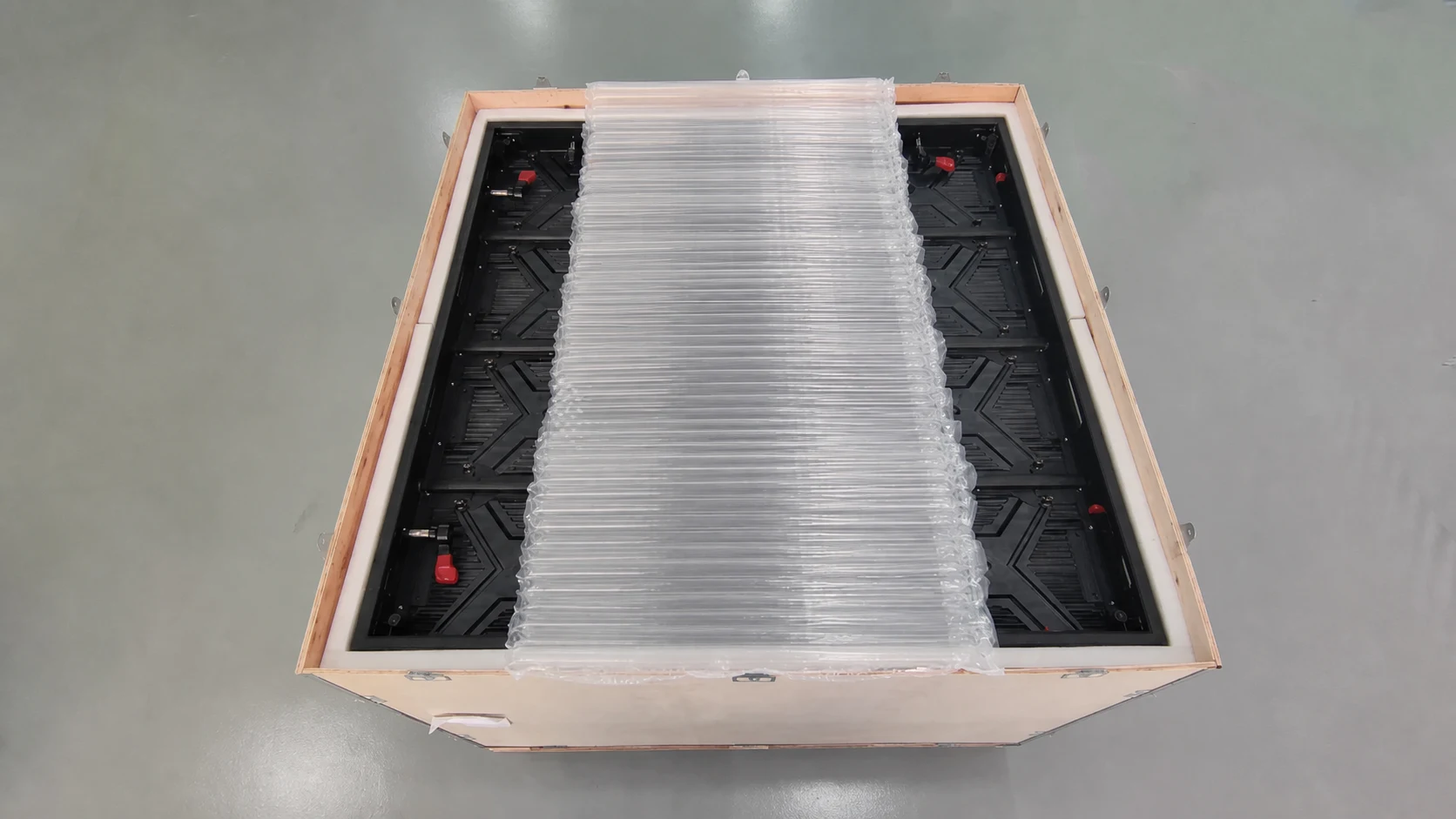
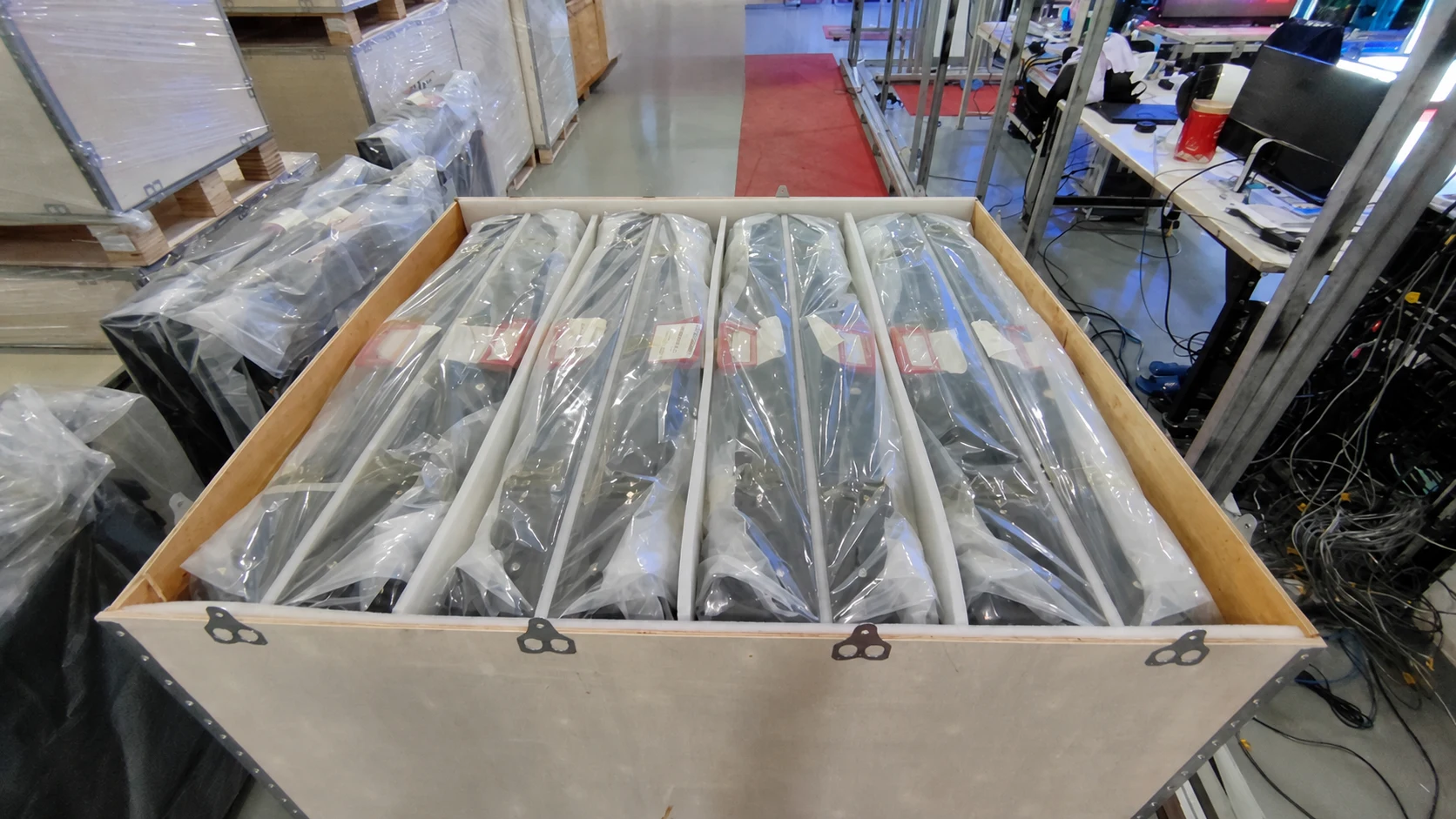
Flight cases support repeat handling and rental use. Wooden cases provide project-specific protection for fixed-installation products and long-distance shipment. The final method is confirmed with the order.
INSPECTION EVIDENCE
Ask for the Quality Records Relevant to Your Order
Documentation should match the actual product and project scope. MVP LED can coordinate project-specific inspection photos, pre-shipment review materials and applicable compliance documents when confirmed with the order.
Request project documentation →A project-specific list of the checkpoints agreed for the order.
Visual evidence can be coordinated before shipment when requested.
Discuss remote or third-party inspection requirements before production.
Compliance documentation is supplied according to the relevant product and order scope.
QUALITY CONTROL FAQ
What Buyers Usually Ask Before Approving an LED Display Order
Quality requirements vary by screen type, installation environment and project responsibility. Confirm the required checkpoints with the quotation.
What is checked before an LED display is shipped?
The final review can cover illuminated output, module surface, cabinet condition, signal operation, accessories, packing and order-specific documentation.
Why are there separate 72-hour and 24-hour aging periods?
They refer to different stages: module-level aging before cabinet assembly and assembled-display aging after the complete screen system is built.
Can I receive inspection photos before shipment?
Yes. Request the required photo or video record before production so it can be included in the project quality plan.
Can a third party inspect the order?
Third-party or customer inspection can be discussed before production, subject to the order, schedule and agreed inspection scope.
Which certificates are available?
Certification documents must match the applicable product and order scope. Share the destination market and required standard for document review.
How is the packing method selected?
The product type, shipment method, repeat handling, destination and installation plan determine whether flight-case or wooden-case protection is more suitable.
START WITH THE INSPECTION SCOPE
Define the Quality Checklist Before Production Starts
Send the display type, dimensions, application, destination, installation method and required inspection evidence for a more useful project review.