
MVP LED / SPORTS VENUE SYSTEMS
Giant Stadium LED Screens. Custom-Built for the Venue.
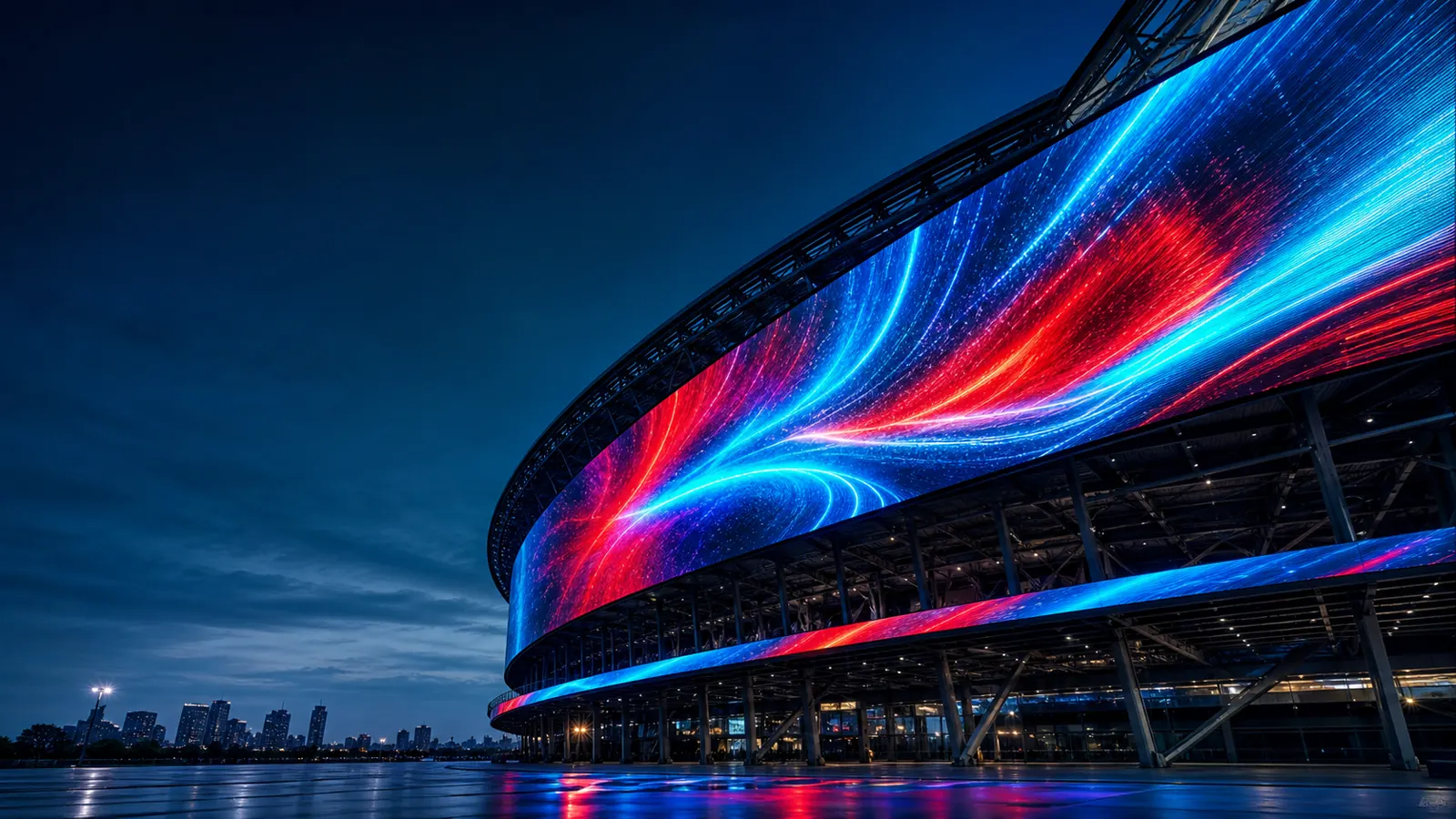
Large-format LED displays engineered as a commanding architectural feature—from one monumental main screen to curved, faceted and multi-sided custom configurations.
BUILT AT ARCHITECTURAL SCALE
One Huge Screen—or a Shape Designed Around the Stadium
The core MVP LED stadium solution is a large, high-impact display: a single panoramic main screen, a building-scale exterior screen, or a custom form created around the venue architecture. Curves, corners, faceted wings, circular halos and multi-sided suspended displays can be engineered as one coordinated system.
Screen geometry, steel structure, cabinet layout, brightness, control, power and maintenance access are developed together. MOQ, production schedule, spare parts and final electrical data are then confirmed for the approved project.
TWO CORE DIRECTIONS
Make the Screen the Visual Landmark
Begin with scale and shape. The technical system is then configured around the architectural concept.
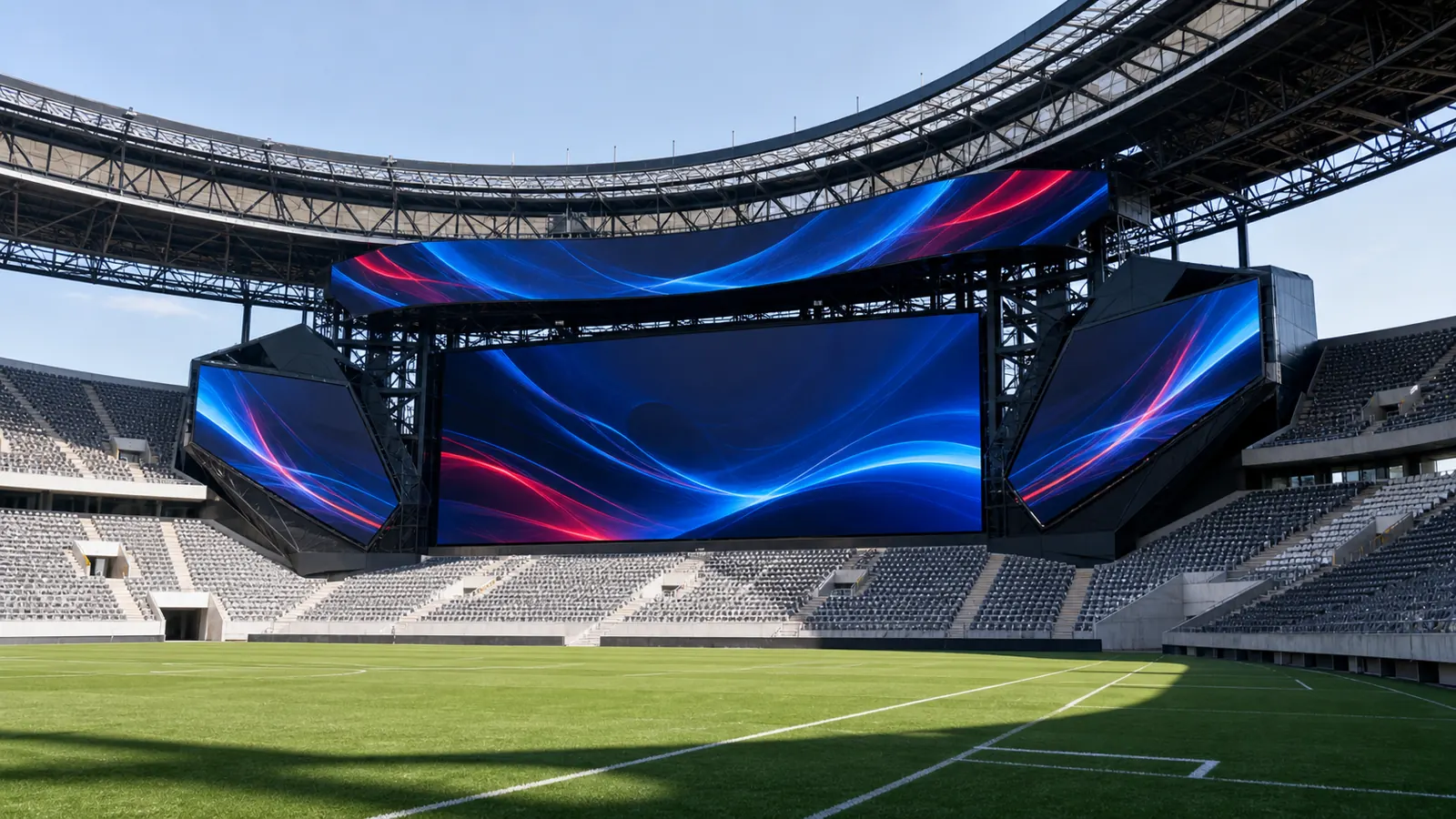
Giant Main Stadium Screen
A single oversized LED surface creates the venue's primary visual focus for live video, ceremonies, scores and commercial content. The structure, cabinet grid and service route are designed around the required dimensions.
- Panoramic and ultra-wide proportions
- High-brightness outdoor configurations
- Integrated steel and rear-service planning
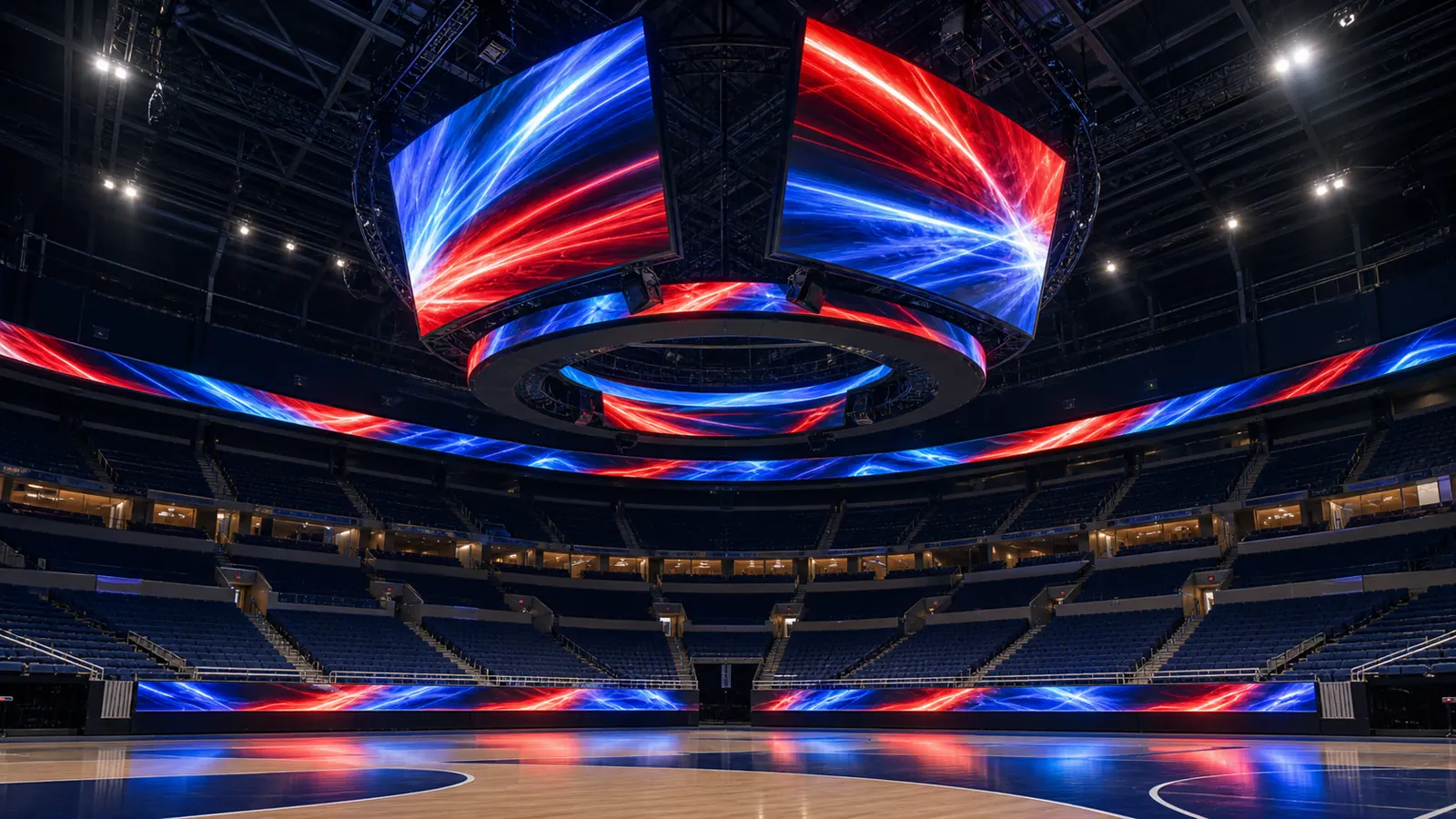
Custom-Shaped Stadium LED Display
Curved ribbons, faceted wings, circular halos and multi-sided suspended screens turn LED into part of the architecture. Module layout and structure are developed around the intended form.
- Curved, angled and multi-face layouts
- Indoor arena and exterior applications
- Project-specific cabinet engineering
VENUE ENGINEERING INPUTS
Six Decisions Before the Cabinet Is Selected
A site drawing and a short technical brief produce a more reliable recommendation than choosing by pixel pitch alone.
Scale & Geometry
Target width, height, curvature and architectural form define the cabinet grid and supporting structure.
Camera Workflow
Broadcast cameras, frame rates, shutter settings and replay sources influence refresh and processing requirements.
Ambient Light
Sun direction, roof coverage and operating hours determine the useful brightness range and adjustment strategy.
Weather Exposure
Rain, dust, drainage, heat, cold, wind and corrosion exposure must be reviewed for outdoor installations.
Structure & Access
Screen load, support steel, service corridor, lifting access and local requirements shape the cabinet layout.
Control & Power
Signal routes, redundancy, venue power and emergency messaging are coordinated with the operator workflow.
MATCH-DAY PERFORMANCE
Designed Around Visibility, Cameras and Serviceability
The stadium reference family combines outdoor protection, rear service, multi-angle cabinet adjustment and a high-refresh configuration. These features are finalized against the venue environment and control specification.
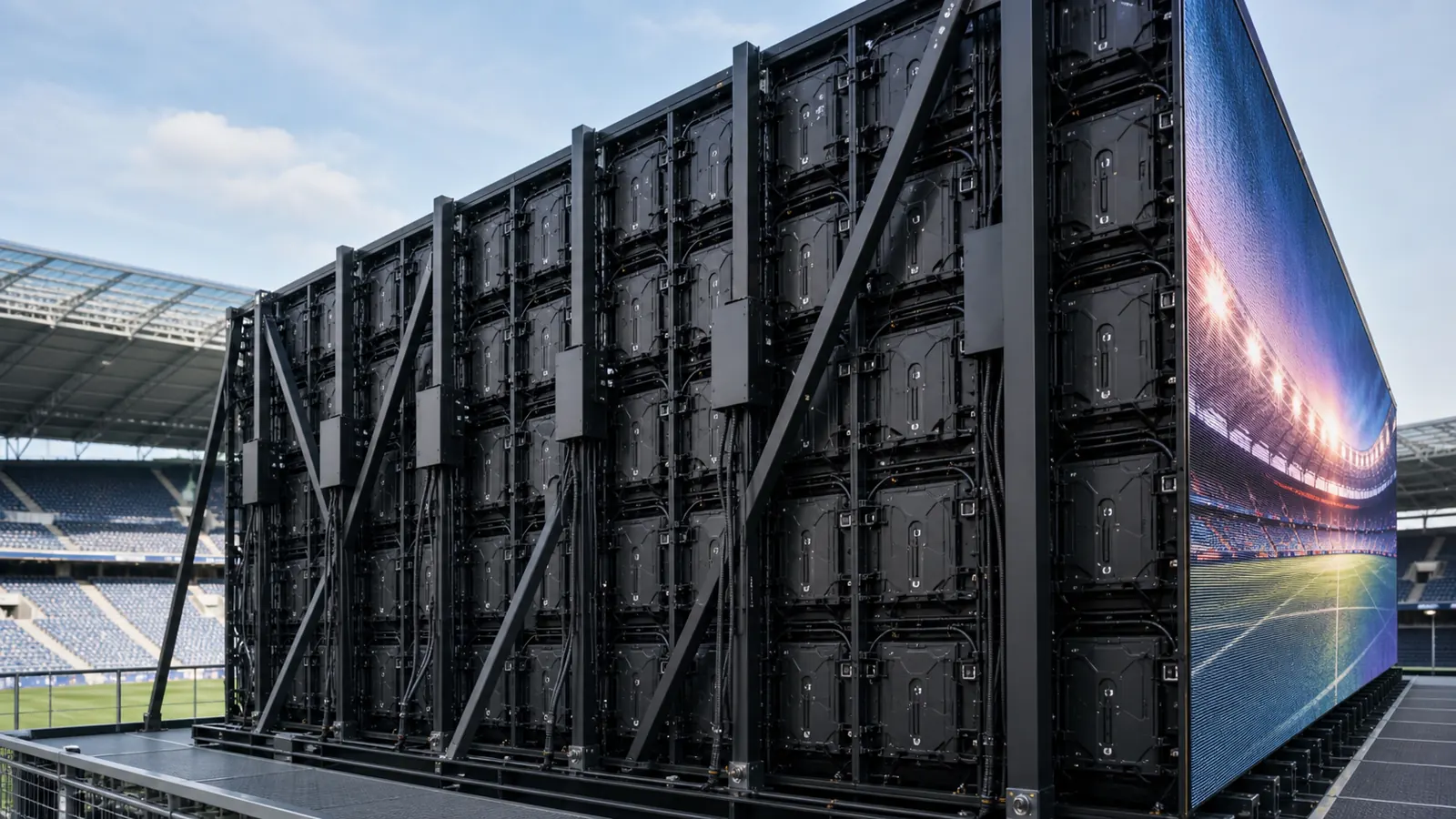
Shape Begins with Engineering
Large spans, curves, corners and suspended forms require a coordinated cabinet grid, steel structure and installation sequence approved for the site.
Maintenance Behind the Image
Rear access, module replacement, cable routing and spare-part planning should be defined before the support structure is fabricated.
Live, Scoring and Sponsor Signals
Confirm source formats, processor inputs, score-data integration and backup content with the venue's AV and control teams.
REFERENCE CONFIGURATION
Stadium LED Screen Technical Parameters
The table is transcribed from the supplied MVP LED product manual. Treat it as a selection range; the signed quotation and approved bill of materials govern the supplied system.
| Parameter | P4 | P5 | P6.67 | P8 | P10 |
|---|---|---|---|---|---|
| Module Size | 320 × 160 mm | ||||
| Module Resolution | 80 × 40 | 64 × 32 | 48 × 24 | 40 × 20 | 32 × 16 |
| Scan Mode | 1/10 | 1/8 | 1/6 | 1/5 | 1/2 |
| Pixel Density | 62,500 dots/m² | 40,000 dots/m² | 22,500 dots/m² | 15,625 dots/m² | 10,000 dots/m² |
| Installation / Service | Rear service | ||||
| Cabinet Size | 960 × 960 mm | ||||
| Brightness | 5,000–6,000 cd/m² | 5,000–6,000 cd/m² | 5,000–6,000 cd/m² | 4,000–5,000 cd/m² | 6,000–7,500 cd/m² |
| Cabinet Weight | 28 kg | ||||
| Protection Rating | IP65 | ||||
| Refresh Rate | 3840–7680 Hz | ||||
| Best Viewing Distance | >4 m | >5 m | >6.5 m | >8 m | >10 m |
Warranty: 2 years.
MOQ, lead time, capacity and spare parts: confirmed for the selected project configuration.
Electrical and structural values: issued after cabinet and site requirements are approved.
REAL VENUE APPLICATIONS
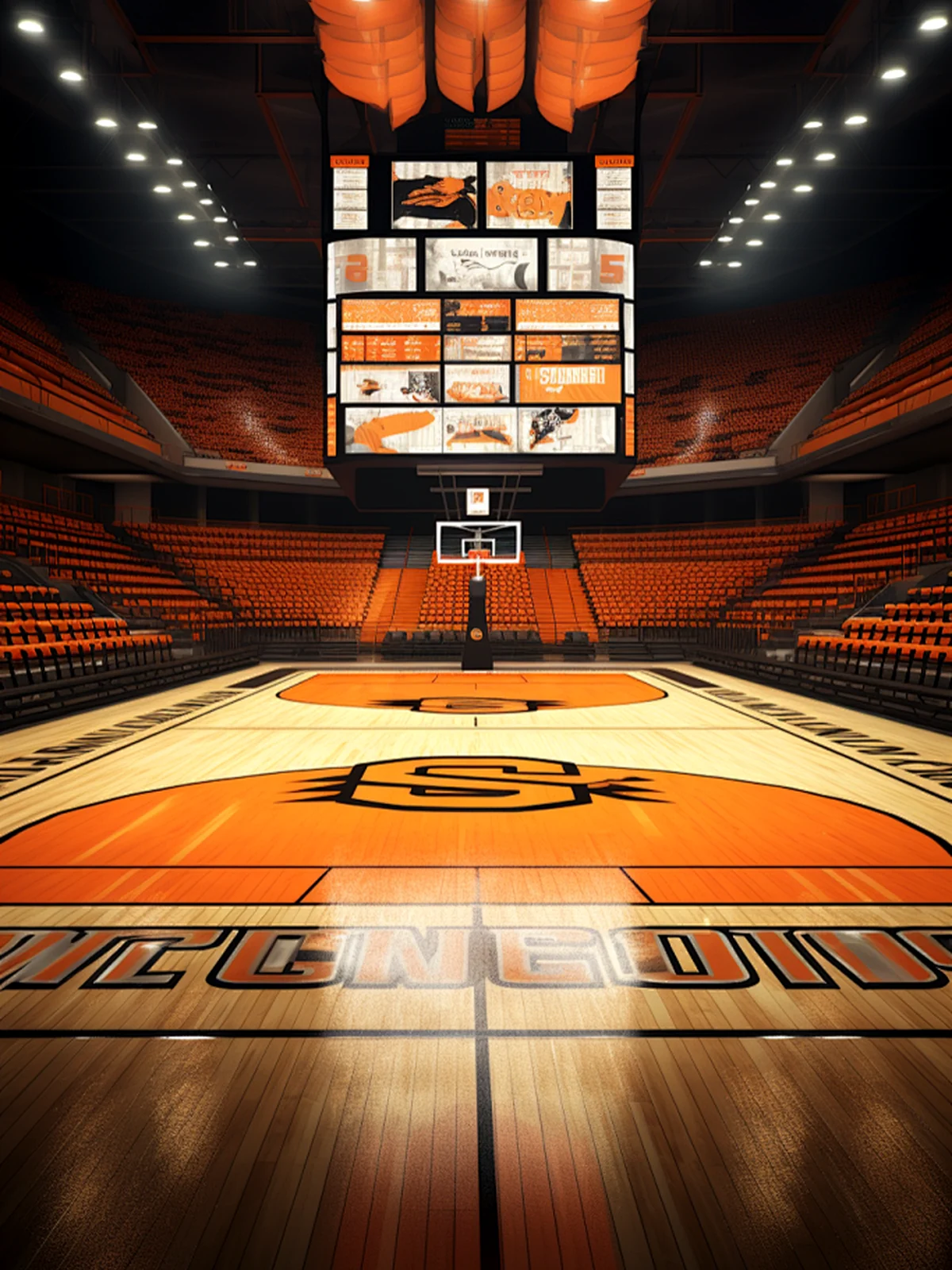
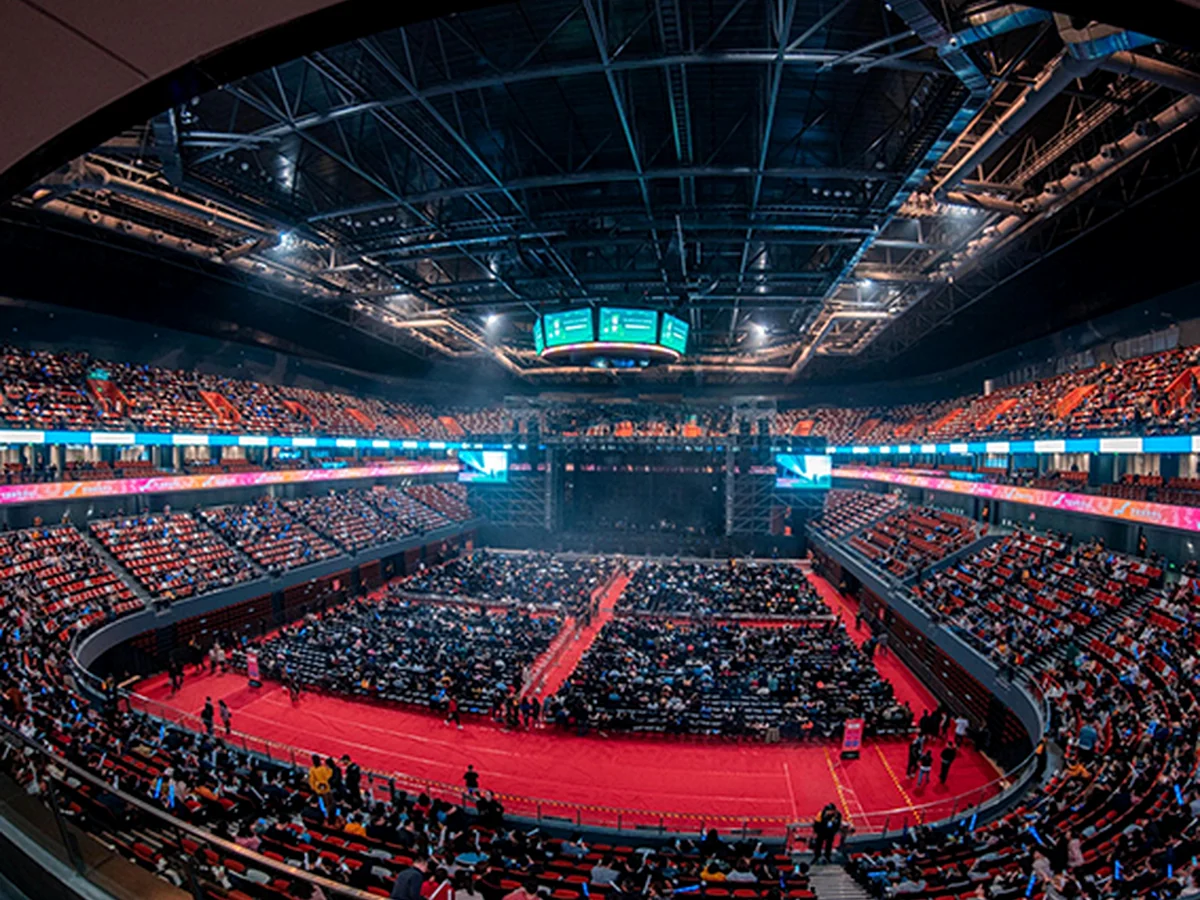
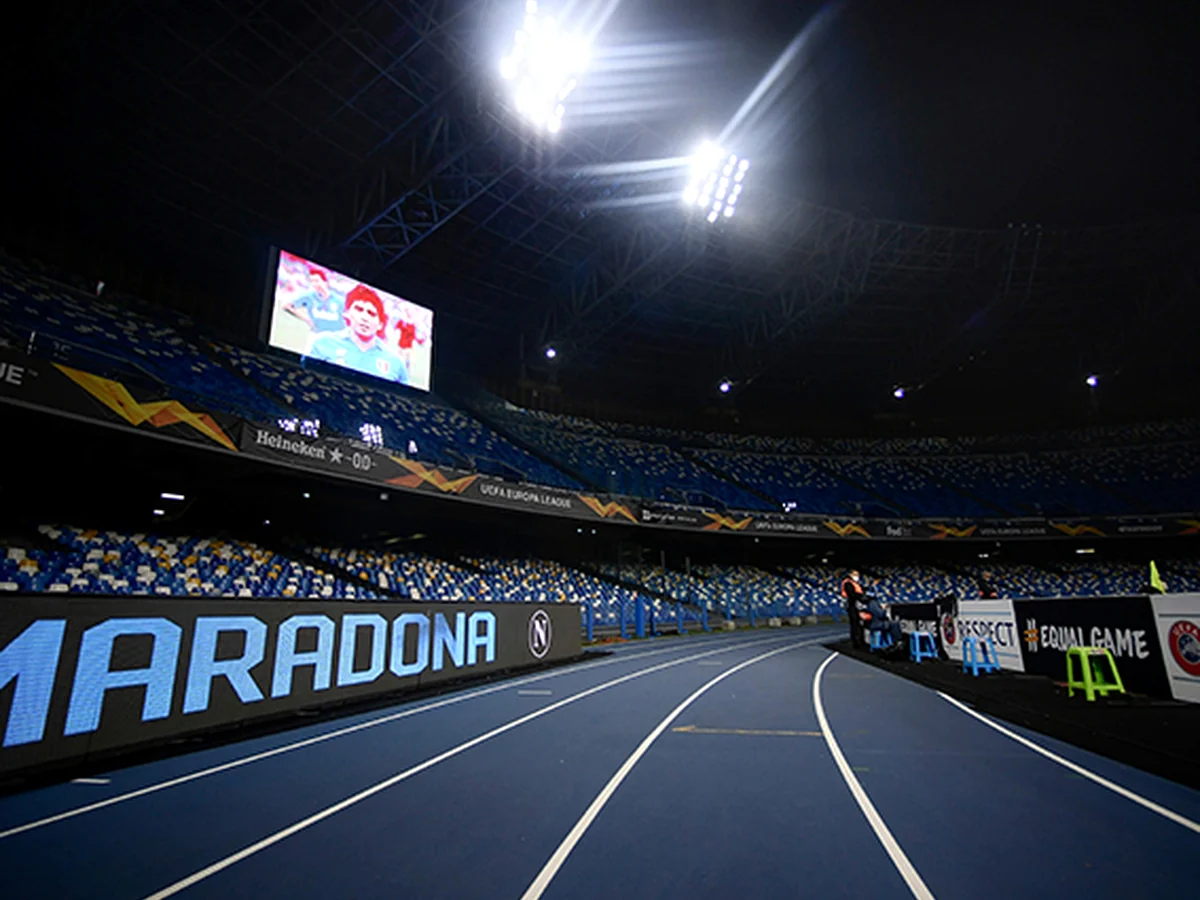
Three Display Zones Inside the Sports Venue
Each screen position solves a different viewing and operating task—from the central arena focal point to continuous information around the seating bowl.
PROJECT WORKFLOW
From Venue Brief to Production
Share the available information first; missing technical inputs can be resolved during configuration.
- 01Send the stadium drawing, target dimensions and intended screen shape.
- 02Confirm indoor or outdoor exposure, structure, cameras and content.
- 03Review the proposed geometry, cabinet grid, control and service method.
- 04Approve the bill of materials, drawing, schedule and spare-parts plan.
What to Send for a Useful First Recommendation
- Venue city and installation environment
- Target screen width and height
- Reference shape, curve or architectural concept
- Photos, CAD drawings or structural plans
- Camera use and required content sources
- Target installation date and destination
BUYER FAQ
Stadium LED Screen Questions
Practical answers for venue owners, contractors, integrators and AV engineering teams.
Ask a project-specific question ↗What types of stadium LED display can MVP LED configure?
The core range covers giant panoramic main screens and custom-shaped displays, including curved, faceted, multi-sided, suspended and building-integrated configurations. Scoreboards, ribbon displays and supporting display zones can be coordinated when required.
Which pixel pitch is suitable for a stadium screen?
The supplied stadium range references P4, P5, P6.67, P8 and P10. Pixel pitch is selected from the total dimensions, content detail, camera workflow and expected viewing distance, then confirmed with the cabinet and structural design.
Is the stadium screen waterproof?
The supplied reference range lists IP65 protection. The final quotation should state the front and rear ratings, because ventilation, connectors, service doors and the installation structure can affect weather protection.
Can the screen be used for broadcast cameras?
Yes, when refresh rate, grayscale, brightness, processor setup and camera exposure are coordinated. The supplied manual lists a 3840–7680 Hz reference refresh-rate range, but the required configuration should be confirmed with the broadcast workflow.
How is a stadium LED screen maintained?
The supplied stadium cabinet is shown as rear-service. A safe service corridor, module access, cable routing, lifting method and spare-parts plan should be included in the project drawing.
What information is needed for a quotation?
Send the screen dimensions, pixel pitch if known, viewing distances, indoor or outdoor environment, mounting position, maintenance access, camera use, destination country and required date. Photos or drawings help reduce assumptions.
What is the warranty?
The standard confirmed warranty is two years. Coverage details and the supplied spare parts are stated in the signed quotation and contract.
What are the MOQ and lead time?
MOQ, production schedule, capacity allocation and spare-parts quantity depend on the cabinet, total screen area and project requirements. They are confirmed after the configuration is selected.
FROM CONCEPT TO GIANT SCREEN
Show Us the Scale, Shape and Stadium Structure
Send the target dimensions, drawings or reference shape, installation environment, destination and project date.