
MVP LED / MOTION-RESPONSIVE DISPLAY
Interactive Floor Tile Screen
Turn every step into a visual response.
Infrared sensing, load-bearing LED modules and compatible interactive content create immersive experiences for exhibitions, retail, attractions and entertainment venues.
THE RESPONSE PATH
Movement Becomes Content in Four Steps
The display, sensing layer, control system and interactive media operate as one coordinated experience.
A Visitor Steps In
Footsteps and body movement become the physical input for the interactive scene.
Module Sensors Detect
Each module uses 16 built-in infrared sensor chips for multi-point detection.
Data Transfers in Parallel
The listed 30 ms sensing speed supports responsive operation without blind spots.
Visual Content Reacts
Compatible scenes respond while supporting simultaneous multi-person interaction.
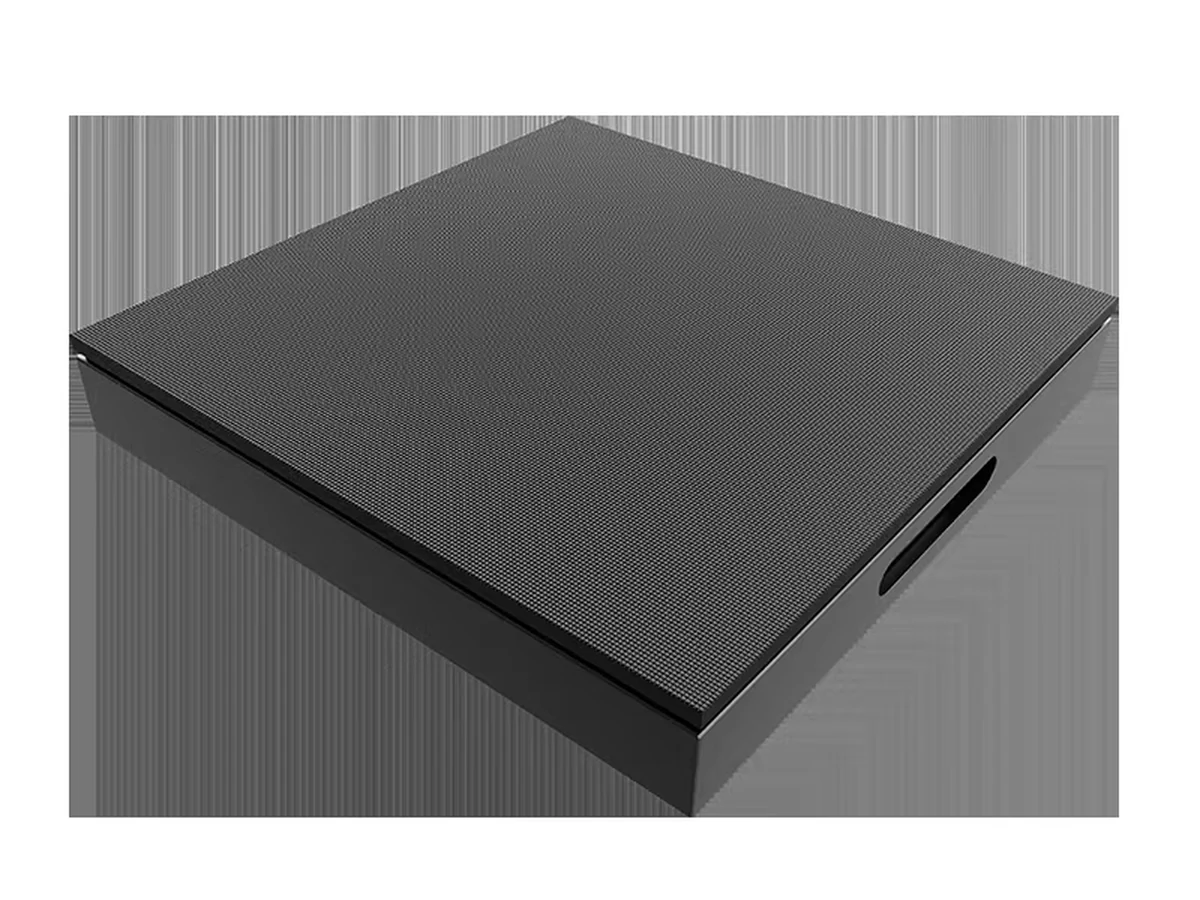
INSIDE THE INTERACTIVE FLOOR
A Load-Bearing Display With a Sensing Layer
The system combines a protected LED surface with distributed sensing and compatible interactive content.
Multi-Point Sensing
Sixteen infrared sensor chips in each module create a distributed detection layer.
Multi-Person Response
The system can track simultaneous activity when the sensing layout and content are configured for the project.
Protected Surface
GOB processing and a listed IP65 front rating support practical floor-level use.
Seamless Module Layout
High-precision splicing is designed to create a flat image surface without exposed screw points.
Load-Bearing Design
The product data lists 100 kg as a reference maximum single-point pressure; the approved project load is confirmed with the support structure.
Content Compatibility
P1.95, P2.6 and P3.91 options are available; the system lists .U3D adaptive-format support.
INTERACTIVE APPLICATIONS
Designed for Participation, Not Passive Viewing
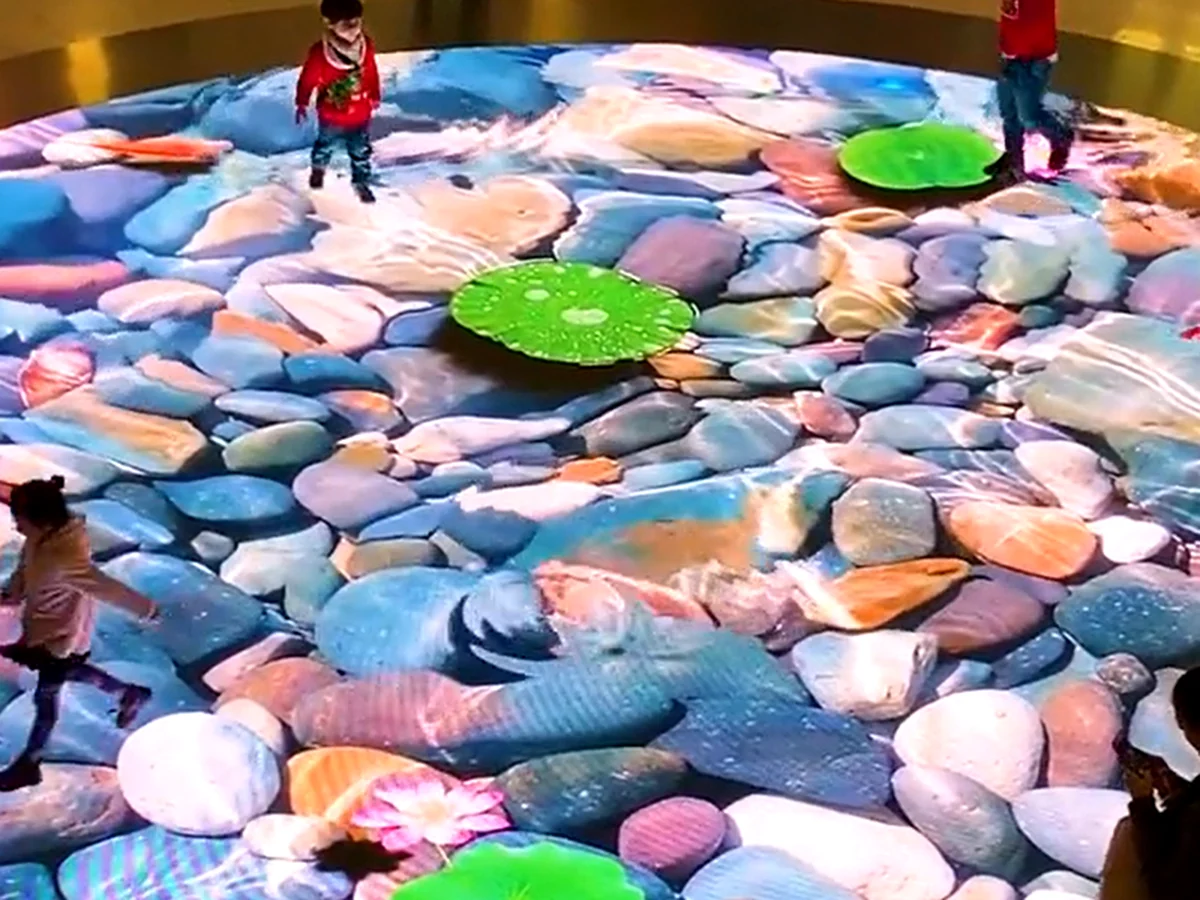
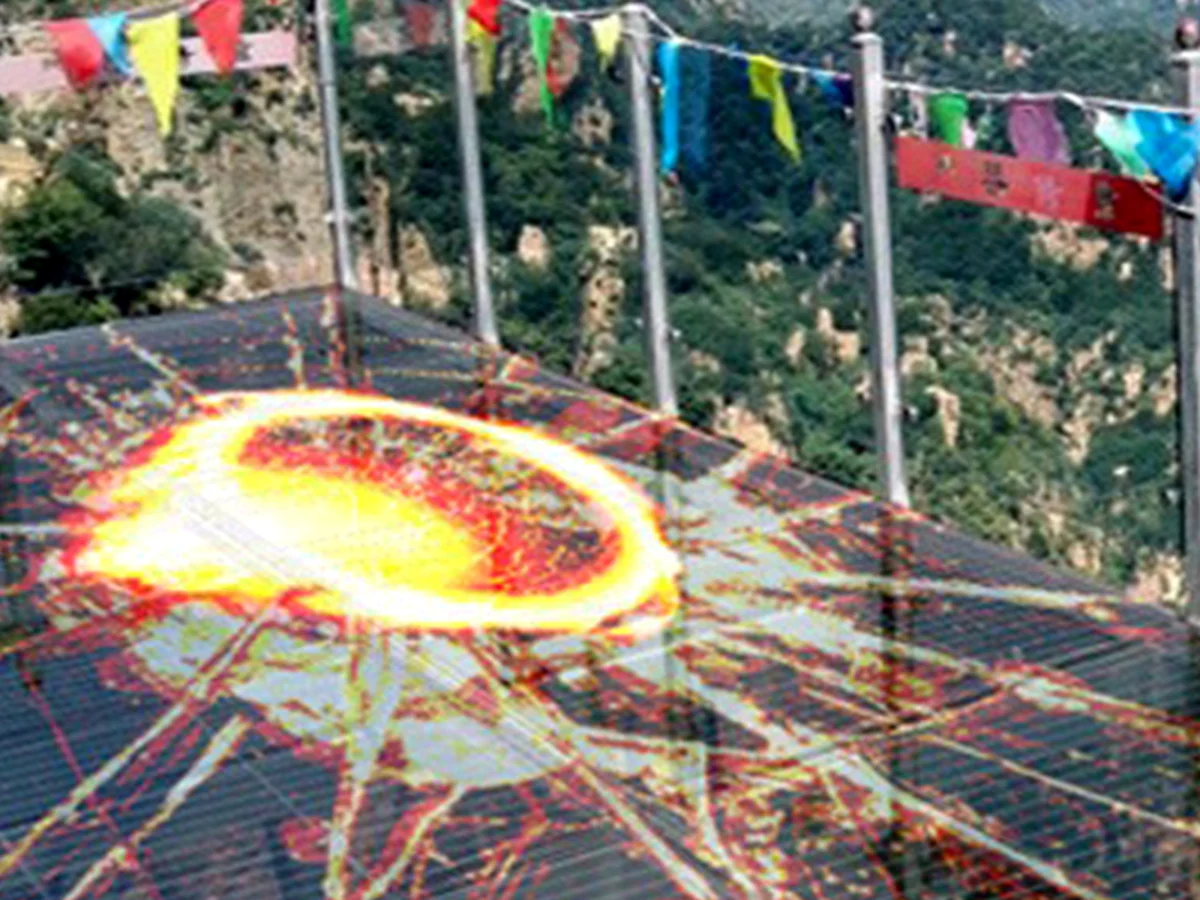
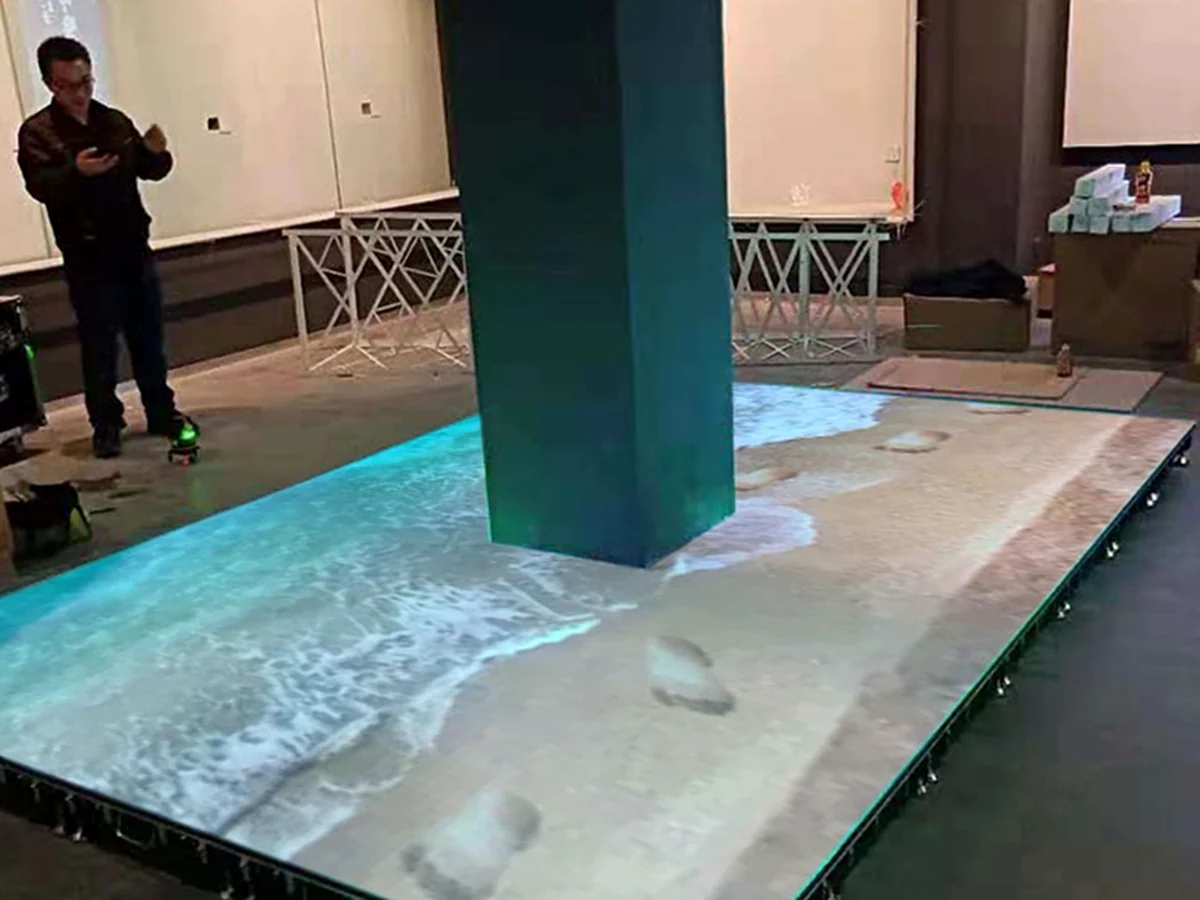
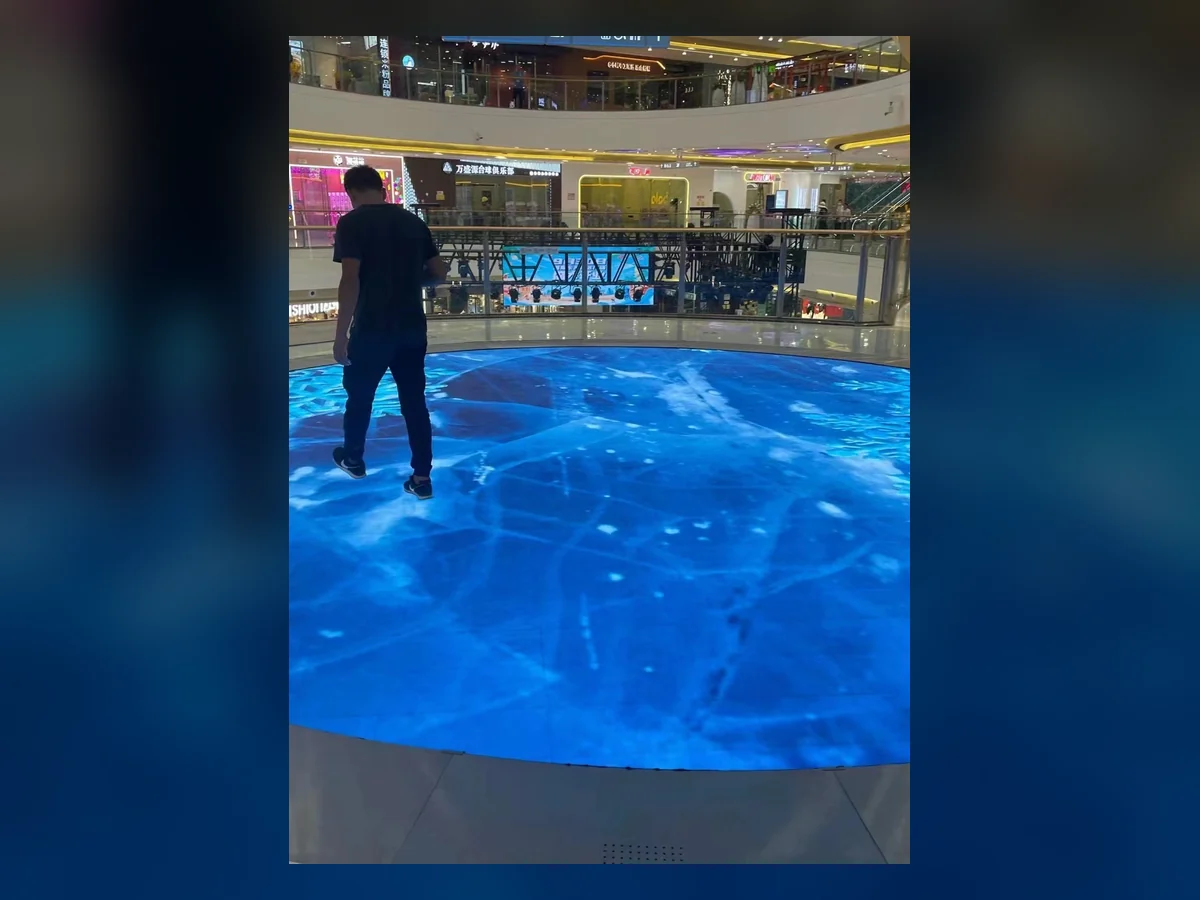
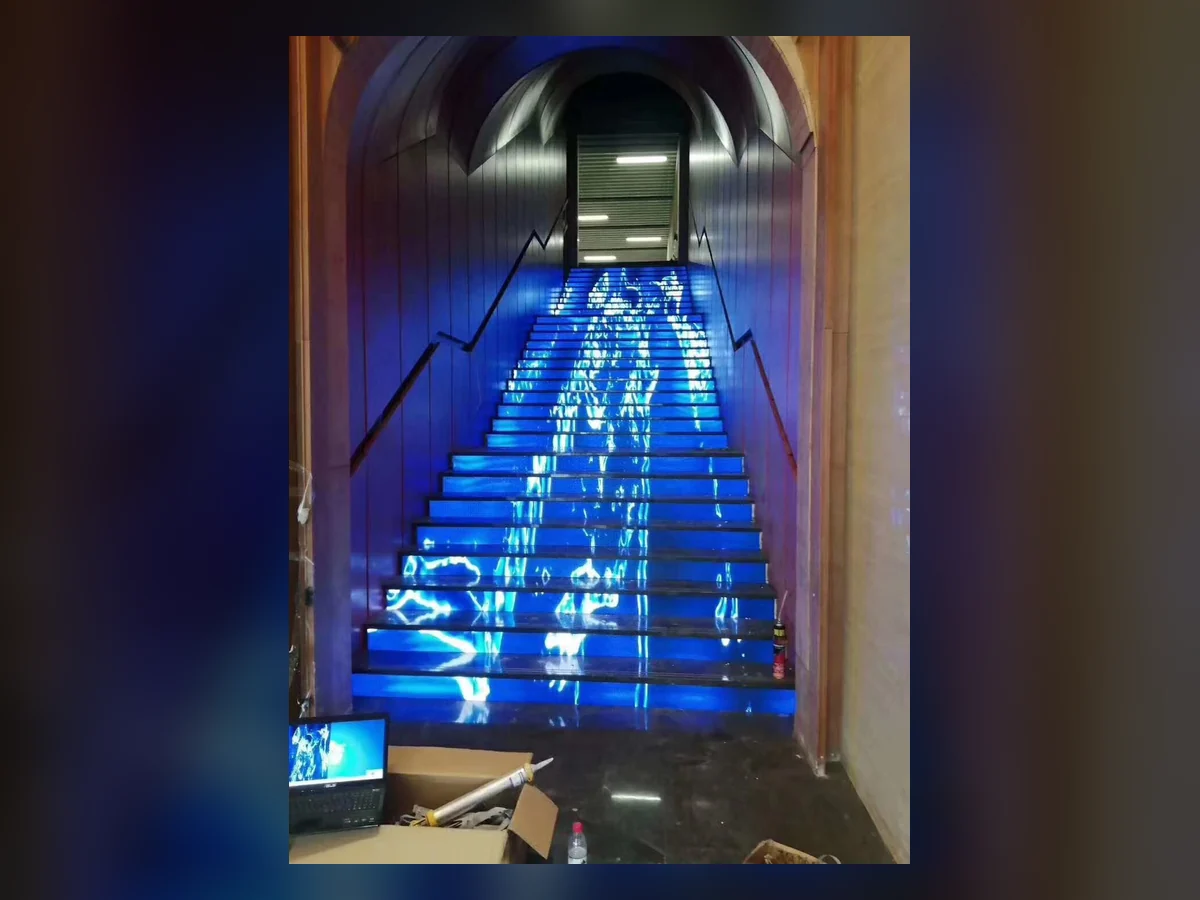
Use reactive floor content to build games, guide movement, reveal digital effects or extend a wider immersive environment.
PRODUCT PARAMETERS
Interactive Floor Tile Screen Comparison
Compare the three current pixel-pitch configurations. Final load, cabinet, sensing, protection and content details are confirmed for the approved project.
| Specification | P1.95 | P2.6 | P3.91 |
|---|---|---|---|
| LED | SMD1010 | SMD1415 | SMD2020 |
| Module Size | 250 × 125 mm | 500 × 125 mm | 500 × 125 mm |
| Module Resolution | 128 × 64 | 192 × 48 | 128 × 32 |
| System | Self-developed interactive system | ||
| Brightness | >600 cd/m² | >800 cd/m² | >800 cd/m² |
| Weight | 16 kg/m² | 16 kg/m² | 16 kg/m² |
| Scanning Method | 1/32 | 1/24 | 1/16 |
| Maximum Power | 512 W/m² | ||
| Average Power | 170 W/m² | ||
| Refresh Rate | 3840 Hz | ||
| Protection Level | IP65 front / IP41 rear | ||
PROJECT INPUTS
Plan the Interaction Before Configuring the Hardware
A successful interactive floor connects the space, audience, content logic and display engineering from the start.
Space & Footfall
Floor dimensions, visitor flow and temporary or permanent use.
Interaction Logic
What should happen when one or several visitors step, stop or move?
Viewing & Content
Viewing distance, pixel pitch, content detail and camera use.
Load Case
Pedestrian, equipment or vehicle loads for cabinet and structure review.
Environment
Indoor or exposed conditions, cleaning, drainage and protection.
Control Integration
Media server, trigger logic, software and required content formats.
BUYER FAQ
Interactive Floor Questions
Resolve the sensing, load, content and integration requirements before production.
Ask a project question →How does an interactive floor tile screen respond to movement?
Each module uses 16 built-in infrared sensor chips. Parallel interactive data is transmitted to the compatible system so visual content can respond to footsteps and movement.
Which pixel pitches are available?
Available models include P1.95, P2.6 and P3.91. Select the pitch around viewing distance, content detail, floor area and project budget.
Can several people interact with the floor at the same time?
Yes. The current system is designed for simultaneous multi-person interaction. The sensing layout, computer and content should be configured for the project scale.
What response speed is listed?
The system specifies 30-millisecond sensing speed and parallel data without blind spots. The overall experience also depends on content, processor and system integration.
What content format does the system support?
The current system lists .U3D adaptive-format support. Confirm the exact software, media-server workflow and version compatibility before content production.
What load can the interactive floor support?
The current product data lists 100 kg as a reference maximum single-point pressure. The approved capacity depends on the cabinet, support structure and complete load case; equipment or vehicle loads require a separate engineering review.
What protection level is listed?
The product parameters specify IP65 at the front and IP41 at the rear. Site exposure, cleaning and drainage should be reviewed before approval.
What is the listed power consumption?
Maximum power consumption is 512 W/m² and average power consumption is 170 W/m². Electrical design should use the approved project configuration.
Can the interactive floor be customized to the venue size?
Yes. Send the floor dimensions, layout, access, pitch, load, interaction and content requirements for a project-specific configuration.
BUILD THE RESPONSE PATH
Start With the Space, the Audience and the Interaction
Send your floor size, visitor flow, load case, content concept, control requirements, destination and schedule.