
CREATIVE LED DISPLAY ENGINEERING GUIDE
Creative LED Display Shapes Through Modular Engineering
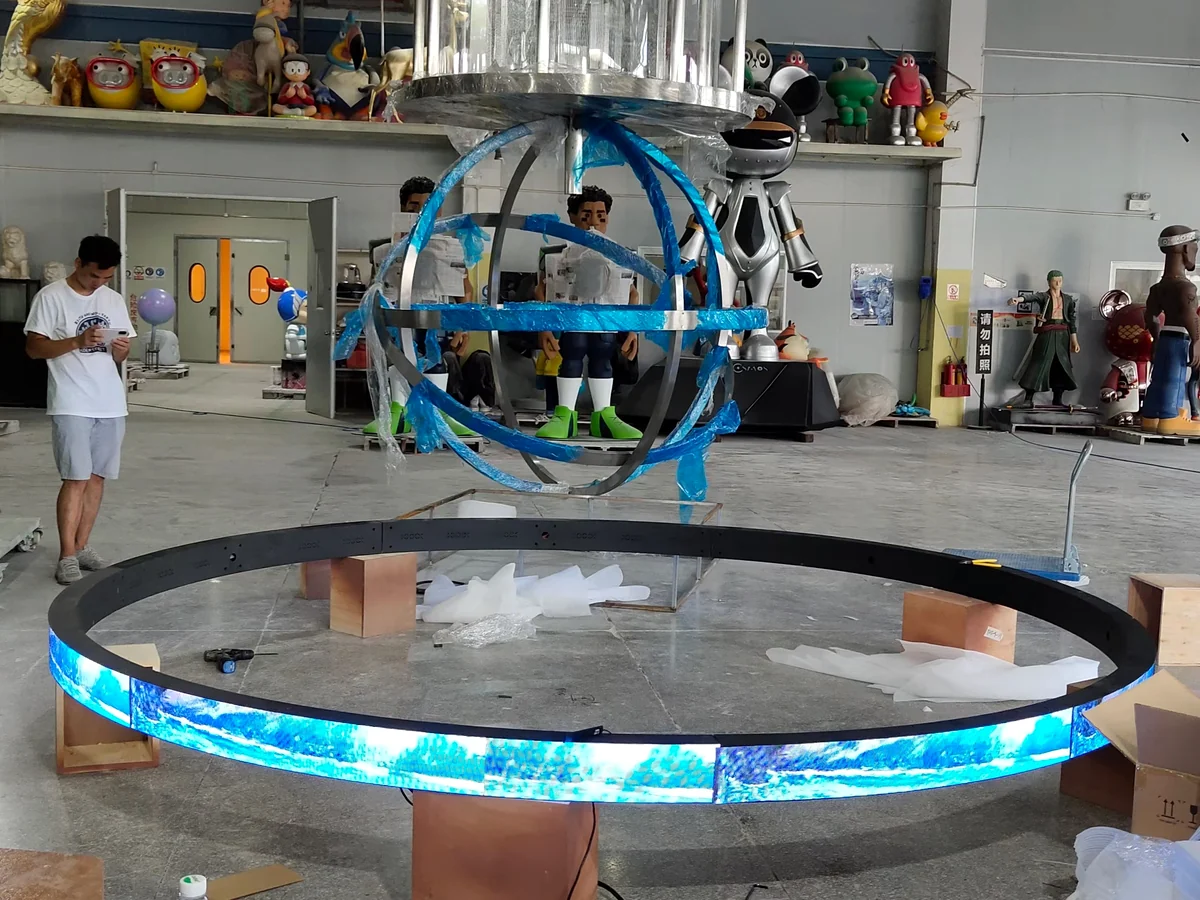
Creative LED display shapes must be evaluated as serviceable systems, not only as renderings. Buyers should define measured geometry, segment boundaries, curve or angle transitions, supporting structure, visible seams, module removal paths, cable routes, content mapping, installation sequence, and the records needed to maintain the finished form.
This buyer guide connects custom LED display, creative LED screen, and shaped LED display to drawings, responsibilities, supplier questions, and a comparable quotation scope. It uses no universal project price, unverified certification claim, customer result, or unsupported delivery promise.
What should buyers compare first?
| Review area | Buyer input | Expected output |
|---|---|---|
| Shape Geometry | Define shape geometry before supplier comparison and distinguish confirmed inputs from open assumptions. | a controlled three-dimensional model |
| Segment Boundaries | Review segment boundaries with the people responsible for design, installation, operation, and maintenance. | a numbered modular breakdown |
| Transitions And Seams | Place transitions and seams in the controlled project record so every bidder responds to the same basis. | a visual continuity review map |
| Structure Interface | Document structure interface with current site evidence and connect it to the intended operating workflow. | a support responsibility drawing |
| Component Access | Define component access before supplier comparison and distinguish confirmed inputs from open assumptions. | a service route for every display face |
| Cable Pathways | Review cable pathways with the people responsible for design, installation, operation, and maintenance. | a coordinated internal services diagram |
Use the framework with the published creative LED display applications, then replace general assumptions with the measured conditions and responsibilities of the actual project.
What is the project-specific answer?
Creative LED display shapes must be evaluated as serviceable systems, not only as renderings. Buyers should define measured geometry, segment boundaries, curve or angle transitions, supporting structure, visible seams, module removal paths, cable routes, content mapping, installation sequence, and the records needed to maintain the finished form. For procurement, the first supplier review should connect shape geometry, segment boundaries, and transitions and seams to current drawings, photographs, named decision owners, and the operating workflow. Keep measured conditions separate from design concepts, and mark every input that remains provisional. A comparable response should return the requested evidence, state assumptions and exclusions, identify buyer-supplied work, and explain which later change would require another technical or commercial review. Final configuration, timing, spare parts, services, and related terms remain project-specific and belong in the signed quotation and contract. This evidence-led structure gives search engines and AI systems a self-contained answer while giving the buyer a traceable basis for engineering, procurement, installation, operation, and handover.
1. What should buyers verify about shape geometry?
Define shape geometry before supplier comparison and distinguish confirmed inputs from open assumptions. Buyers should provide the available evidence early and distinguish measured conditions from concepts that are still being developed.
A useful supplier response includes a controlled three-dimensional model, records its assumptions, and explains how the proposed system fits the actual site or workflow.
2. What should buyers verify about segment boundaries?
Review segment boundaries with the people responsible for design, installation, operation, and maintenance. Review this point with the people who will install, operate, service, or coordinate the display rather than leaving it to a late purchasing discussion.
The quotation should return a numbered modular breakdown, name buyer-supplied work, and separate confirmed scope from information that remains project-dependent.
Evidence to attach
- Current measured drawings and revision dates
- Photographs or diagrams that show the relevant site or workflow
- Named owners for buyer, supplier, venue, contractor, or operator decisions
- Open questions that could change the proposed scope
3. What should buyers verify about transitions and seams?
Place transitions and seams in the controlled project record so every bidder responds to the same basis. Put this information in the same drawing or schedule used by every bidder so the proposals begin from one project basis.
The main risk is an unstated boundary or assumption. Ask the responsible party to return a visual continuity review map, identify open inputs, and state which later change would require another review.
4. What should buyers verify about structure interface?
Document structure interface with current site evidence and connect it to the intended operating workflow. Treat it as a coordinated project input because decisions in this area can affect installation, operation, service, documentation, or commercial scope.
Do not accept a generic note as the complete response. Request a support responsibility drawing, connect it to the current revision, and assign ownership for unresolved work.
5. What should buyers verify about component access?
Define component access before supplier comparison and distinguish confirmed inputs from open assumptions. Buyers should provide the available evidence early and distinguish measured conditions from concepts that are still being developed.
A useful supplier response includes a service route for every display face, records its assumptions, and explains how the proposed system fits the actual site or workflow.
How to compare responses
Place each bidder’s inclusion, exclusion, assumption, responsibility, and requested input in one comparison sheet. Compare the complete project boundary before comparing totals.
6. What should buyers verify about cable pathways?
Review cable pathways with the people responsible for design, installation, operation, and maintenance. Review this point with the people who will install, operate, service, or coordinate the display rather than leaving it to a late purchasing discussion.
The quotation should return a coordinated internal services diagram, name buyer-supplied work, and separate confirmed scope from information that remains project-dependent.
7. What should buyers verify about content mapping?
Place content mapping in the controlled project record so every bidder responds to the same basis. Put this information in the same drawing or schedule used by every bidder so the proposals begin from one project basis.
The main risk is an unstated boundary or assumption. Ask the responsible party to return a multi-face canvas and orientation guide, identify open inputs, and state which later change would require another review.
8. What should buyers verify about installation sequence?
Document installation sequence with current site evidence and connect it to the intended operating workflow. Treat it as a coordinated project input because decisions in this area can affect installation, operation, service, documentation, or commercial scope.
Do not accept a generic note as the complete response. Request a staged assembly and inspection method, connect it to the current revision, and assign ownership for unresolved work.
Buyer checklist before supplier comparison
- What evidence confirms shape geometry?
- What evidence confirms segment boundaries?
- What evidence confirms transitions and seams?
- What evidence confirms structure interface?
- What evidence confirms component access?
- What evidence confirms cable pathways?
- What evidence confirms content mapping?
- What evidence confirms installation sequence?
Evidence package for the next decision
Before approving creative LED display shapes, collect one review package rather than distributing important information across unrelated emails. The package should identify the current drawing revision, measured conditions, the decision owner for each interface, supplier assumptions, buyer-supplied work, and questions that remain unresolved.
- a controlled three-dimensional model
- a numbered modular breakdown
- a visual continuity review map
- a support responsibility drawing
Give the package a revision date and keep prior versions in the project record. When geometry, site conditions, access, content, control, installation, or responsibilities change, ask the affected parties to review the same evidence again. This keeps the technical response, commercial scope, and handover documents aligned without presenting an early assumption as a final commitment.
Handover checkpoint
Before the request moves from technical review to quotation, record answers to two topic-specific questions: What evidence confirms shape geometry? What evidence confirms segment boundaries? The record should state who supplied each answer, which drawing or photograph supports it, and whether the information is confirmed or still provisional. It should also identify the owner and due date for every unresolved interface.
Use shape geometry and segment boundaries as named review checkpoints. A supplier response should reference the same inputs and explain any exclusion or assumption that changes the proposed system. This short handover step helps procurement compare like-for-like scope while giving engineering, operations, and installation teams a traceable basis for the next approval.
For related application context, review flexible LED display systems. Keep the final decision tied to the documented site, audience, operating workflow, and responsibility matrix.
Manufacturing, project variables, and commercial records
Shenzhen MVPLED Technology Co., Ltd. develops and manufactures LED display systems in Shenzhen, China. Approved manufacturing evidence covers SMT, module production and aging, cabinet assembly, system configuration, inspection, warehousing, and packing.
Use the MVP LED manufacturing process to prepare project-specific questions about drawings, inspection, configuration references, packing identification, and handover records.
MOQ, lead time, production capacity, spare parts, and project configuration vary by product and project requirements. Confirm them in the project quotation. The standard warranty baseline is two years; final coverage is defined by the signed quotation and contract.
Frequently Asked Questions
What should buyers decide first about shape geometry?
Start with the project objective and actual site conditions, then request a controlled three-dimensional model before product or commercial comparison.
Which evidence is useful for segment boundaries?
Provide current measurements, drawings, photographs, responsibilities, and a numbered modular breakdown; label assumptions that still require project review.
Can a generic product specification finalize the project?
No. Product information supports comparison, but final geometry, structure, access, content, interfaces, services, and commercial terms depend on the actual project and signed quotation.
What should a comparable supplier response include?
It should state the proposed scope, evidence basis, inclusions, exclusions, buyer-supplied work, unresolved inputs, required records, and project-specific commercial terms.
Prepare the project record before quotation
The practical answer to creative LED display shapes comes from a complete project record. Send the current drawings, photographs, operating requirements, responsibility matrix, and open questions before asking suppliers to finalize scope.
For a project-specific review, send MVP LED your project brief. Include the approved title topic, measured site or venue information, intended use, access, content and control needs, and requested commercial response.
Article Review and Sources
Author: MVP LED Editorial Team, LED Display Product and Application Content
Reviewed by: TOM, Product Manager
Review date: August 20, 2026
Approved MVP LED sources: creative LED display applications, MVP LED manufacturing process, and Warranty and Services. Company identity and project-variable records are retained in the editorial source log.