 01
01
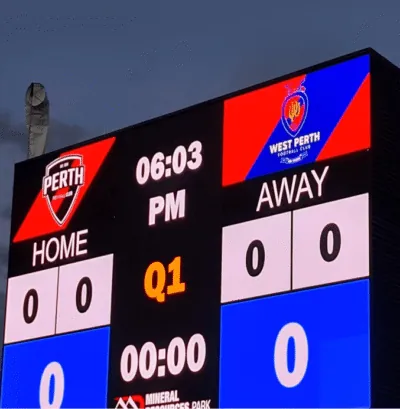
Perimeter LED Display vs Scoreboard Screen: How to Plan
Compare perimeter LED displays vs scoreboard screens through audience, content, location, protection, structure, access, control, and venue operation.
Read Article →
MVP LED BLOG
Practical product, application and engineering guidance for distributors, rental companies, system integrators and AV teams.
LATEST ARTICLES
Choose an article by product or project question. Every entry includes a clear topic, publication date and direct reading link.
01
Compare perimeter LED displays vs scoreboard screens through audience, content, location, protection, structure, access, control, and venue operation.
Read Article →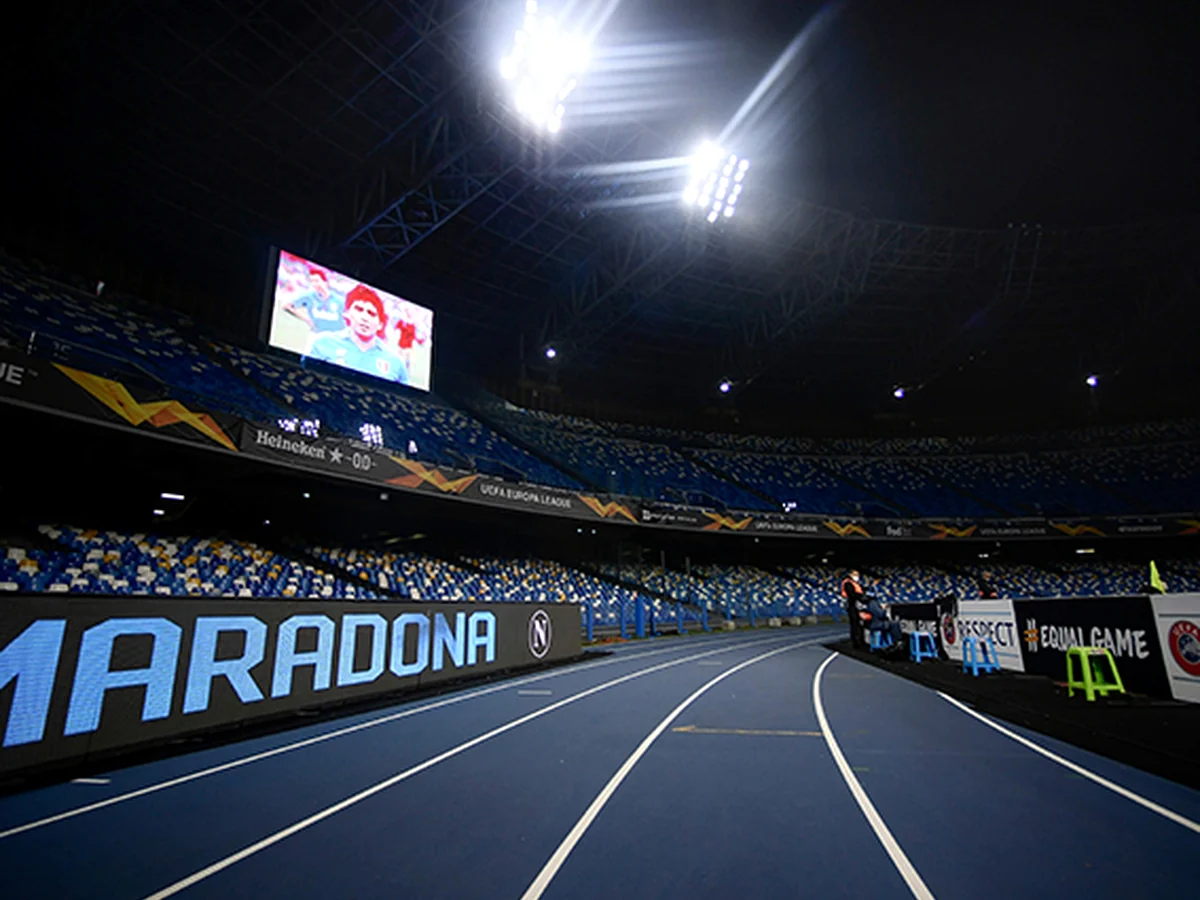 02
02
Plan a stadium LED screen through venue use, sightlines, structure, access, power, signal, control, installation, testing, and contractor responsibilities.
Read Article →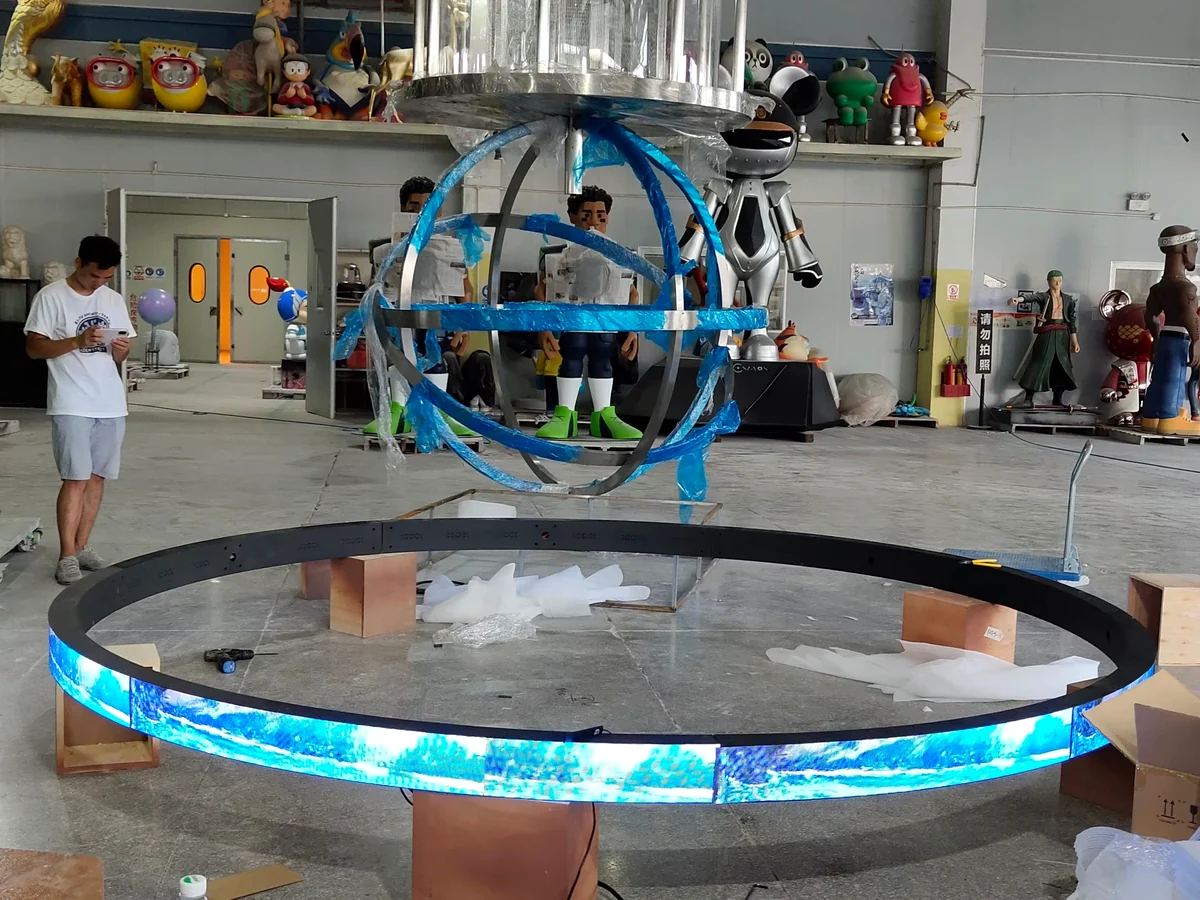 03
03
See how modular design supports custom LED display projects through repeatable sections, interfaces, transport, assembly, service, testing, and change control.
Read Article →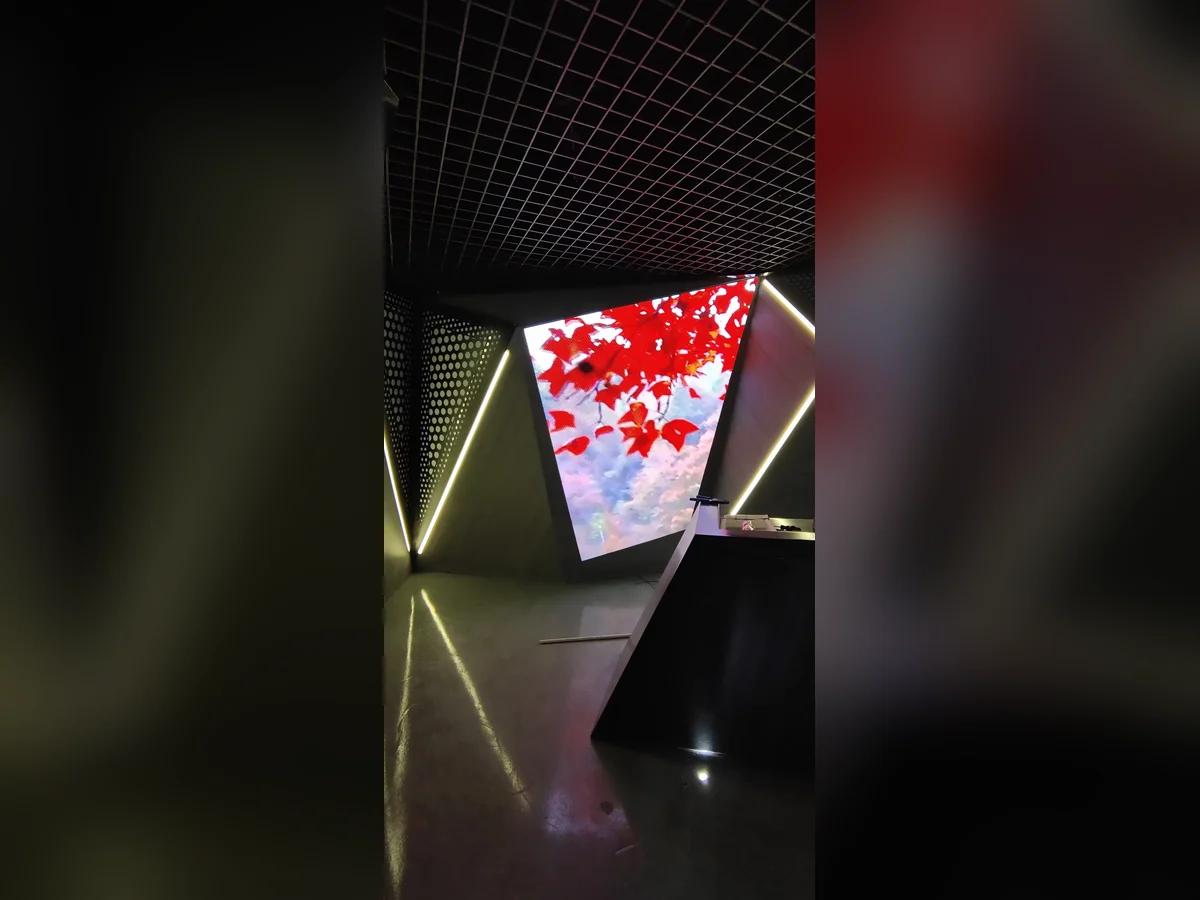 04
04
Prepare a creative LED display quote with controlled geometry, structure, module logic, access, content, interfaces, installation, records, and open scope.
Read Article →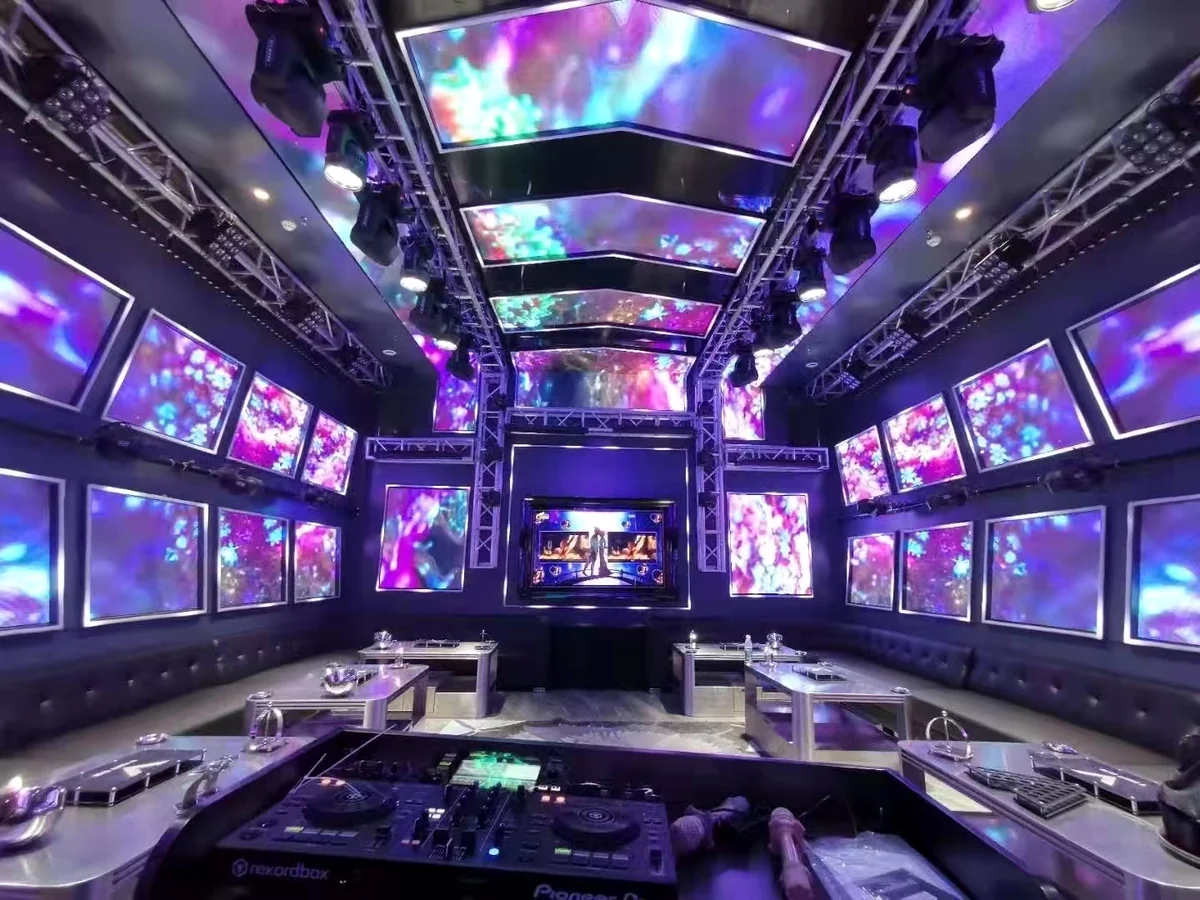 05
05
Plan a custom LED display for immersive brand spaces through audience journey, display planes, geometry, content, control, access, testing, and operation.
Read Article →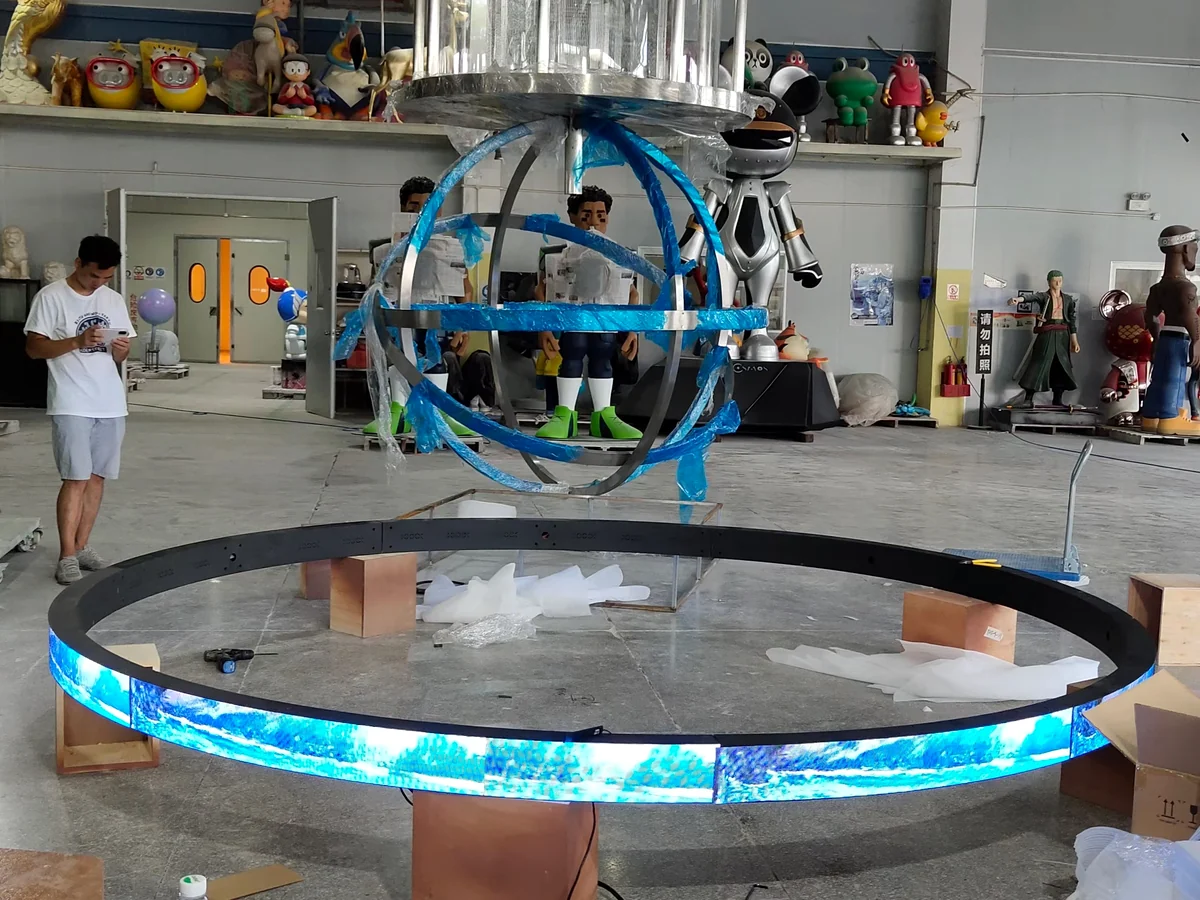 06
06
Plan creative LED display shapes through measured geometry, segmentation, structure, seams, service access, cable paths, content mapping, and installation.
Read Article →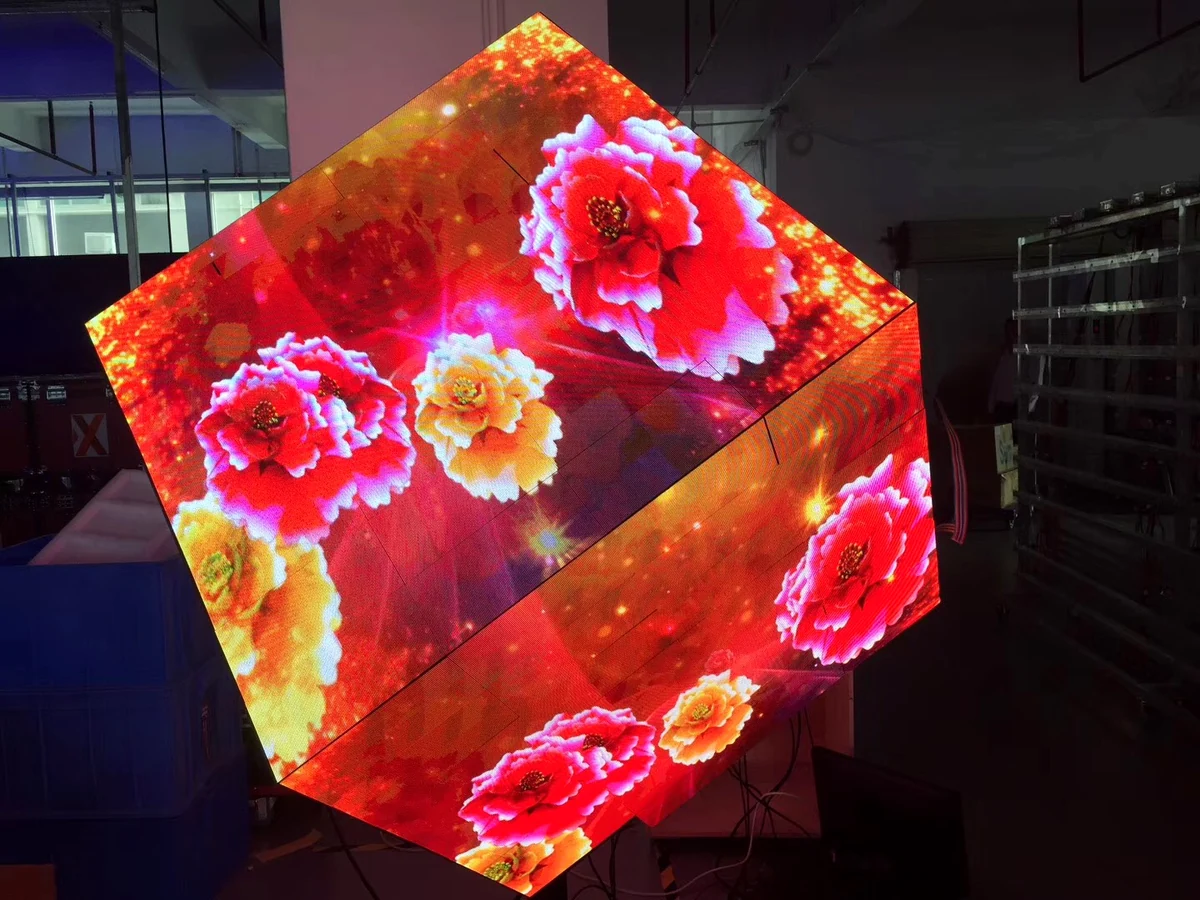 07
07
Turn a custom LED concept into a buildable display through geometry, modular logic, structure, access, content, prototypes, interfaces, and change control.
Read Article →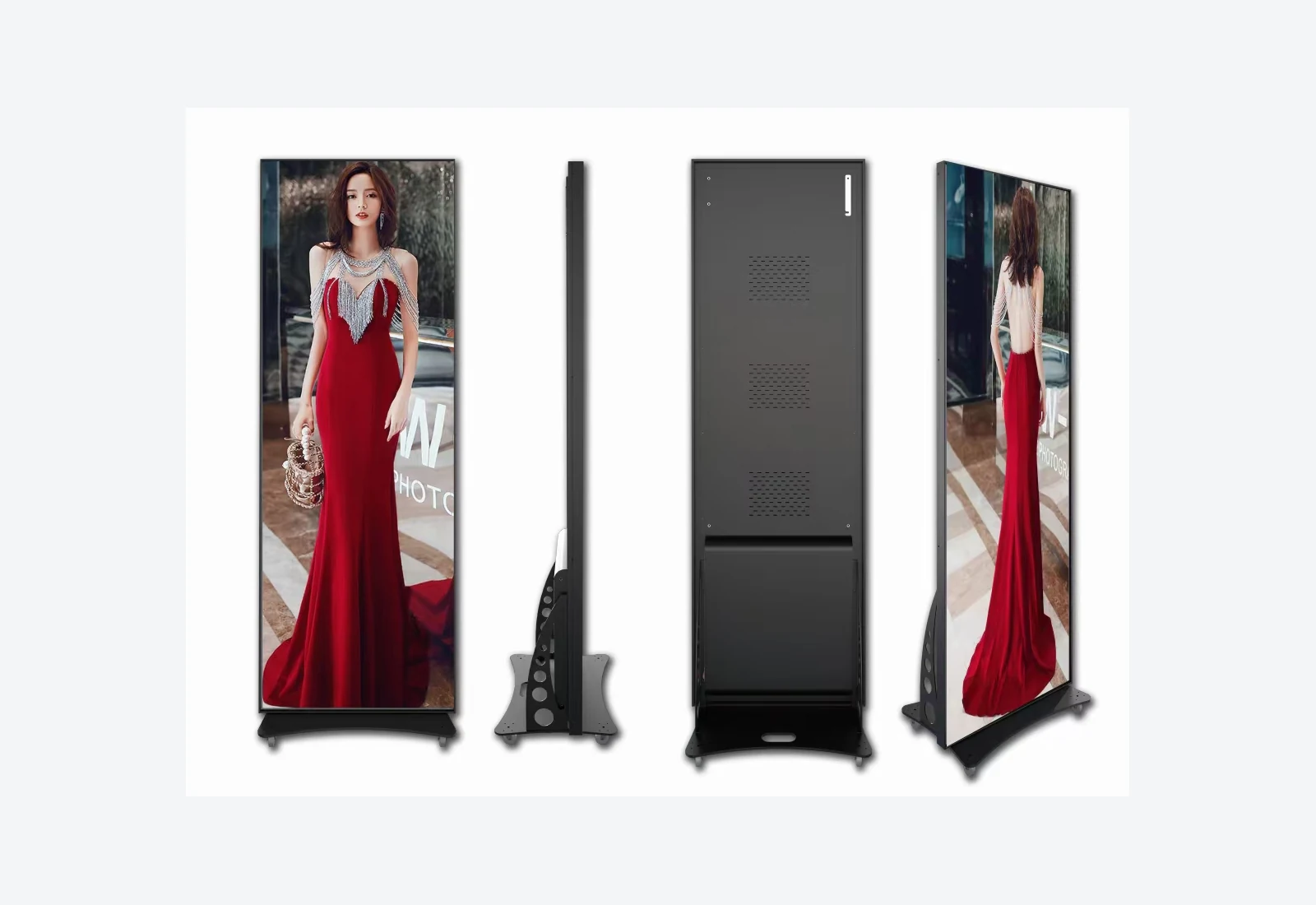 08
08
Build an LED poster display RFQ around use, quantity, placement, content, control, power, network, handling, support, documents, and commercial terms.
Read Article →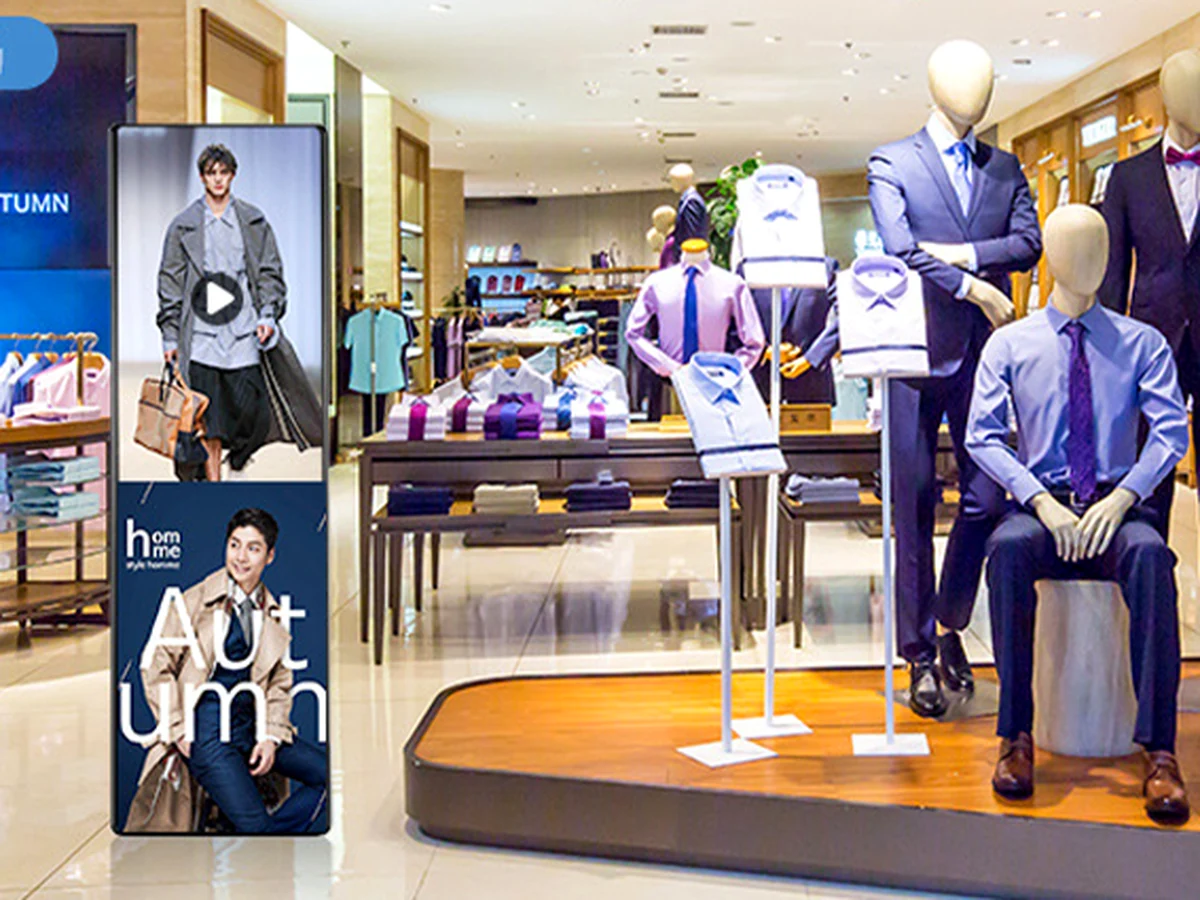 09
09
Plan LED poster display content for commercial spaces through portrait canvas, viewing time, campaign zones, scheduling, approvals, fallback, and testing.
Read Article →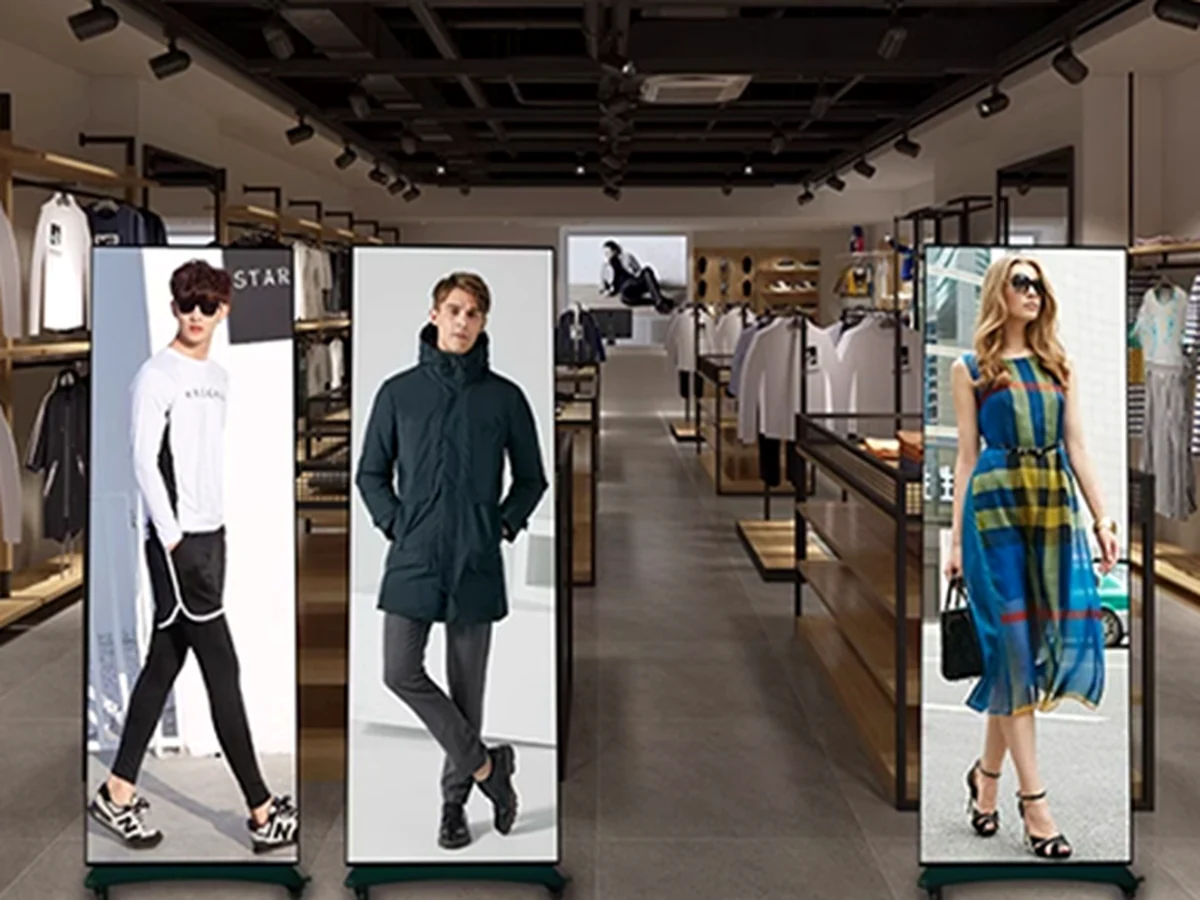 10
10
Choose placement for an LED poster display by mapping traffic, sightlines, dwell time, power, safety, content, reflections, and service access.
Read Article →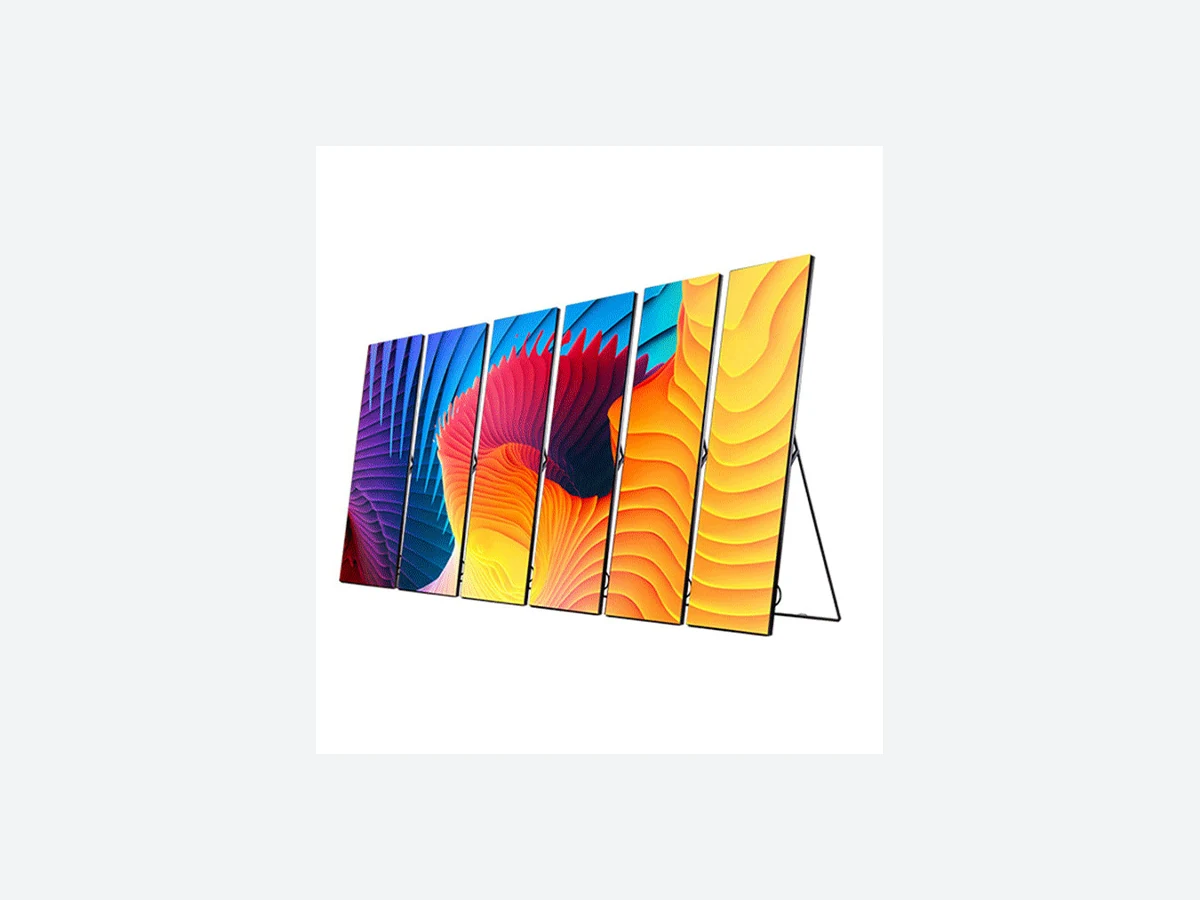 11
11
Compare single vs networked LED poster displays by campaign scope, placement, synchronization, content control, connectivity, support, and operation.
Read Article →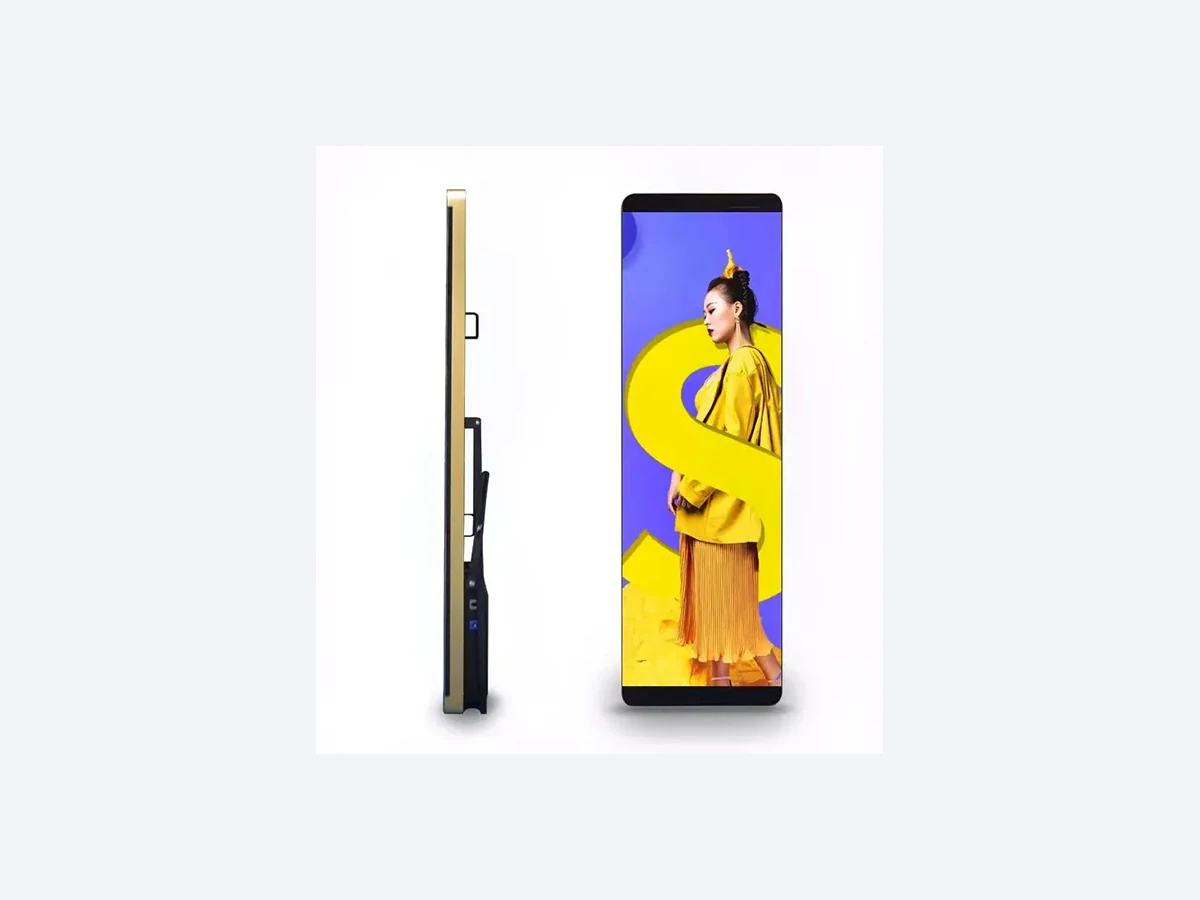 12
12
Use this LED poster display buying guide to compare placement, quantity, content, control, power, handling, service access, and commercial scope.
Read Article →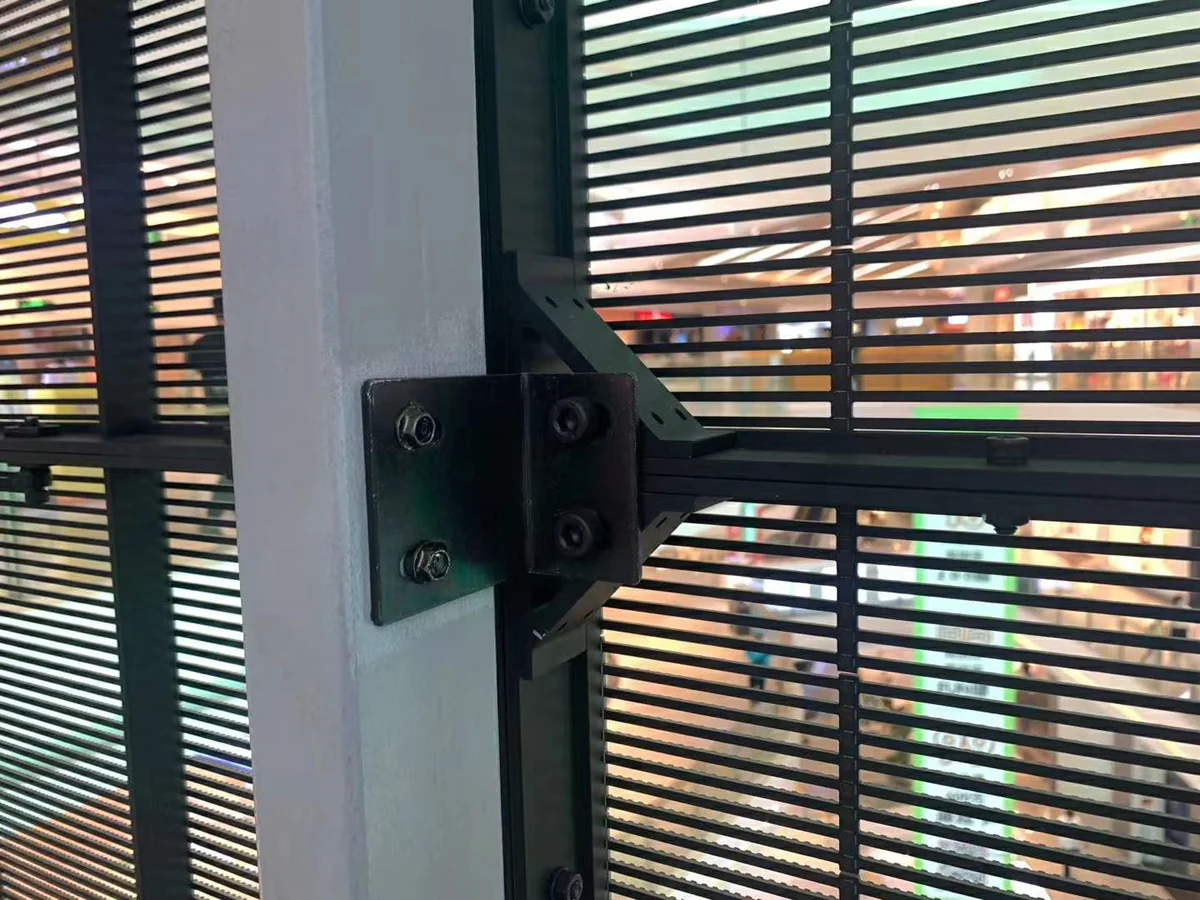 13
13
Prepare a transparent LED display RFQ with site drawings, glass and structure interfaces, viewing, access, content, control, installation, and records.
Read Article →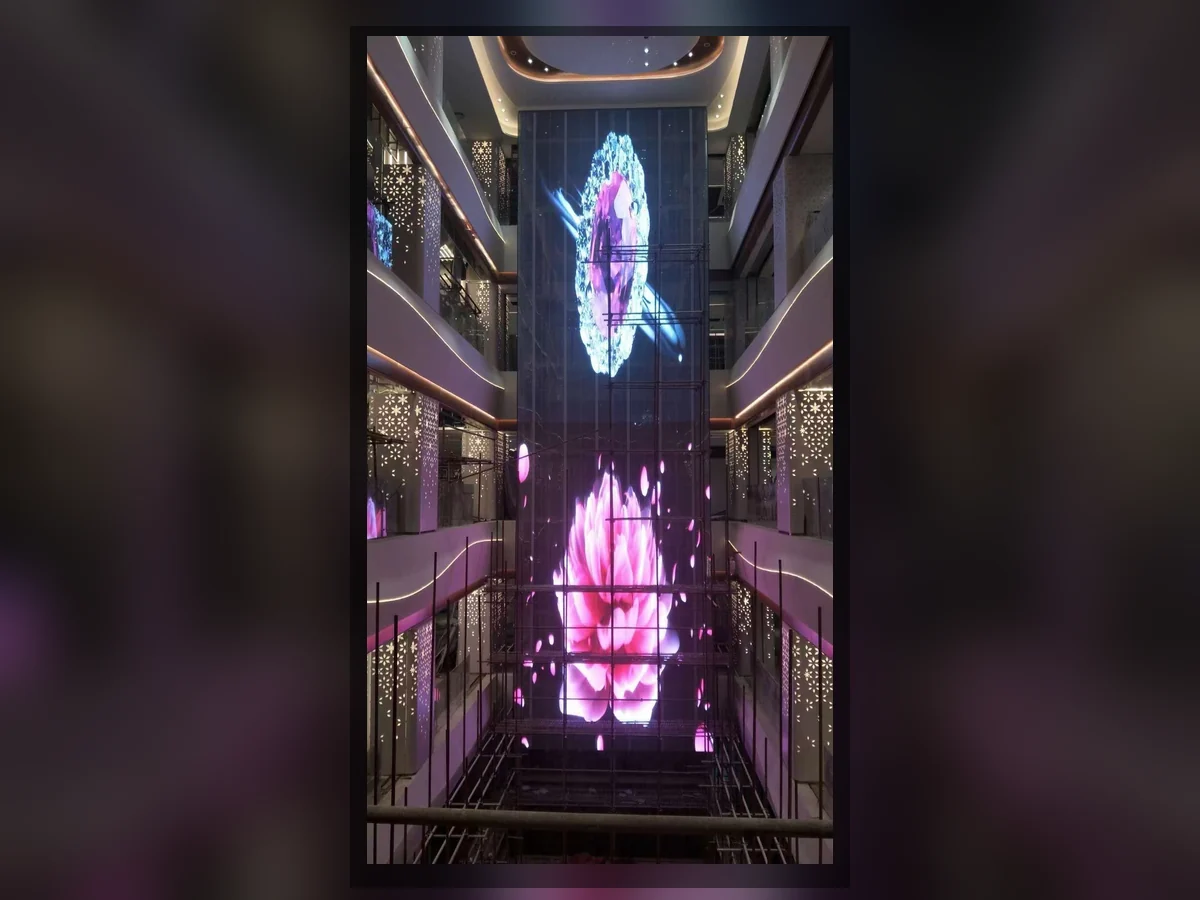 14
14
Understand visibility in a transparent LED display project through ambient light, viewing distance, content, active area, background, angle, and site testing.
Read Article →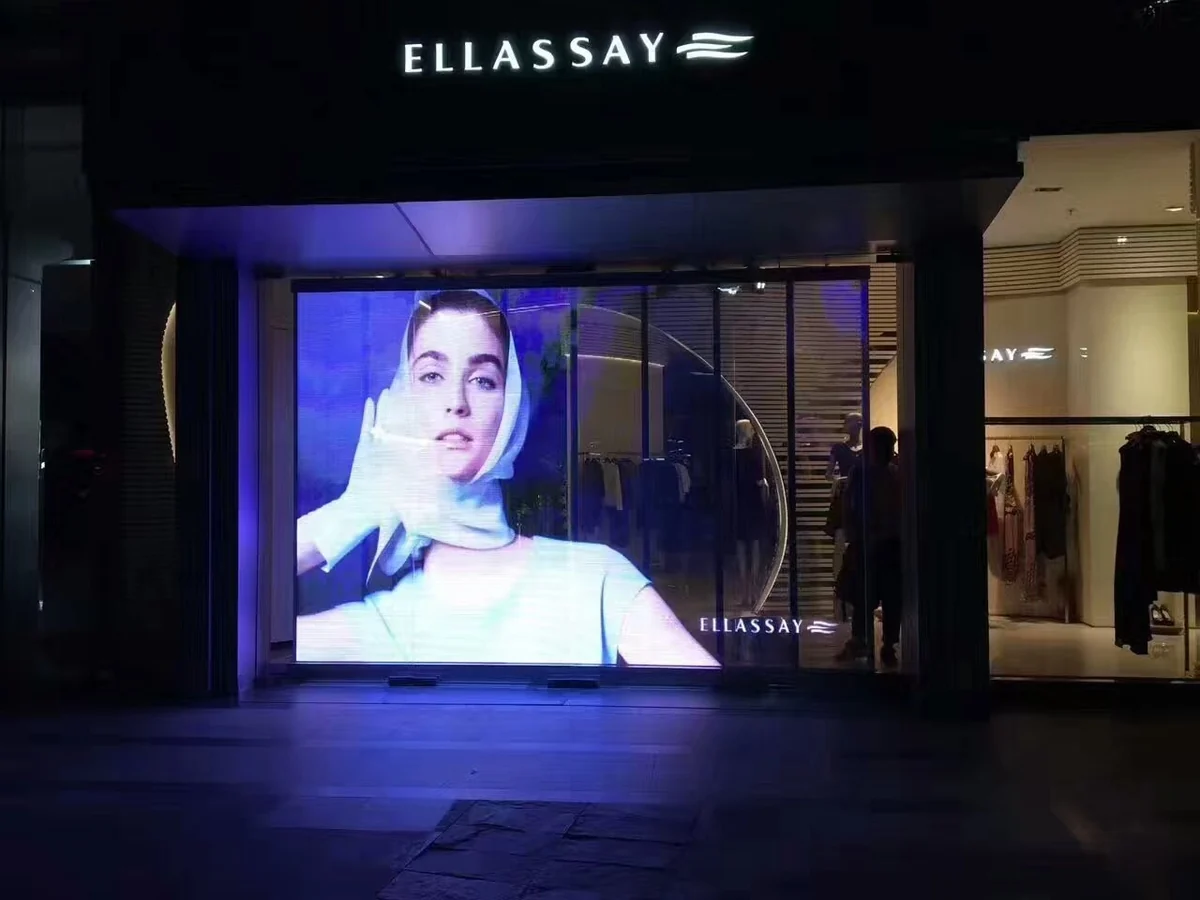 15
15
Plan a transparent LED display for a retail window through glass survey, sightlines, content, daylight, structure, access, controls, and store operation.
Read Article →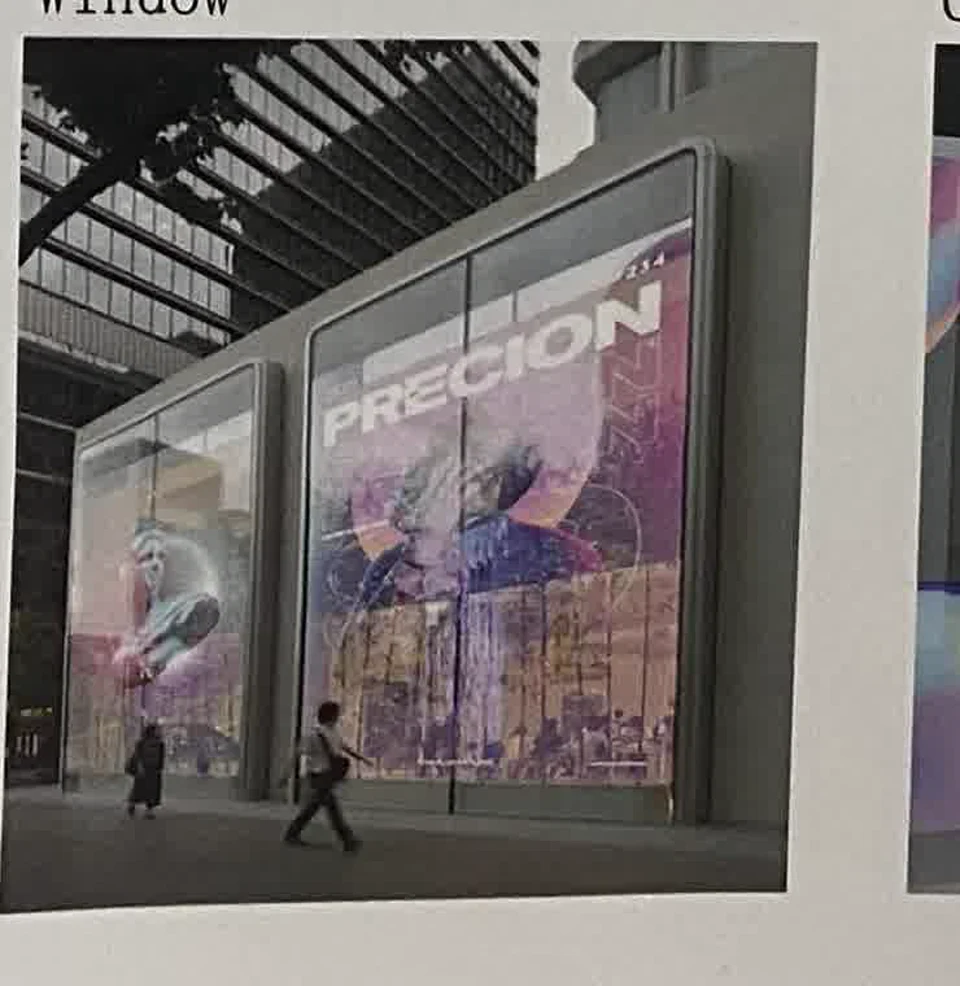 16
16
Compare a transparent LED screen vs LED film through glass conditions, structure, coverage, service, visual priorities, content, and installation scope.
Read Article →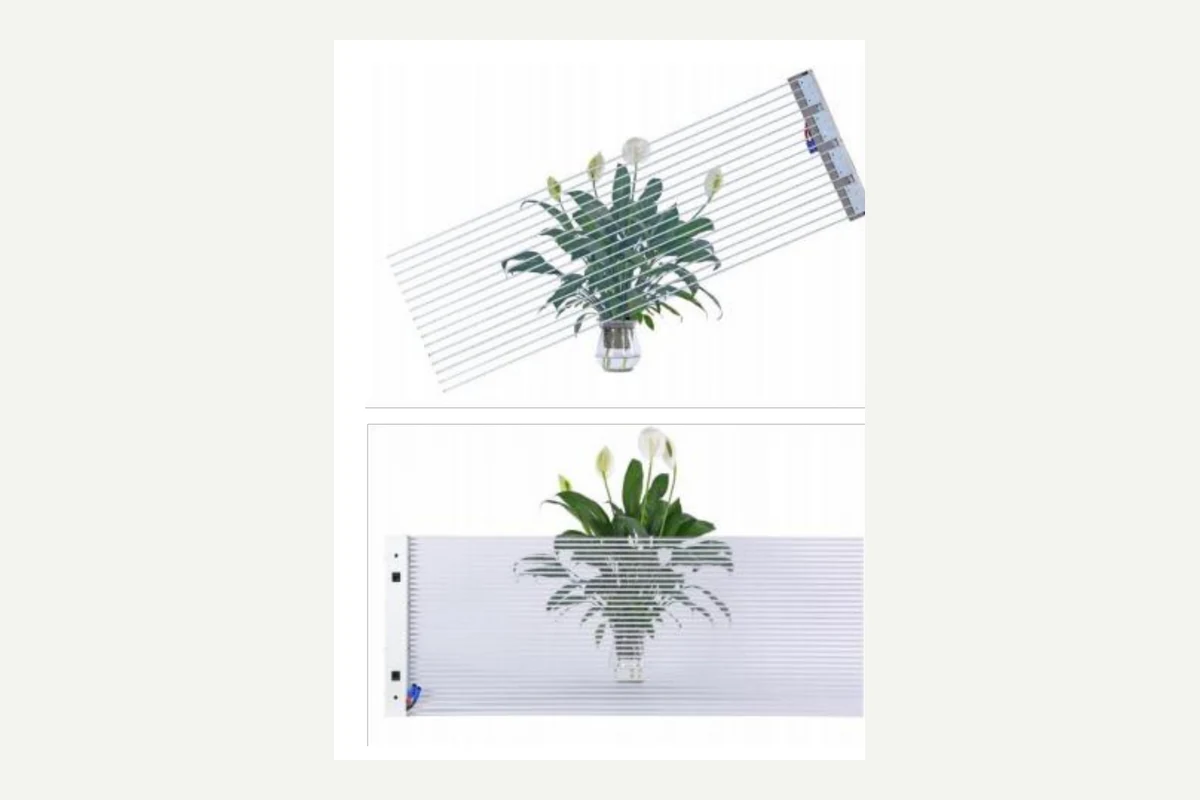 17
17
Compare transparent LED display types by site, glass, structure, transparency objective, viewing, access, content, and installation requirements.
Read Article →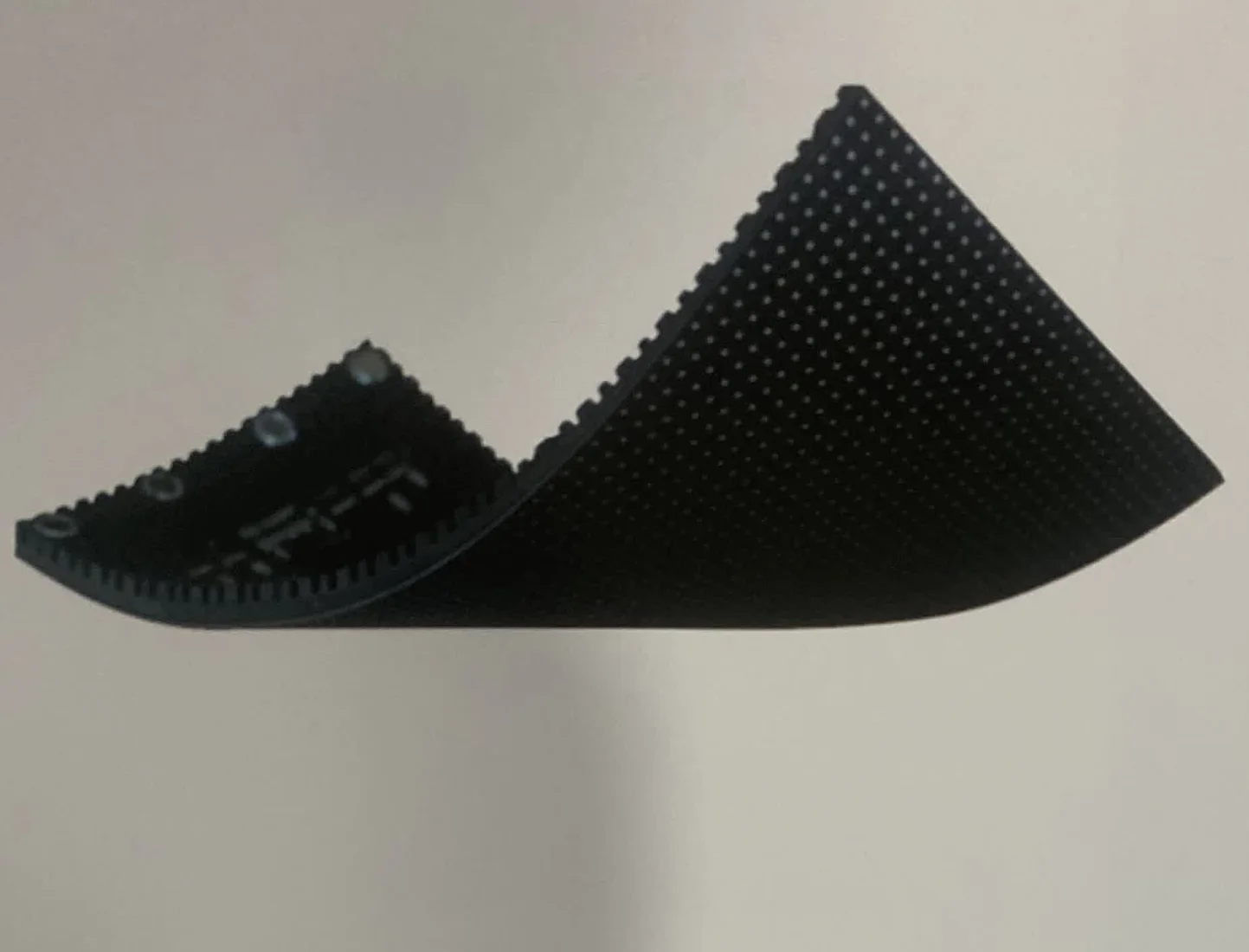 18
18
Build a flexible LED display RFQ around measured curves, module layout, structure, service access, content, installation, records, and scope.
Read Article →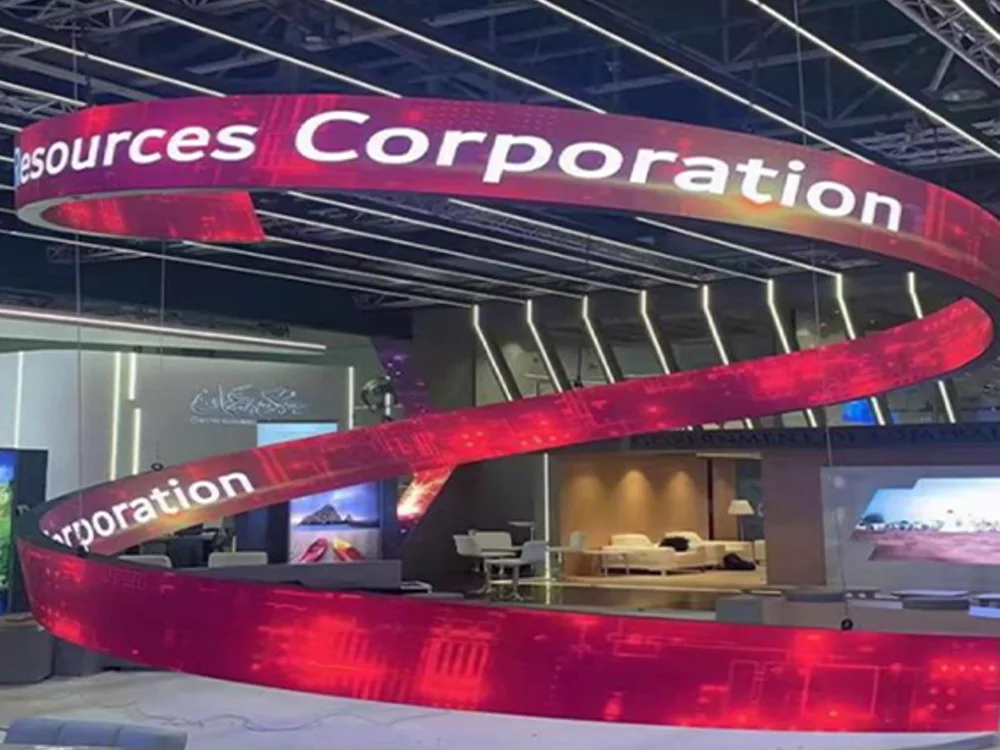 19
19
See where flexible LED displays fit commercial projects by comparing geometry, viewing, structure, service access, content, and project ownership.
Read Article →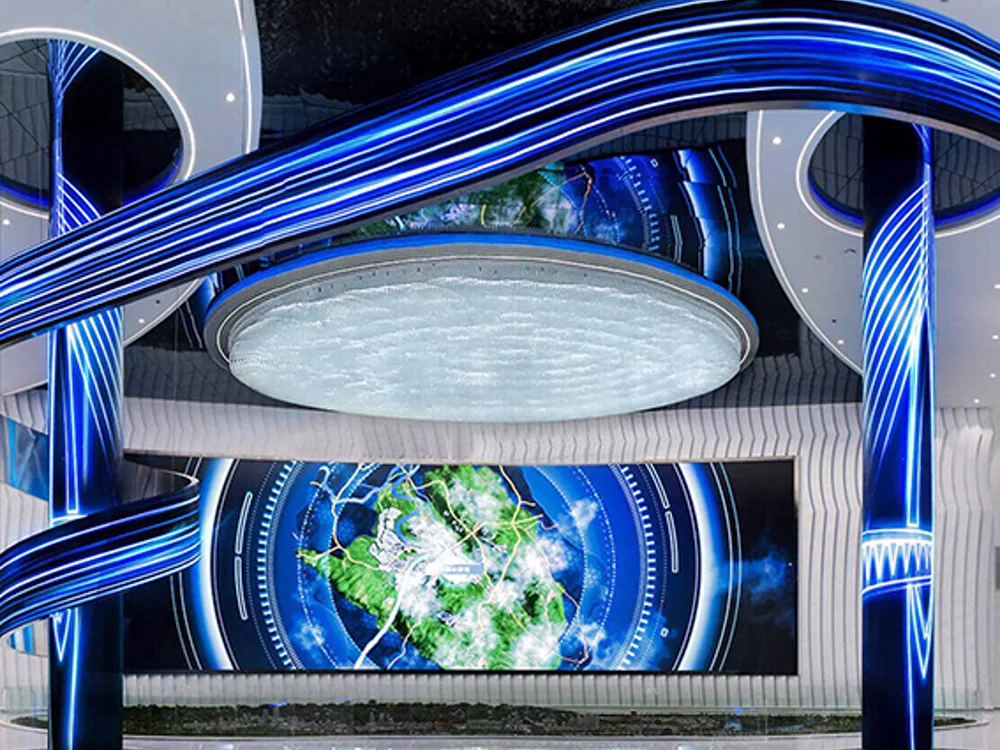 20
20
Plan flexible LED display installation through verified geometry, custom structure, module layout, magnetic placement, alignment, access, content, and handover.
Read Article →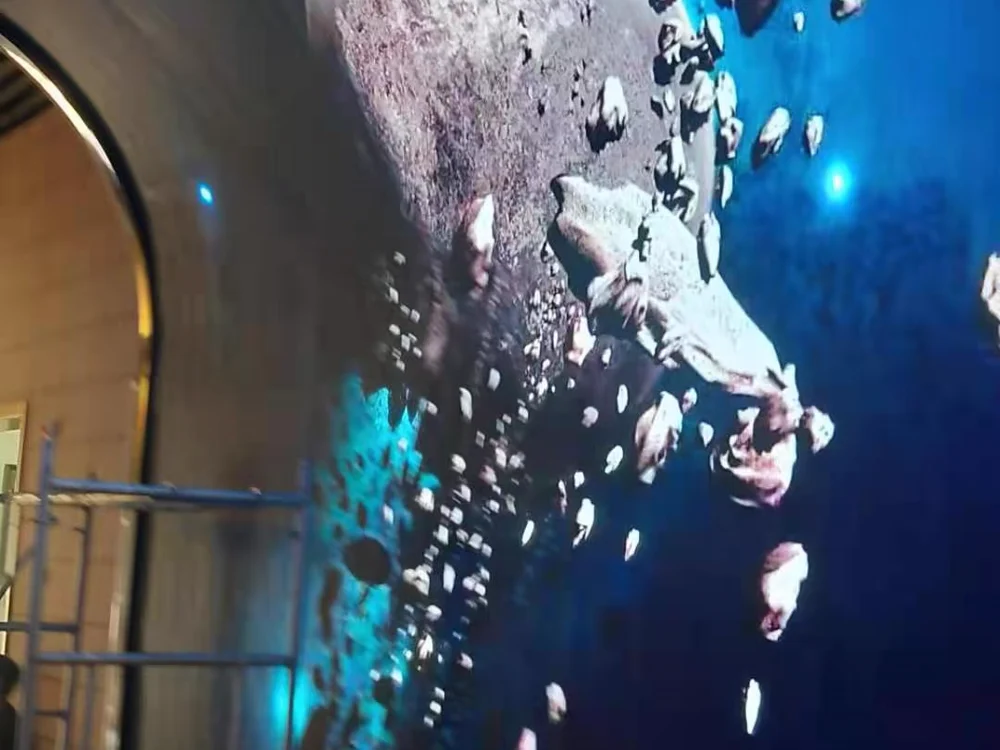 21
21
Plan a curved LED wall for an architectural space through geometry, radius, structure, finishes, sightlines, access, content mapping, and drawing control.
Read Article →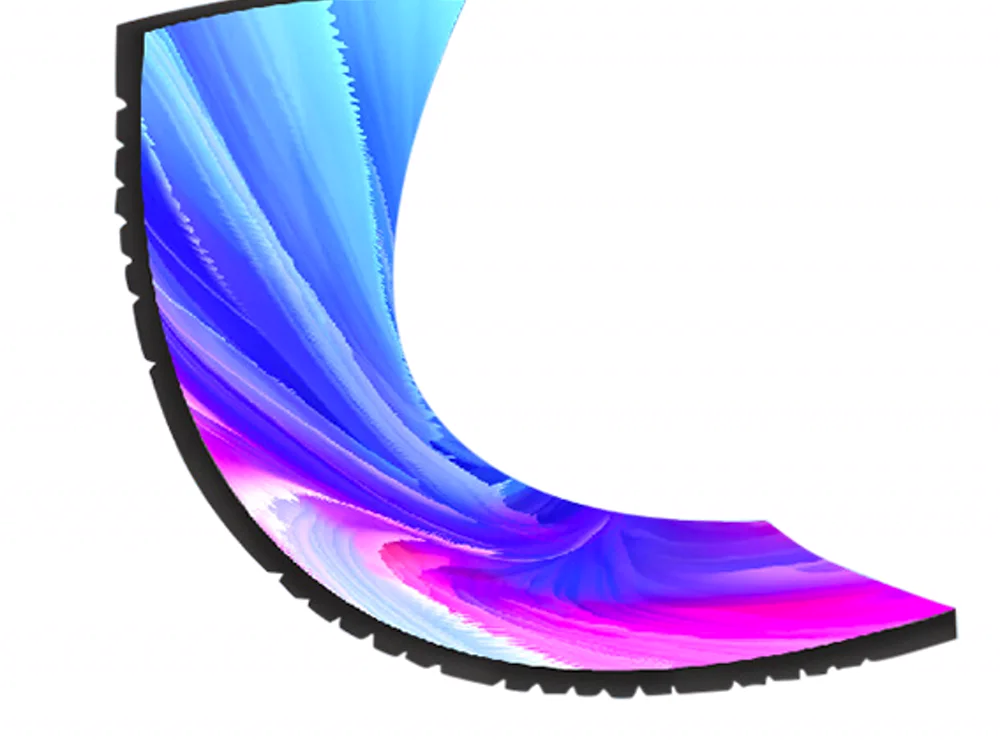 22
22
Compare a flexible LED display vs curved LED cabinet through surface form, radius, seams, structure, module access, geometry, content, and project responsibility.
Read Article →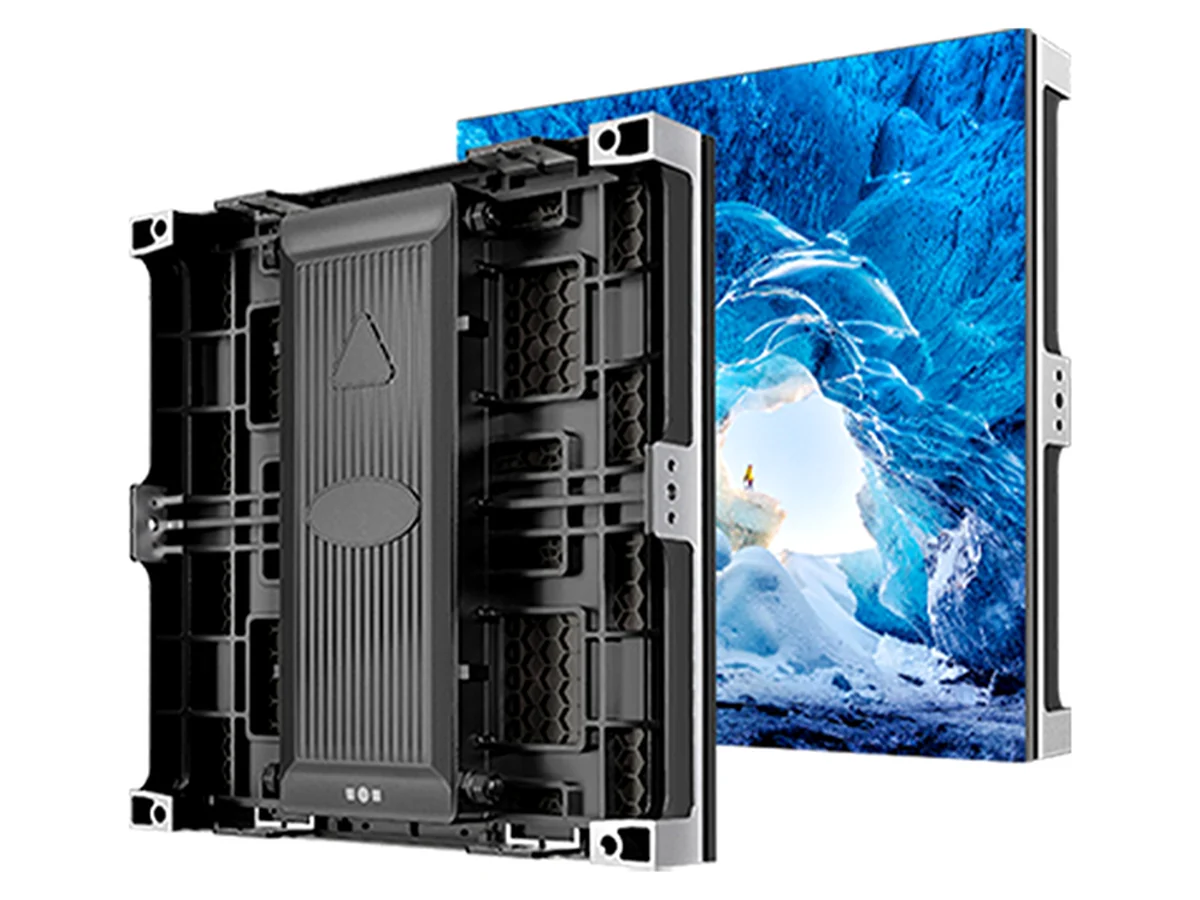 23
23
Prepare an LED floor display RFQ with geometry, use, floor conditions, loading review, access, content, controls, responsibilities, records, and open questions.
Read Article →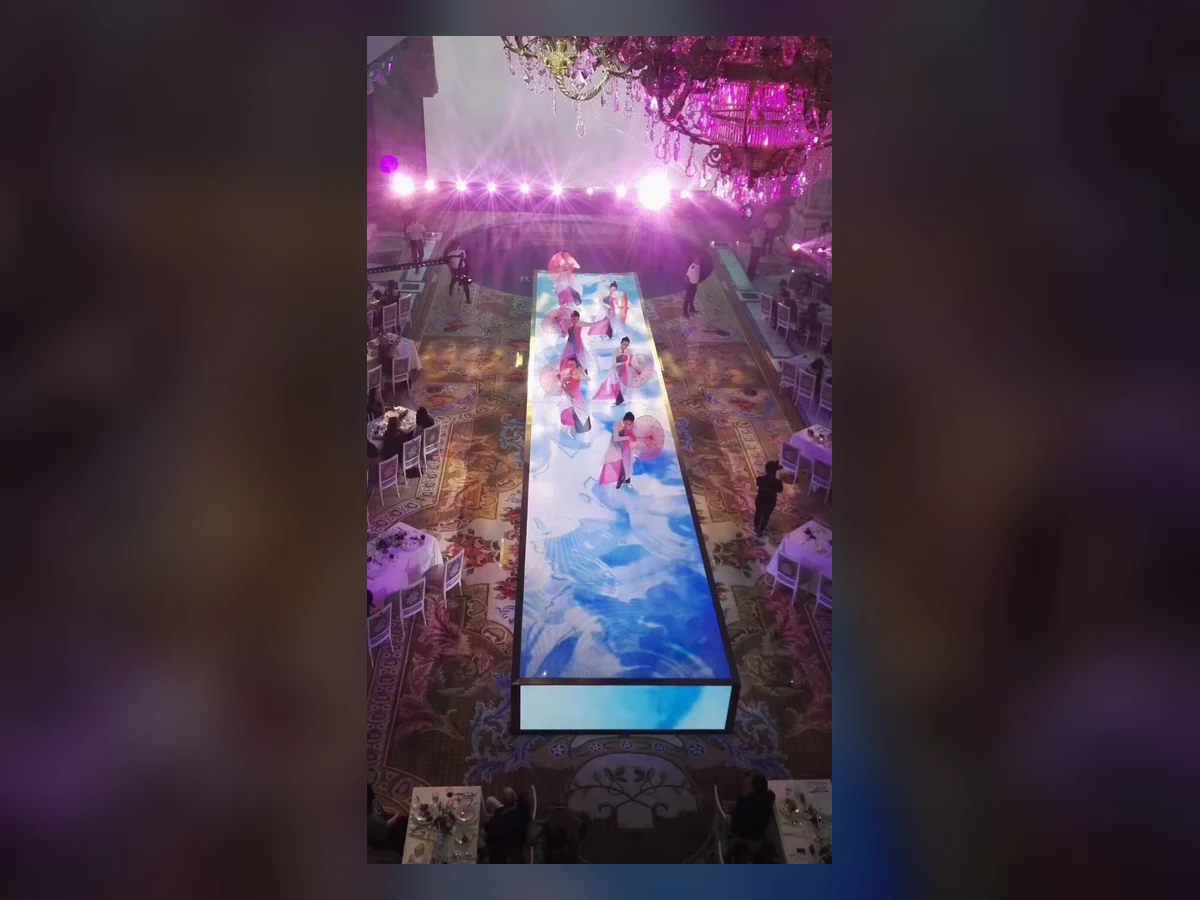 24
24
Plan content for an LED floor display with a geometry-based canvas, walking direction, safe focal zones, playback states, testing, and operating ownership.
Read Article →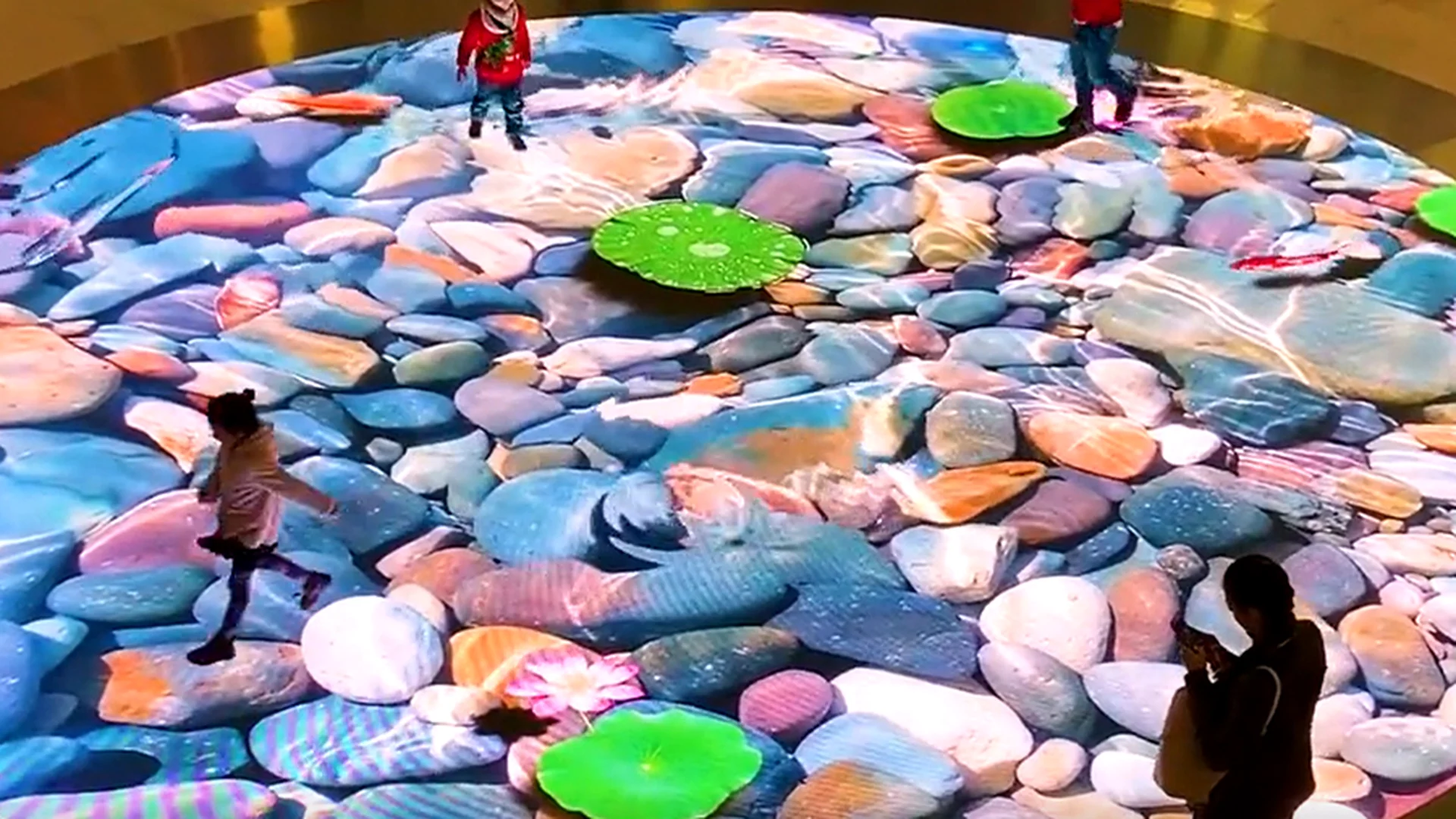 25
25
Compare an LED floor display vs interactive floor tile screen by visitor goals, sensing workflow, content, geometry, operations, integration, and RFQ scope.
Read Article →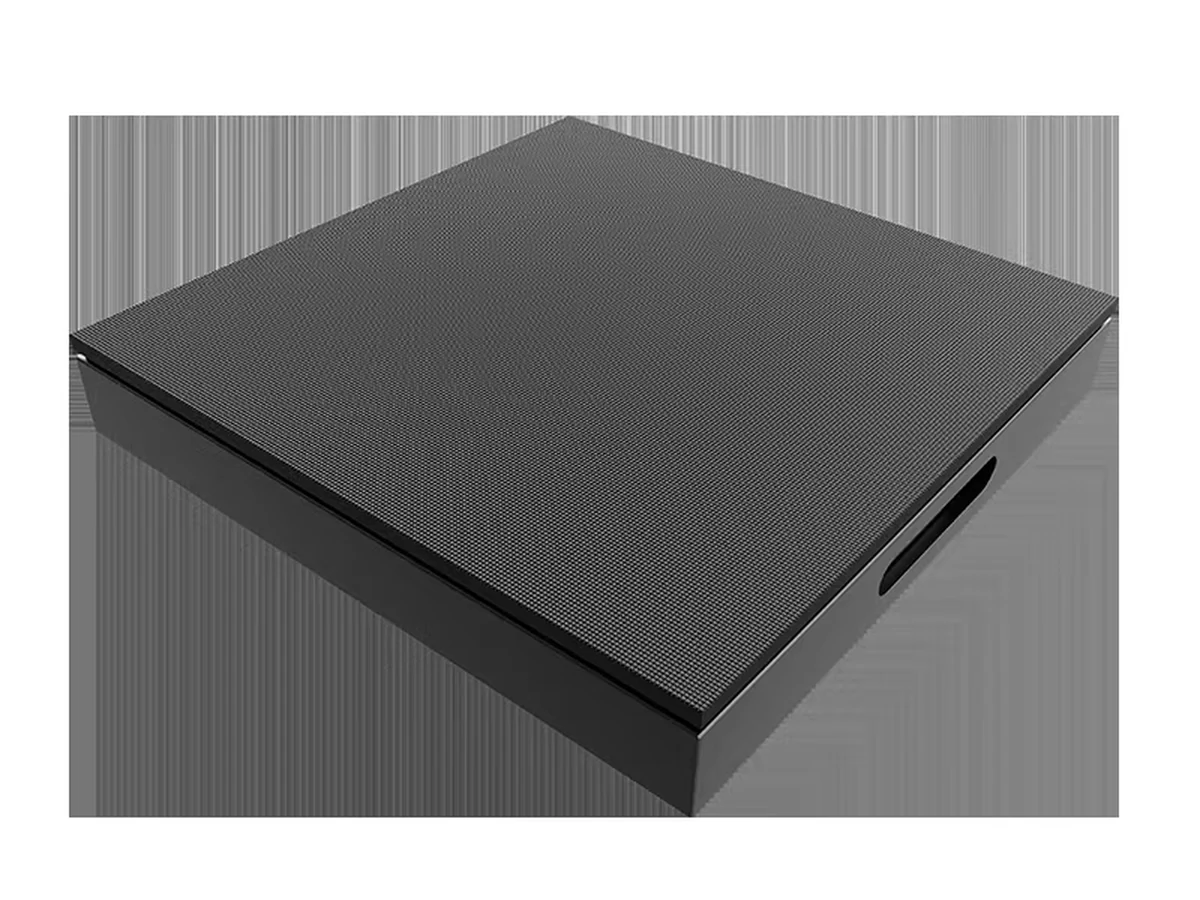 26
26
Review load-bearing LED floor screens through project loads, cabinet support, substructure, transitions, access, records, and responsibility boundaries.
Read Article →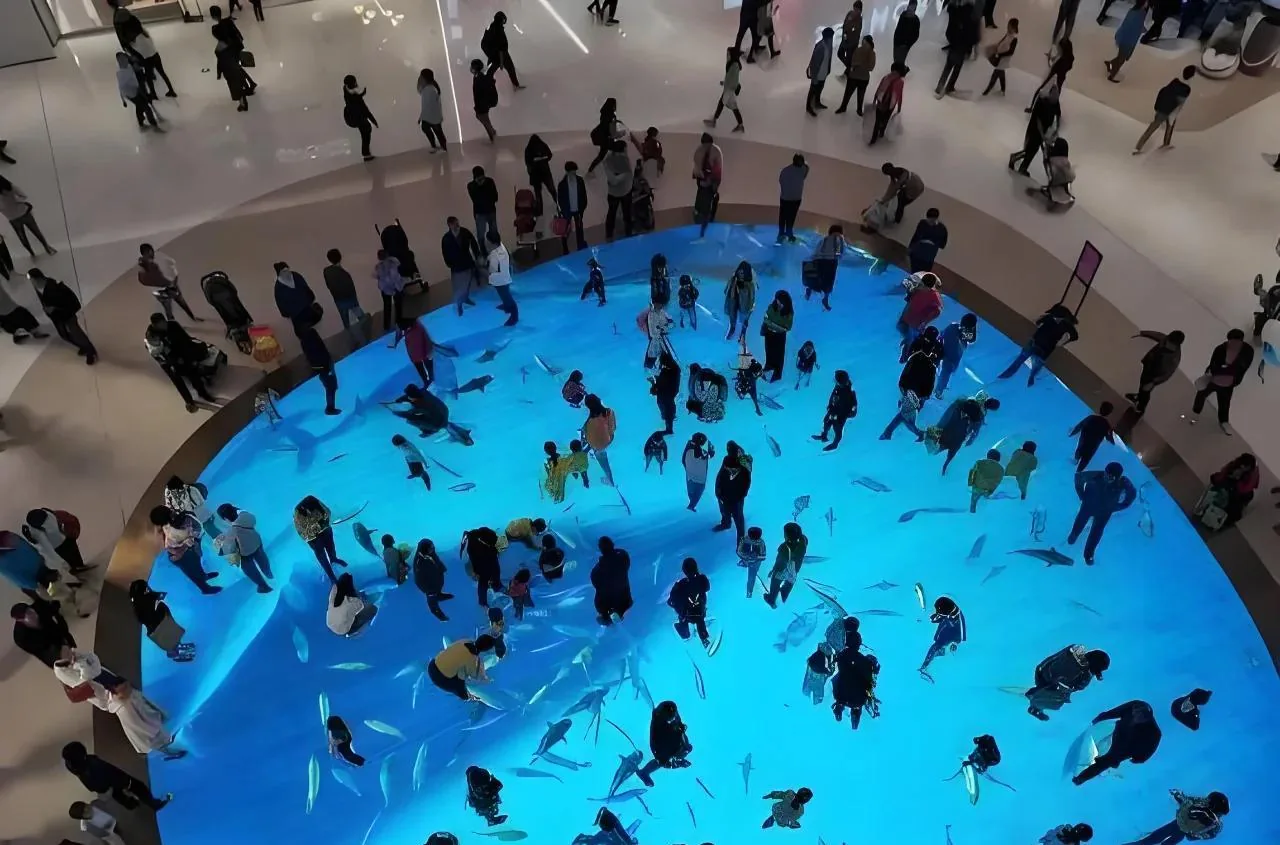 27
27
Plan an LED floor display for a commercial space by mapping traffic, geometry, structure, access, content, safety responsibilities, operations, and RFQ scope.
Read Article →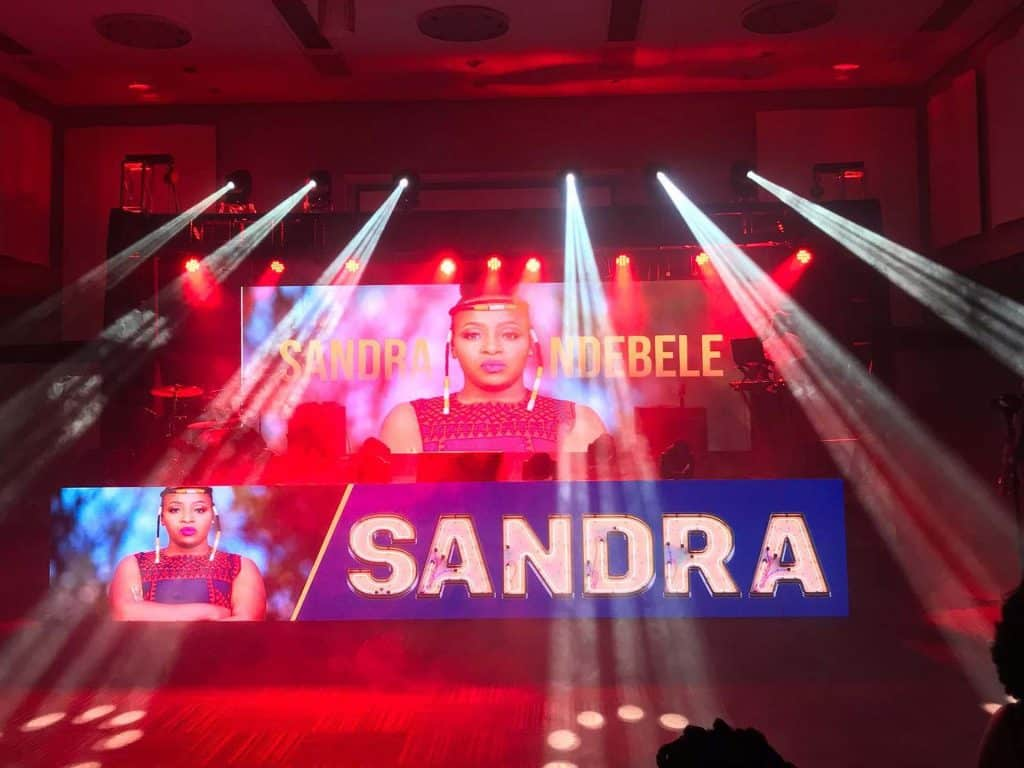 28
28
Plan camera-friendly rental LED displays around shots, content, processing, screen geometry, crew roles, test patterns, records, and venue workflow.
Read Article →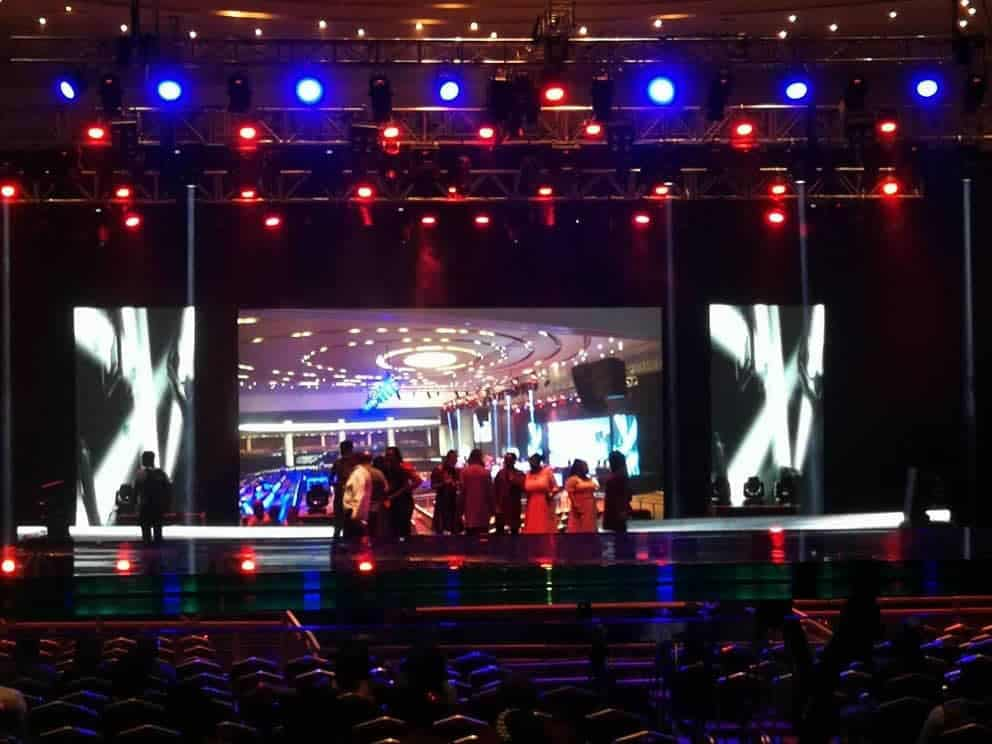 29
29
Create a stage rental LED display RFQ with venue drawings, screen geometry, rigging or support, crew workflow, cameras, controls, packing, and services.
Read Article →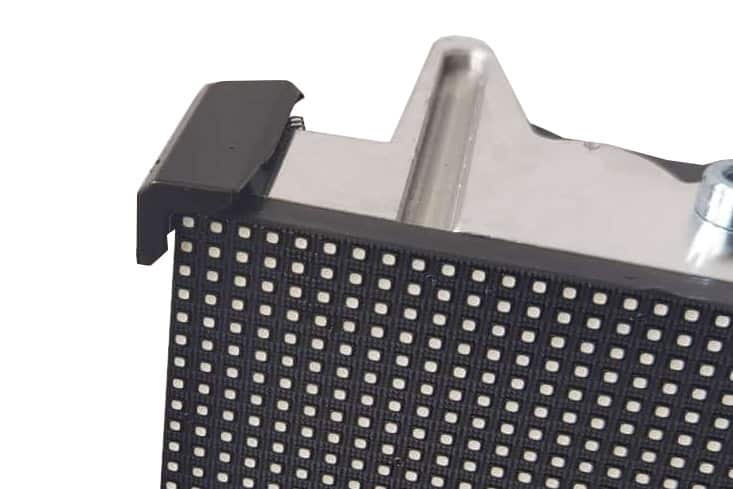 30
30
Plan rental LED screen packing and spare parts around case order, cabinet identification, transport handling, service records, storage, and project scope.
Read Article →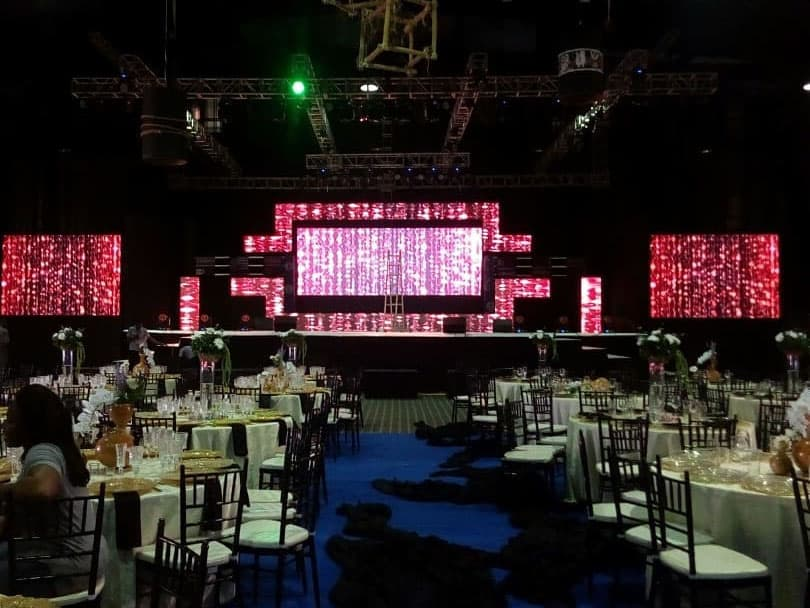 31
31
See how touring crews evaluate rental LED display systems for repeat builds, transport, cabinet workflow, service access, control, records, and handover.
Read Article →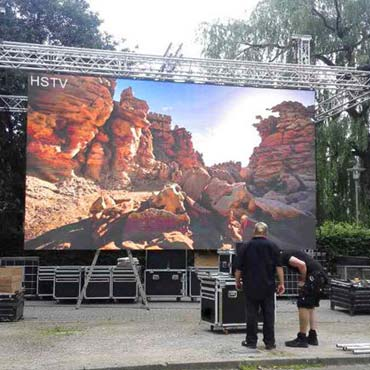 32
32
Compare ground-supported vs hanging rental LED screens by venue structure, rigging, footprint, crew workflow, access, packing, and quotation scope.
Read Article →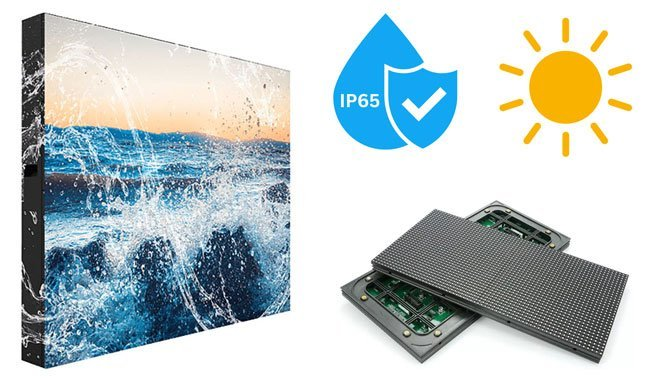 33
33
Build an outdoor LED display RFQ around site drawings, viewing, structure, access, controls, responsibilities, documents, and commercial scope.
Read Article →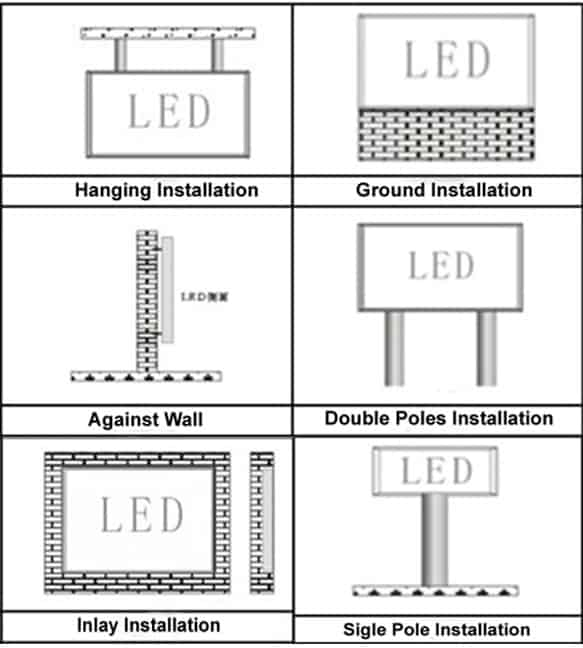 34
34
Understand outdoor LED display project cost factors, from site and structure to access, controls, services, documentation, and quotation scope.
Read Article →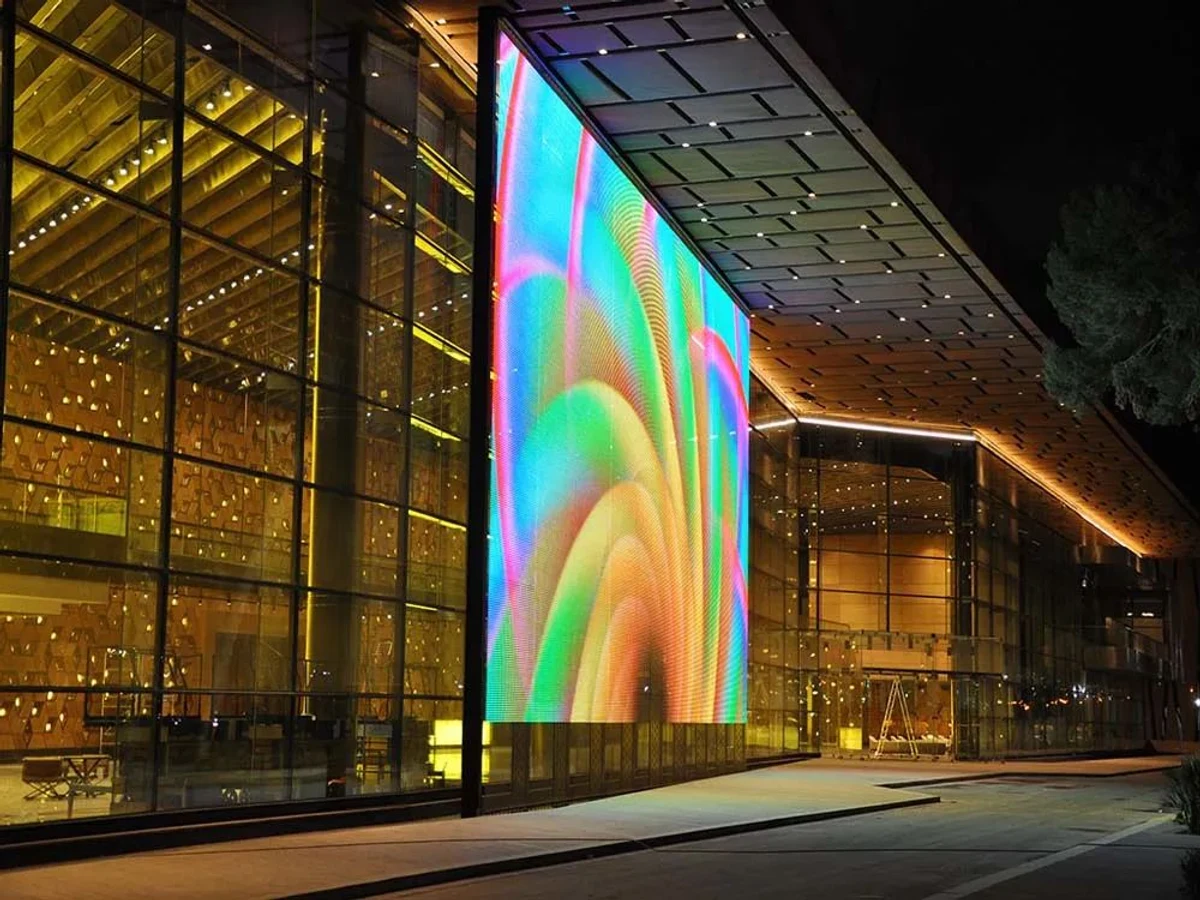 35
35
Compare an LED billboard vs building-facade display by site, structure, visibility, access, responsibilities, content, and quotation scope.
Read Article →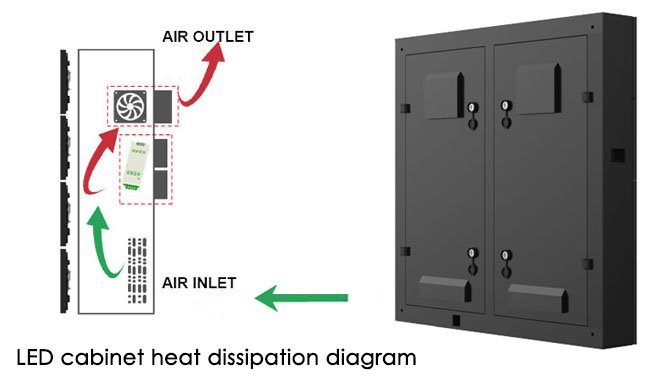 36
36
Plan maintenance access for an outdoor LED screen by defining service direction, working space, routes, responsibilities, records, and site constraints.
Read Article →37
Use this outdoor LED display site survey guide to document visibility, structure, access, power, control, scope, and quotation requirements.
Read Article →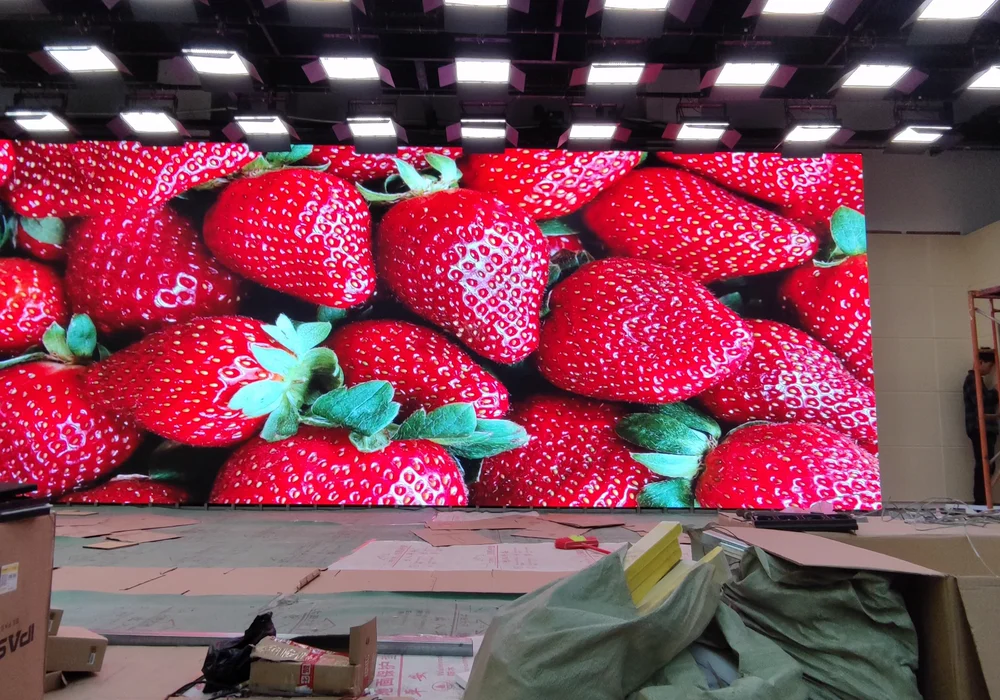 38
38
Use this indoor LED wall planning guide to build an RFQ covering site, content, service, scope, quality, commercial terms, and handover details.
Read Article →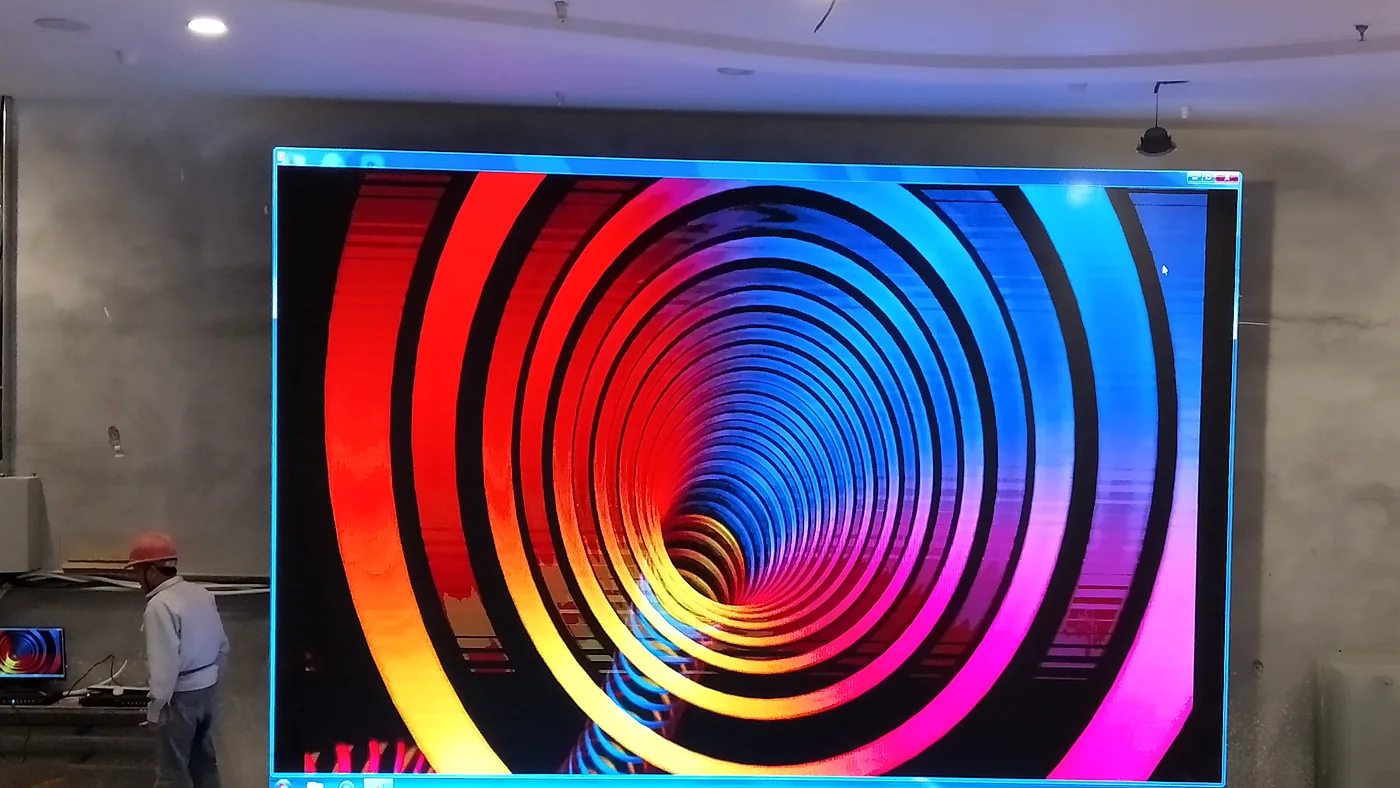 39
39
Plan an indoor LED wall installation with a practical checklist for drawings, access, structure, power, signal, content, responsibilities, and handover.
Read Article →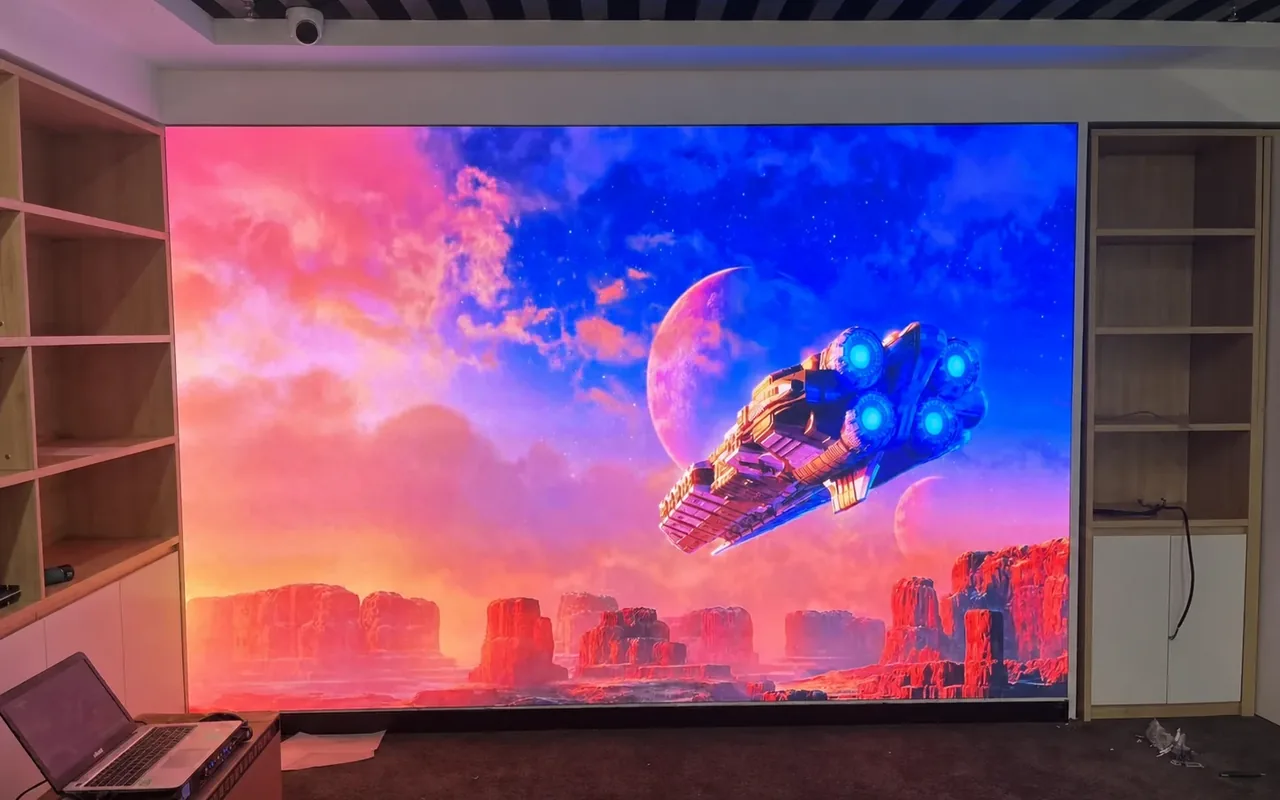 40
40
Compare front-service and rear-service indoor LED displays by access, wall depth, installation, maintenance workflow, scope, and project coordination.
Read Article →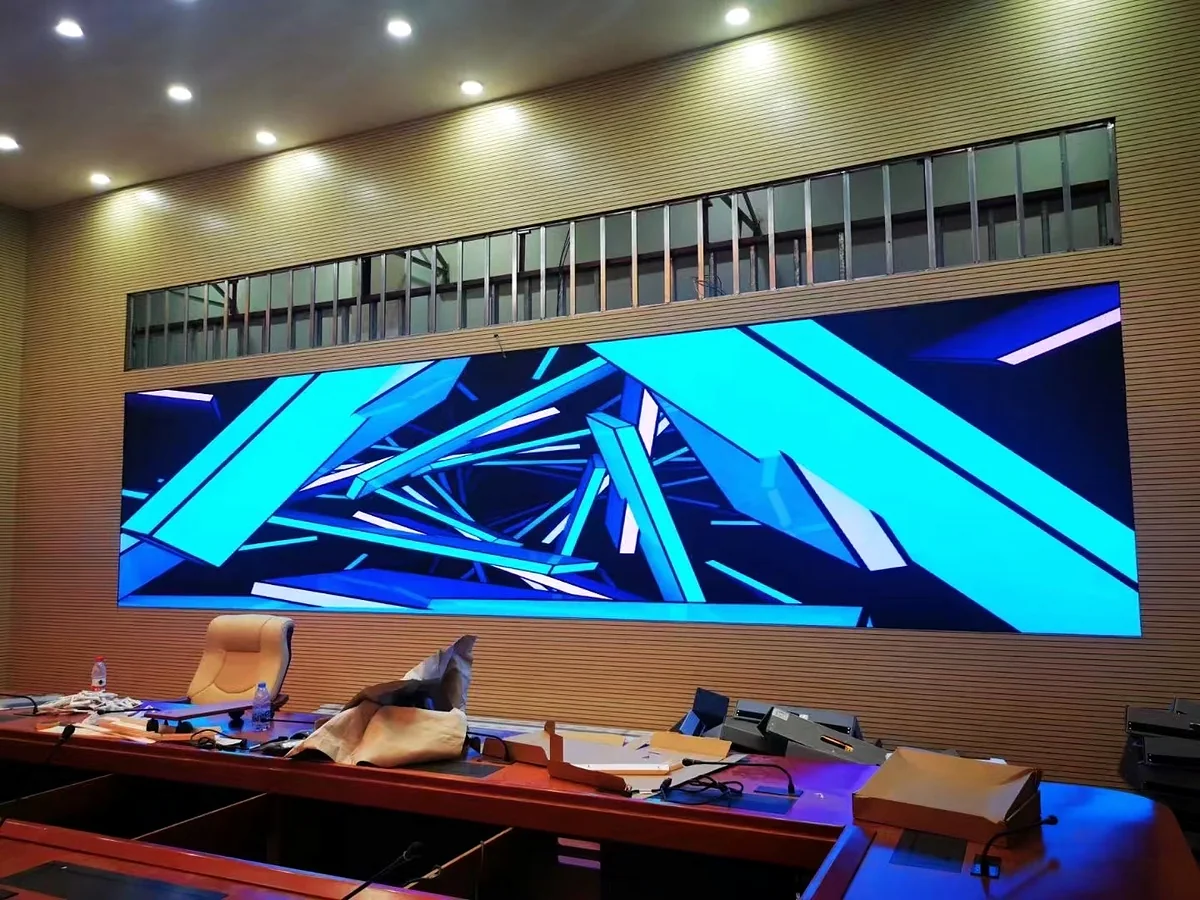 41
41
Compare fine-pitch LED video walls by viewing needs, content, system scope, installation, service access, quality review, and quotation clarity.
Read Article →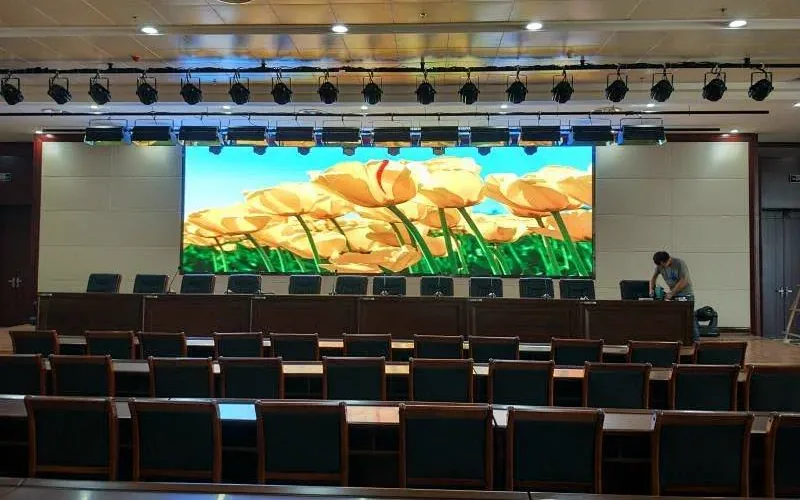 42
42
Plan an indoor LED display around viewing distance, room layout, content, access, and the project details needed for a practical supplier review.
Read Article →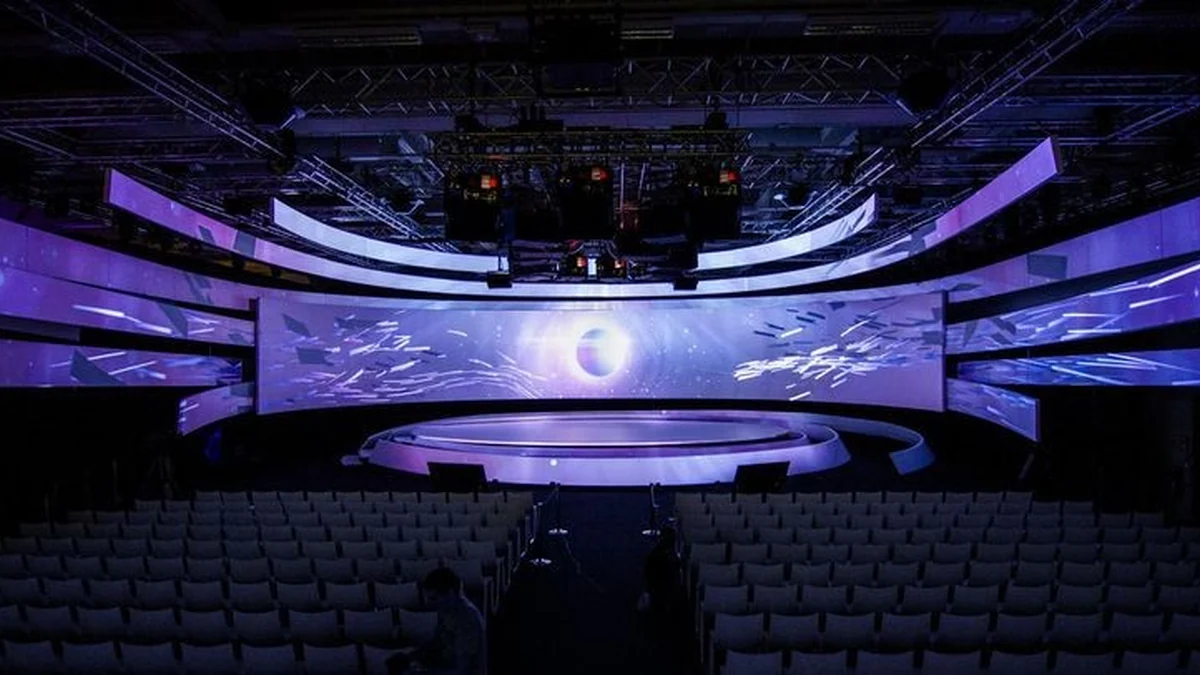 43
43
Use this rental LED display cabinet planning checklist to define venue, screen size, installation, controls, packing, spares and service requirements.
Read Article →BUYER RESOURCE PATHS
Connect the articles to product selection, application planning, manufacturing and quality-control decisions.
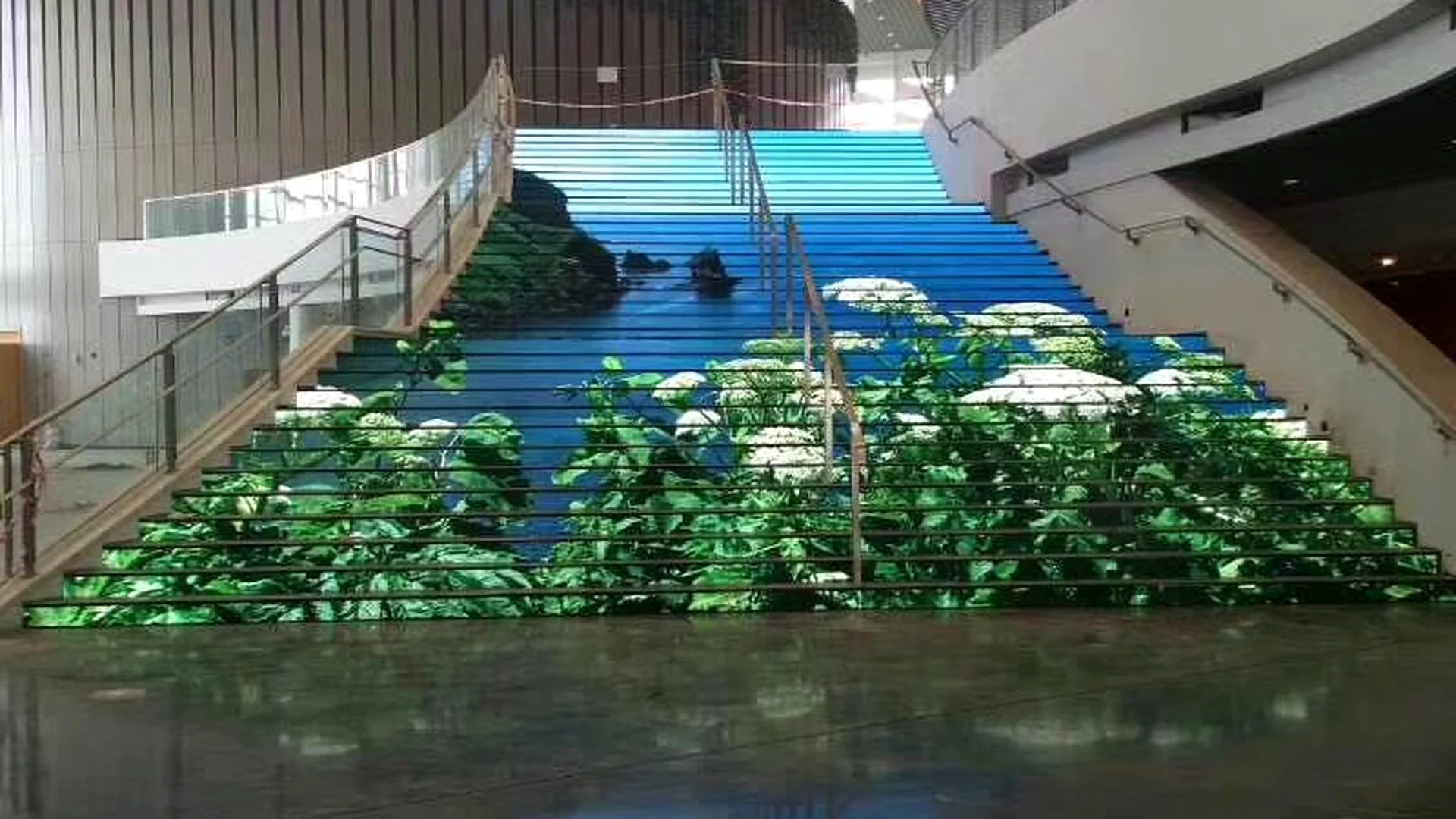 01 / PRODUCT SELECTIONCompare LED Display FormatsReview fixed, rental, floor, flexible, transparent and creative LED systems by project use.Browse all products →
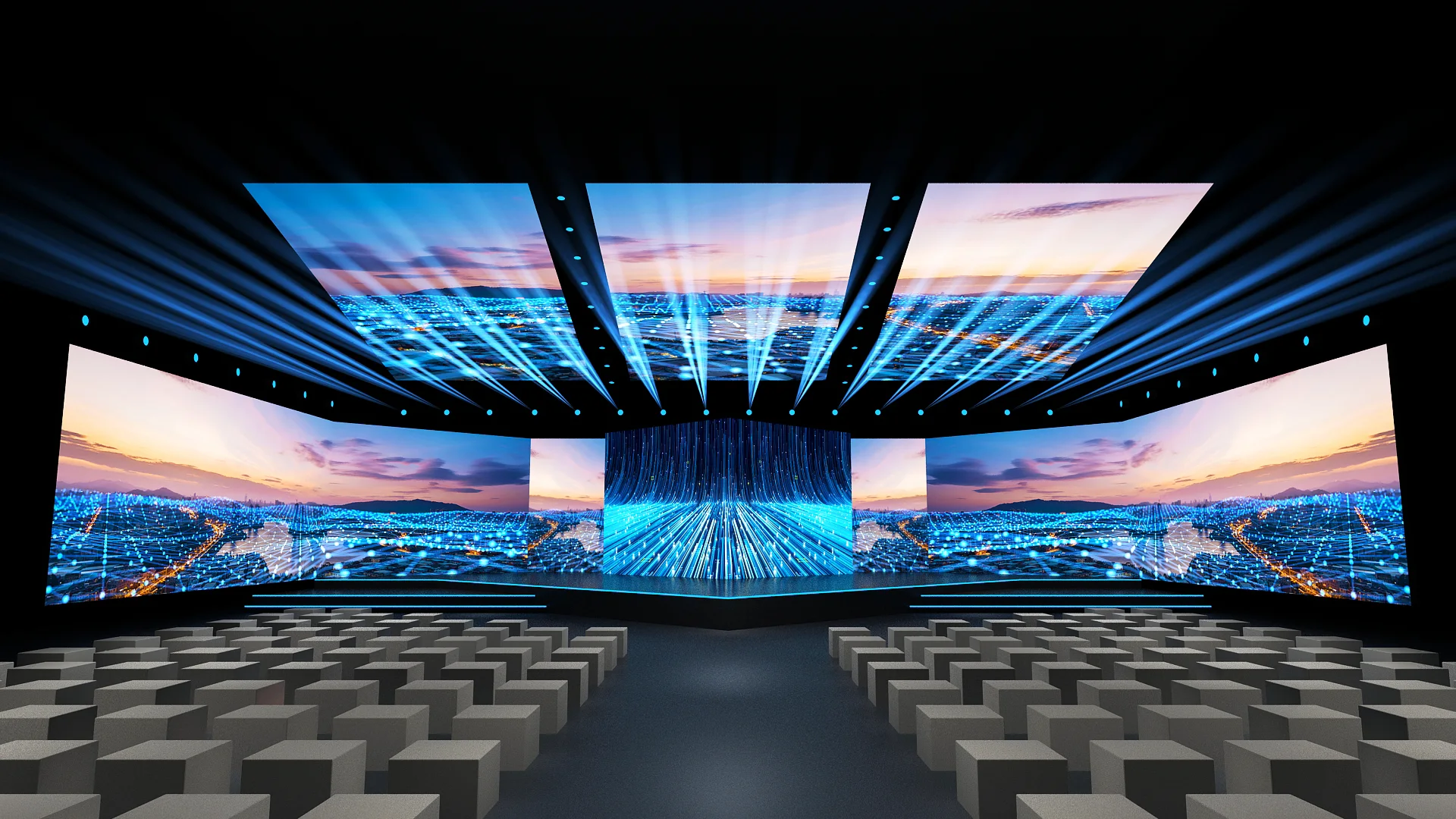 02 / APPLICATION PLANNINGStart With the Venue and AudienceMatch the display to viewing distance, ambient light, content, installation and service access.Explore market solutions →
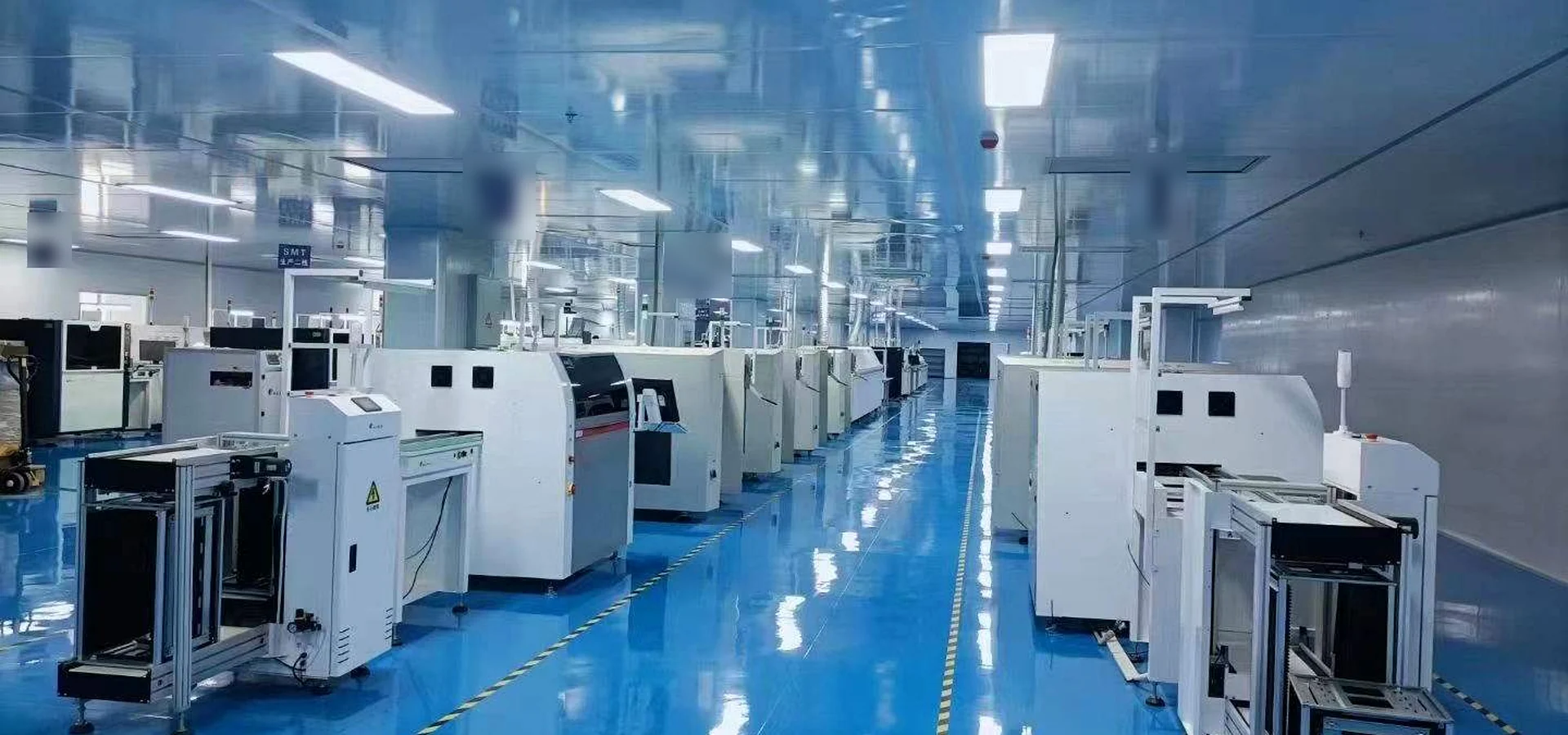 03 / MANUFACTURINGSee How the Display Is BuiltFollow module production, cabinet integration, system configuration, inspection and packing.Visit the factory page →
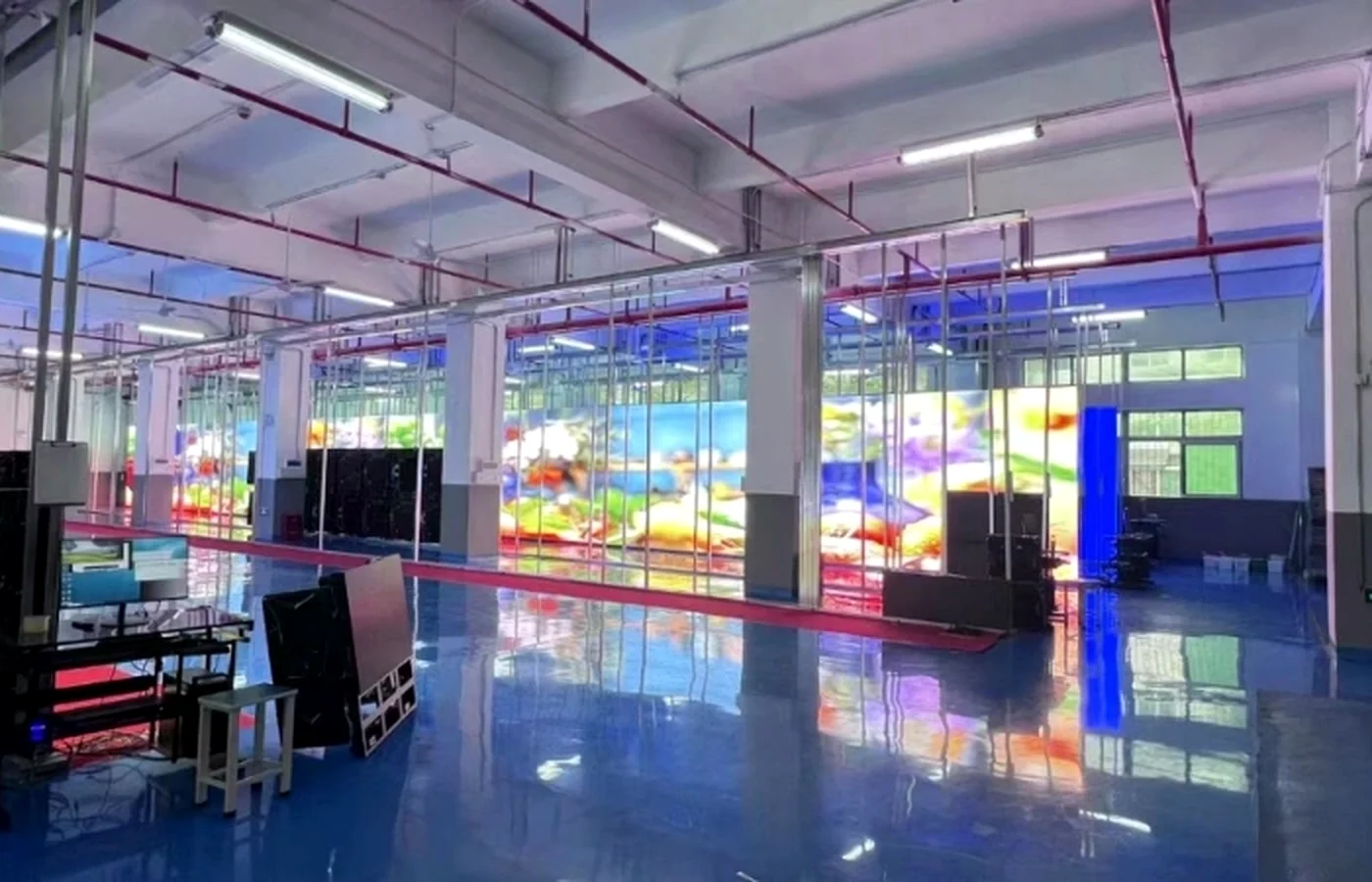 04 / QUALITY CONTROLUnderstand the Review PathSee how project requirements stay connected to production, aging, inspection and packing release.Review quality control →
Share the application, screen size, viewing distance, environment, installation method, destination and project timing. We will review the display format before recommending a configuration.